
The history of festivals dates back thousands of years and varies across different cultures and regions. Festivals have been an integral part of human civilization, serving various purposes and evolving over time. Here's a brief overview of festival history:
Ancient Festivals: Many ancient civilizations had festivals that were closely tied to their religious beliefs and agricultural practices. These festivals often celebrated deities, honored ancestors, marked the change of seasons, and sought blessings for a bountiful harvest. Examples include the Egyptian Festival of Osiris, the Greek Olympic Games, and the Roman Saturnalia.
Religious Festivals: As organized religions emerged, festivals became an essential part of religious practices. These festivals marked significant events in the religious calendar, such as the birth, death, or enlightenment of religious figures. They often involved rituals, processions, sacrifices, and communal gatherings. Examples include Easter in Christianity, Eid al-Fitr and Eid al-Adha in Islam, and Vesak in Buddhism.
Seasonal Festivals: In agrarian societies, festivals were closely connected to the cycles of nature and the changing seasons. These festivals celebrated the arrival of spring, summer solstice, autumn harvest, or winter solstice. They were often accompanied by rituals to ensure fertility, protect against evil spirits, and offer thanks for a successful harvest. The Celtic festival of Samhain, which later influenced Halloween, is an example of a seasonal festival.
Cultural Festivals: Festivals also emerged as a way to celebrate cultural heritage, traditions, and local customs. These festivals showcase music, dance, art, crafts, and culinary delights unique to a particular region or community. They promote cultural exchange, pride, and preserve cultural identity. Examples include the Chinese New Year, the Mardi Gras in New Orleans, and the Rio Carnival in Brazil.
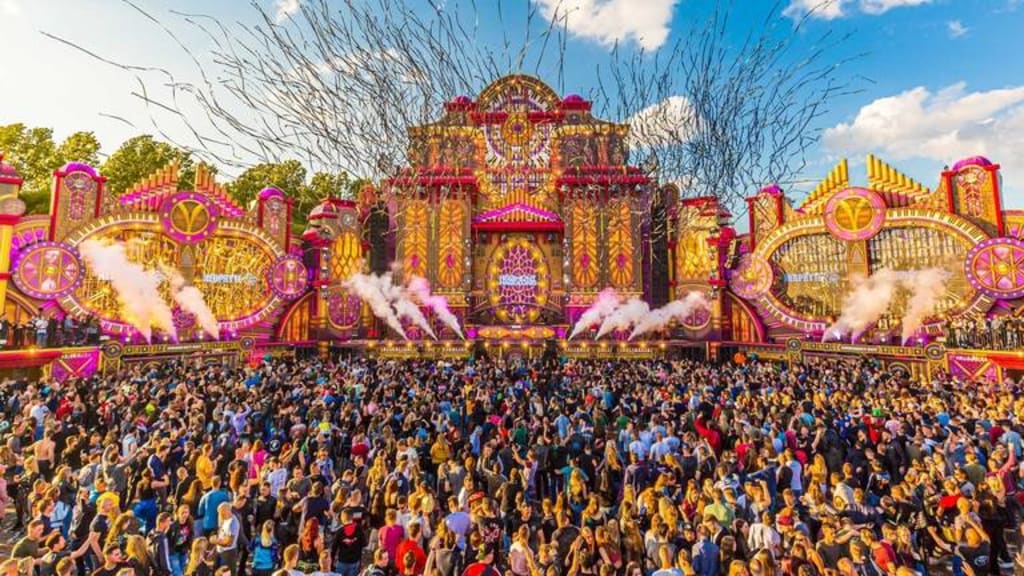
Modern Festivals: In the modern era, festivals have become increasingly diverse, embracing a wide range of themes and attracting global participation. Music festivals, film festivals, literary festivals, and food festivals have gained popularity worldwide, providing platforms for entertainment, artistic expression, and economic growth.
Today, festivals continue to play a vital role in bringing people together, fostering a sense of community, and promoting cultural exchange. They serve as an opportunity to celebrate traditions, express creativity, and create lasting memories. The history of festivals is a testament to the human need for celebration, connection, and the preservation of cultural heritage.
Festivals are special events or celebrations that are usually held annually and are often marked by a series of activities, performances, and traditions. Festivals are an important part of cultures worldwide and can be religious, cultural, or seasonal in nature. They bring people together to commemorate significant events, express joy and gratitude, and strengthen social bonds within a community. Here are some examples of festivals from different parts of the world:
Diwali (India): Also known as the Festival of Lights, Diwali is a Hindu festival celebrated in India and other countries. It symbolizes the victory of light over darkness and good over evil. During Diwali, people light oil lamps, burst firecrackers, exchange gifts, and enjoy festive meals.
Oktoberfest (Germany): Oktoberfest is an annual beer festival held in Munich, Germany. It typically takes place for 16-18 days from late September to the first weekend in October. Visitors can enjoy various German beers, traditional food, music, and participate in parades and amusement rides.
Carnival (Brazil): Carnival is a lively and colorful festival celebrated in Brazil, particularly in Rio de Janeiro. It usually takes place in February and involves vibrant parades, elaborate costumes, samba dancing, and street parties. Carnival is known for its energetic atmosphere and is considered one of the world's largest festivals.
Holi (India): Holi, also known as the Festival of Colors, is a Hindu spring festival celebrated in India and Nepal. Participants throw colored powders and water at each other, symbolizing the arrival of spring and the victory of good over evil. Holi is a joyful celebration of love, unity, and forgiveness.
Christmas (Worldwide): Christmas is an annual Christian festival celebrated on December 25th. It commemorates the birth of Jesus Christ and is observed by Christians worldwide. Christmas traditions include decorating Christmas trees, exchanging gifts, attending church services, and enjoying festive meals with family and friends.
Hanami (Japan): Hanami is the Japanese tradition of enjoying the beauty of cherry blossoms (sakura). During spring, people gather in parks and gardens to have picnics, drink sake, and appreciate the blooming cherry blossoms. Hanami is a time of reflection, appreciation for nature, and renewal.
These are just a few examples of the countless festivals celebrated worldwide. Each festival has its unique customs, significance, and regional variations, making them a fascinating part of cultural heritage and a great opportunity for people to come together and celebrate.
About the Creator
Romana Vrolijk
i love to read and ride storry’s
Keep reading
More stories from writers in History and other communities.
Saudi Arabia Warns Against War
Saudi Arabia Warns Against War: Why Riyadh Opposes a U.S. Attack on Iran As tensions between the United States and Iran continue to rise, Saudi Arabia has taken a notable and cautious position: warning against any U.S. military attack on Iran. This stance may surprise some observers given the long history of rivalry between Riyadh and Tehran, but it reflects a broader regional concern that another major war in the Middle East could spiral beyond control.
By Wings of Time 4 days ago in History
Napoleon Bonaparte — From Corsican Outsider to Emperor of Europe
Napoleon Bonaparte was born on August 15, 1769, on the Mediterranean island of Corsica, a land that had only recently come under French control. His family was of modest noble status, and young Napoleon grew up feeling like an outsider—Corsican by culture, yet educated as a Frenchman. This sense of being different shaped his fierce ambition and iron will. From an early age, he showed a sharp mind, a deep love for history, and an unusual talent for mathematics, which later proved essential in warfare.
By The best writer 6 days ago in History
How to Succeed at the Benson Directory®
Congratulations and welcome to the Benson Directory® employee #22391! As our newest call handler, you will have the privilege of speaking with dozens of unique and interesting people on a daily basis as well as the opportunity to earn bonuses for high performance. Contained within this handbook you will find a set of ease to follow instructions designed to help you settle in to your new role and begin paving the way to success.
By S. A. Crawford3 days ago in Fiction
The Devil's Cut
“Comrade, finally you’re awake.” The voice was smooth, sensual. A flickering incandescent bar was all that lit the white, sterile room. All Vladimir remembered was everything going black. He tried to move his arms and found them strapped to the gurney.
By Matthew J. Fromm6 days ago in Fiction




Comments
There are no comments for this story
Be the first to respond and start the conversation.