
Exploring Japanese Culture: A Deep Dive into Tradition and Modernity
Tradition

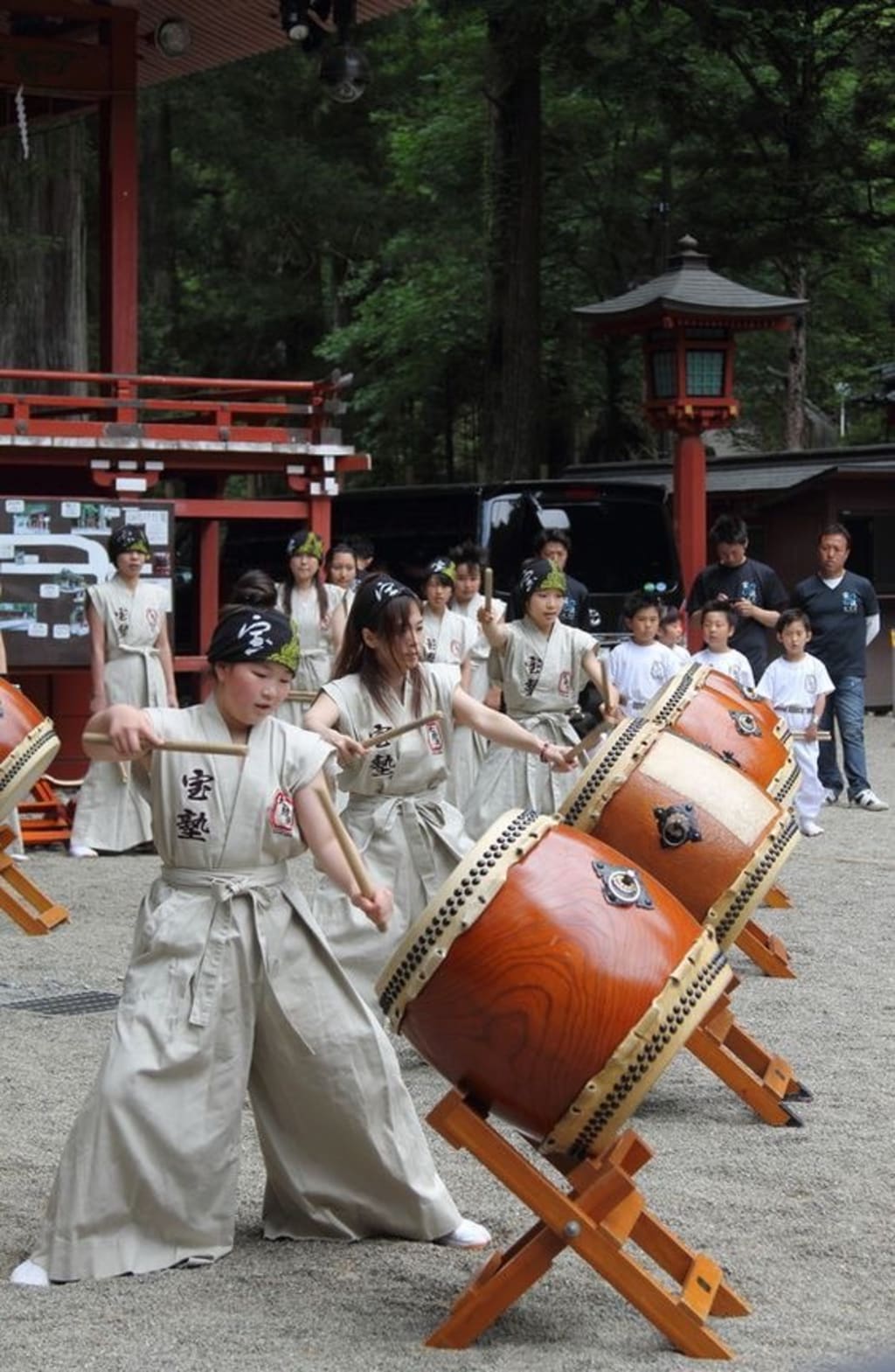
Japan, an island nation with a rich history, has one of the most fascinating cultures in the world. Its culture is an intricate blend of ancient traditions and modern innovations, rooted in centuries-old practices yet constantly evolving in response to global trends. From the serene beauty of tea ceremonies to the bustling energy of Tokyo’s skyscrapers, Japanese culture offers a unique and multi-dimensional perspective on life, art, and society. In this article, we will explore the key elements of Japanese culture, including its traditions, art, cuisine, and the influence of modernization.
1. Respect and Etiquette: The Cornerstones of Social Interactions
At the heart of Japanese culture lies the importance of respect and etiquette. These values shape everyday life and interactions between individuals. Japan is known for its deep sense of hierarchy, politeness, and deference to others. Social harmony, or wa, is a central concept, and maintaining peace in relationships is prioritized over individual assertiveness.
• Respect for Elders: In Japan, there is a deep respect for the elderly, reflected in language, behavior, and societal expectations. Terms of address, such as san (Mr./Ms.), indicate politeness and reverence.
• Group Harmony: Japanese society values group cohesion over individualism, with a focus on working together for the collective good. This can be seen in everything from school life to office dynamics.
• Forms of Politeness: The language itself reflects respect, with multiple levels of formality. The use of keigo (polite speech) is important, especially in professional and formal settings.
2. Traditional Arts and Crafts
Japan boasts a wide range of traditional arts and crafts that have been passed down through generations. These practices often focus on the beauty of imperfection, subtlety, and the appreciation of nature, aligning with the Zen Buddhist philosophy that deeply influenced Japanese culture.
• Tea Ceremony (chanoyu): The Japanese tea ceremony is one of the most refined expressions of Japanese culture. Rooted in Zen Buddhism, it involves the ritualized preparation and consumption of matcha (green tea), emphasizing mindfulness, respect, and aesthetics.
• Ikebana (Flower Arranging): This art form is a reflection of the Japanese focus on simplicity and balance. Ikebana arrangements often incorporate natural elements in a way that highlights their individual beauty and harmony.
• Calligraphy (shodo): The art of Japanese calligraphy is a graceful expression of writing. With brush and ink, characters are painted onto paper, and each stroke is meant to reflect the writer’s emotional state, skill, and attention to detail.
• Origami (Paper Folding): The craft of folding paper into intricate designs, from cranes to flowers, is a traditional Japanese art that represents patience, precision, and creativity.
3. Shintoism and Buddhism: Spiritual Foundations
Spirituality plays an integral role in Japanese culture, with two primary religions—Shintoism and Buddhism—shaping many customs and festivals.
• Shintoism: The indigenous religion of Japan, Shintoism focuses on the worship of kami (spirits), which inhabit nature, such as trees, mountains, rivers, and animals. Many Japanese shrines, like the famous Meiji Shrine in Tokyo, are dedicated to kami, and festivals (matsuri) often celebrate these spirits.
• Buddhism: Introduced to Japan from China and Korea, Buddhism, particularly Zen Buddhism, has had a profound impact on Japanese aesthetics and culture. Its teachings of mindfulness, impermanence, and simplicity influenced everything from architecture to tea ceremonies.
The blend of Shintoism and Buddhism has created a culture deeply connected to nature, the seasons, and spiritual rituals, with Japanese festivals such as Obon (a time to honor ancestors) and Hanami (the cherry blossom viewing festival) reflecting this sacred connection.
4. Japanese Cuisine: A Harmonious Blend of Taste and Aesthetics
Japanese cuisine is renowned for its delicate flavors, seasonality, and aesthetic presentation. It emphasizes fresh ingredients, simplicity, and balance, where the beauty of the meal is as important as its taste.
• Sushi and Sashimi: Perhaps the most well-known Japanese food globally, sushi and sashimi highlight the freshness and quality of raw fish. The delicate balance of vinegared rice, fish, and sometimes vegetables is a masterpiece of flavor and texture.
• Ramen: A noodle soup that has become a global favorite, ramen varies by region, with different broths (soy, miso, tonkotsu) and toppings such as pork, egg, and green onions.
• Tempura: Lightly battered and fried seafood or vegetables, tempura is a beloved dish that showcases the Japanese art of frying—crispy on the outside, tender on the inside.
• Kaiseki: A traditional multi-course meal that emphasizes seasonal ingredients and artistic presentation, kaiseki reflects the zen philosophy of balance, where every dish is meant to be savored and appreciated.
Japan also has a rich array of sweets, including mochi (sweet rice cakes) and wagashi (traditional Japanese sweets), which are often enjoyed during tea ceremonies.
5. Architecture: Traditional and Modern Designs
Japanese architecture is another reflection of the culture’s emphasis on simplicity, nature, and harmony. Whether traditional or modern, Japanese buildings are often designed to blend seamlessly with their environment.
• Traditional Architecture: Traditional Japanese homes, or minka, feature sliding doors (fusuma) and tatami mats, creating adaptable spaces that can easily transform. The focus on wood, sliding partitions, and courtyards ensures that the outdoors are always visible and part of the living experience.
• Temples and Shrines: Buddhist temples and Shinto shrines are often built with natural materials such as wood and stone, and their gardens are meticulously designed to create a peaceful, meditative atmosphere.
• Modern Architecture: Japan is home to cutting-edge architectural designs. Famous architects like Tadao Ando and Kengo Kuma are known for blending traditional Japanese elements, such as natural light and wood, with modern, minimalist designs. The balance between tradition and innovation is central to Japanese architecture.
6. Festivals and Celebrations
Festivals in Japan are celebrated with great enthusiasm, blending spirituality, history, and seasonal customs. Some of the most iconic festivals include:
• Cherry Blossom Festival (Hanami): Every spring, the sight of cherry blossoms in full bloom draws crowds to parks and gardens. Hanami, the tradition of enjoying these fleeting blossoms, represents the beauty of life’s impermanence.
• Obon Festival: This summer festival honors deceased ancestors. Families gather, visit graves, and perform traditional dances known as bon-odori to welcome the spirits of their ancestors back.
• Tanabata: Celebrated in July, Tanabata is based on a Chinese legend about two star-crossed lovers. The festival involves writing wishes on strips of paper and hanging them on bamboo trees, hoping for the fulfillment of dreams.
7. Technology and Innovation: Japan in the Modern World
While steeped in tradition, Japan is also a global leader in technology and innovation. The country is known for its advancements in robotics, electronics, automotive manufacturing, and gaming. Companies like Sony, Toyota, and Nintendo have shaped global industries, blending cutting-edge technology with traditional Japanese attention to detail.
• Anime and Manga: Japan’s animation and comic culture, represented by anime and manga, has had a massive impact worldwide. Characters like Naruto, Sailor Moon, and Dragon Ball have crossed cultural boundaries, making Japanese pop culture a global phenomenon.
• Robotics and Technology: Japan has pioneered the development of robotics, with companies creating robots that assist in industries ranging from healthcare to entertainment. Japan’s dedication to both innovation and aesthetics is evident in everything from tech gadgets to futuristic architecture.
Conclusion
Japanese culture is a captivating fusion of tradition, spirituality, art, and technological innovation. Rooted in respect, harmony, and mindfulness, Japan has crafted a society where ancient practices coexist with futuristic advancements. From its food to its festivals, its art to its architecture, Japan offers a profound understanding of beauty, simplicity, and balance. By embracing both the past and the present, Japan continues to inspire the world with its unique cultural identity.
About the Creator
Keep reading
More stories from Matilda Otu and writers in History and other communities.
The Origins of Lingerie: A Journey Through History
Lingerie, as we know it today, is a complex blend of fashion, comfort, and sensuality. However, the history of lingerie spans centuries, evolving from practical undergarments to intricate pieces of art and self-expression. The development of lingerie is tied closely to societal shifts in gender, fashion, and even technological advancements. From ancient civilizations to the modern-day, the evolution of lingerie reflects changes in both social norms and personal identity.
By Matilda Otuabout a year ago in History
The Year 1995 in Review: Fun Facts, Trivia, and Historic Highlights
This quick read is a collection of fun facts, trivia, and historic events from the year 1995. Discover the year’s top news stories, most influential people, sports trivia, retail prices, Internet news, and much more.
By Gregory DeVictor6 days ago in History




Comments
There are no comments for this story
Be the first to respond and start the conversation.