
Eiffel Tower: France’s Icon of Innovation
A towering symbol of French pride, history, art, and engineering.
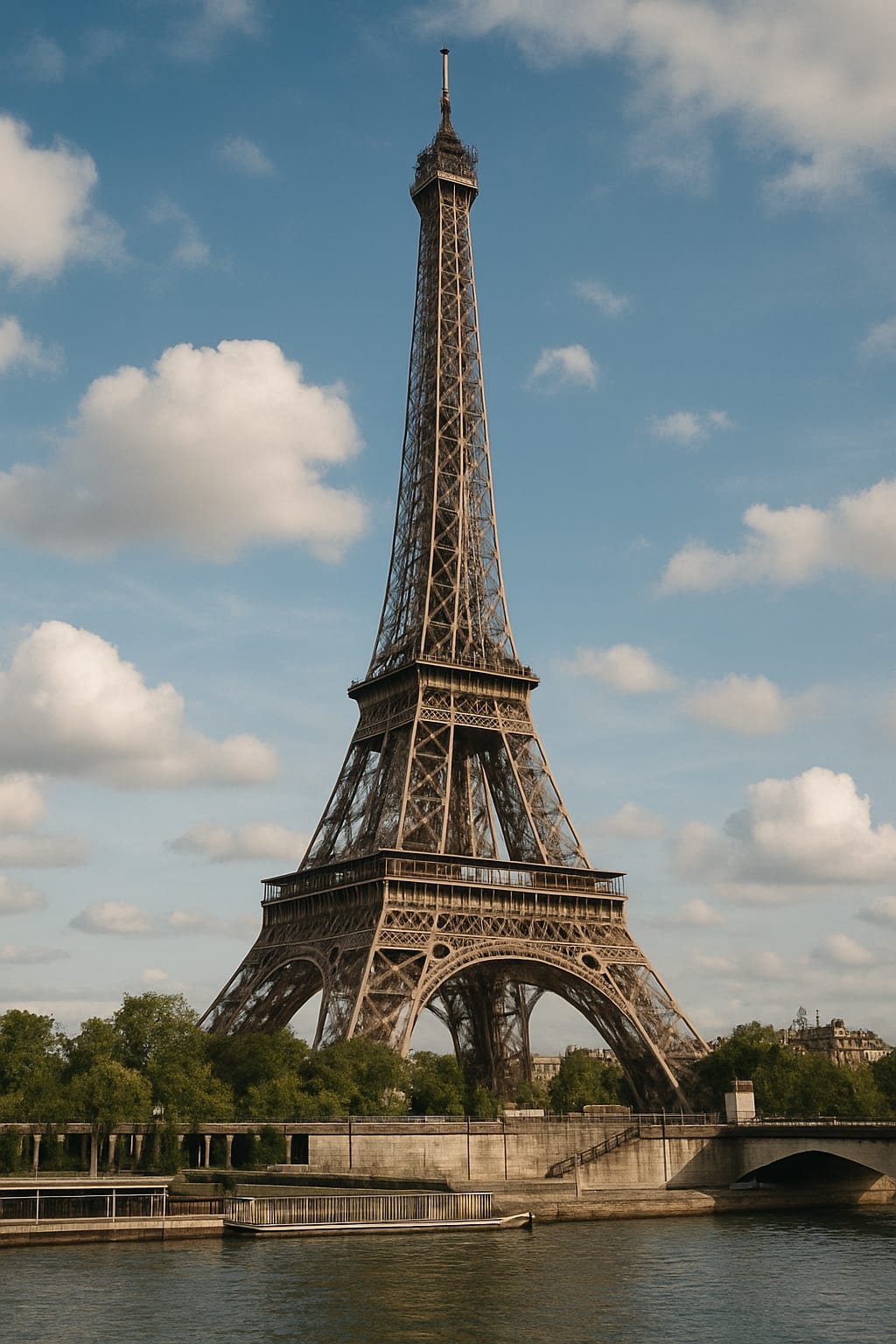
The Eiffel Tower: A Symbol of French Innovation and Identity
The Eiffel Tower, or La Tour Eiffel, is one of the most iconic landmarks not only in France but across the world. Rising 300 meters into the Parisian skyline, this iron marvel symbolizes the industrial might, artistic ambition, and cultural pride of France. Constructed for the 1889 Exposition Universelle (World’s Fair) to commemorate the centennial of the French Revolution, the Eiffel Tower has a rich and layered history that continues to captivate millions.
Origins and Conception
In the late 19th century, France was undergoing a period of industrial advancement and national pride. To celebrate 100 years since the French Revolution, the government organized the 1889 World’s Fair in Paris. As part of the event, a competition was held to design a monumental structure that would symbolize the spirit of modern engineering. The winning design came from Gustave Eiffel’s engineering firm, headed by Maurice Koechlin and Émile Nouguier.
Gustave Eiffel, although initially skeptical, eventually backed the project. His name would become forever associated with the tower, even though he wasn’t its original designer. The structure was to be built on the Champ de Mars, near the Seine River—a location that offered visibility and grandeur.
Construction and Engineering Feats
The Eiffel Tower’s construction began in January 1887 and was completed in March 1889, taking just over two years. It was a feat of engineering brilliance, especially at a time when iron was not widely used in such large-scale architectural works. Comprising over 18,000 iron parts and held together by more than 2.5 million rivets, the tower showcased the strength and flexibility of wrought iron.
At its inauguration, the Eiffel Tower was the tallest man-made structure in the world, standing at 300 meters (984 feet), and remained so until the completion of the Chrysler Building in New York in 1930. This monumental height was a bold statement of French technical prowess and modernism.
Public Reception and Criticism
Despite its engineering brilliance, the Eiffel Tower was initially met with strong criticism from many of France’s leading artists and intellectuals. A group of prominent Parisians signed a petition calling it an "eyesore" and a "monstrous" addition to the city’s classical architecture. Notable critics included novelist Guy de Maupassant and composer Charles Gounod.
However, Eiffel defended his tower as a symbol of progress, and with time, public opinion began to shift. Its unique design and panoramic views won over the hearts of locals and visitors alike. Today, what was once ridiculed is now cherished as a national treasure.
Role in French History
Beyond its architectural significance, the Eiffel Tower has played key roles in French history. During World War I, it was used for military radio transmissions that helped the French army in crucial operations. In World War II, when Hitler visited Paris, the French famously cut the elevator cables, forcing the Nazi leader to climb the stairs if he wished to reach the top—an act of symbolic resistance.
The tower also survived wartime bombings and has endured through decades of political and social change. It stands not only as a symbol of France’s technological innovation but also as a silent witness to its turbulent 20th-century history.
Cultural Impact and Tourism
Over the years, the Eiffel Tower has become synonymous with French identity and romance. It has been featured in countless films, books, and artworks, often symbolizing love, beauty, and freedom. With more than 7 million visitors annually, it is one of the most visited monuments in the world.
The tower has also evolved with time. It has been painted over 19 times since its construction, hosts light shows and exhibitions, and even adapts to modern needs by incorporating sustainable technologies like wind turbines and solar panels.
Legacy
Today, the Eiffel Tower is more than a landmark—it is a symbol. It represents the ingenuity of 19th-century engineering, the spirit of innovation, and the pride of a nation. Its silhouette against the Parisian sky remains etched in the memory of those who visit or admire it from afar.
In essence, the Eiffel Tower tells the story of a France that dared to innovate, challenged the norms, and ultimately created something that stood the test of time. It is a beacon of artistic and historical legacy—towering, timeless, and truly French.
About the Creator
Keep reading
More stories from Mukhtiar Ahmad and writers in History and other communities.
Enduring Legacy of the Great Wall
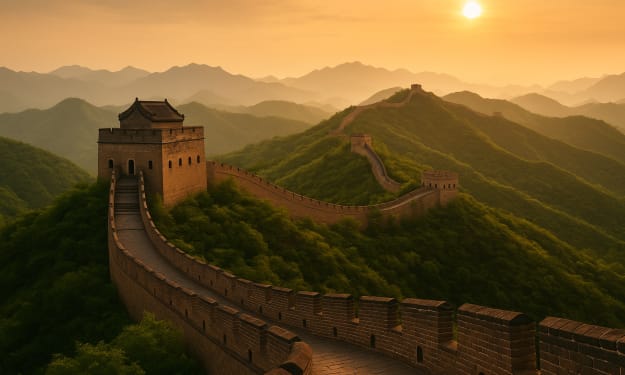
The Great Wall of China: A Monument of Endurance and Empire The Great Wall of China, one of the most iconic landmarks in the world, winds across northern China like a stone dragon, stretching over 13,000 miles. The image you see—a majestic section of the Wall snaking over green hills beneath a golden sky—represents not just architectural achievement, but a profound testament to China's ancient civilizations, military strategy, cultural identity, and resilience.
By Mukhtiar Ahmad10 months ago in History
The Year 1965 in Review: Fun Facts, Trivia, and Historic Highlights
This quick read is a collection of fun facts, trivia, and historical events from the year 1965. Discover the year’s top news stories, most influential people, sports facts, historic firsts, entertainment trivia, and much more.
By Gregory DeVictor7 days ago in History


Comments (1)
Thanks for this historical presentation