
Egyptian Obelisks: Monuments of Ancient Precision and Power
History

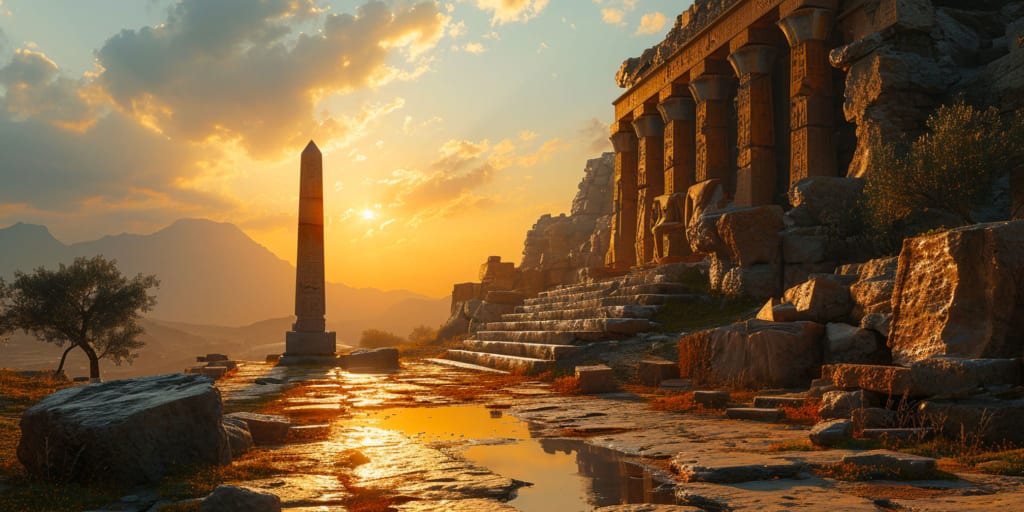
Egyptian obelisks are towering stone monuments that epitomize the architectural and engineering prowess of ancient Egypt. These structures, often inscribed with hieroglyphs, were erected to honor the gods and commemorate the achievements of pharaohs. This article explores the origins, design, construction, cultural significance, and enduring legacy of Egyptian obelisks.
Origins and Historical Context
The tradition of erecting obelisks began in the Old Kingdom of Egypt, around 2600 BCE, with their popularity peaking during the New Kingdom (1550-1070 BCE). Obelisks were typically erected at the entrances of temples, especially those dedicated to the sun god Ra. They were symbols of the sun's rays and were believed to connect the terrestrial and the divine.
Pharaohs commissioned these monolithic structures as demonstrations of their power and piety. The most famous obelisks were erected during the reigns of pharaohs such as Thutmose III, Hatshepsut, and Ramses II.
Architectural Design and Construction
Egyptian obelisks are marvels of ancient engineering, characterized by their unique design and the sophisticated techniques used in their construction:
- Design and Proportions: Obelisks are four-sided, tapering monuments with a pyramidal top called a pyramidion. They are usually made from a single piece of stone, most commonly red granite from the quarries of Aswan. The height of obelisks varied, with some reaching up to 30 meters (98 feet).
- Hieroglyphic Inscriptions: The sides of obelisks were often inscribed with hieroglyphs that recorded the achievements and divine lineage of the pharaoh who commissioned them. These inscriptions also included dedications to the gods, particularly Ra.
- Construction Techniques: The construction of obelisks involved several complex stages:
- Quarrying: Massive blocks of granite were meticulously cut from quarries using tools made of copper and later iron. The process required precise planning and immense labor.
- Transport: Transporting these massive stones from the quarries to their final locations involved intricate logistics, including the use of sledges and barges along the Nile River.
- Erection: Raising the obelisks into an upright position was perhaps the most challenging part. It is believed that ramps, levers, and counterweights were used in this process. Special pits were dug, and the base of the obelisk was carefully maneuvered into place before being gradually raised.
Cultural and Religious Significance
Obelisks held deep cultural and religious significance in ancient Egypt:
- Solar Symbolism: Obelisks were closely associated with the sun god Ra. Their shape and placement were intended to represent the sun's rays and the connection between the earth and the heavens.
- Pharaonic Power: Erecting an obelisk was a demonstration of a pharaoh's strength, wealth, and divine favor. The inscriptions served to immortalize their achievements and reinforce their divine right to rule.
- Temple Complexes: Obelisks often flanked the entrances of temples, serving as guardians of sacred spaces. They were integral to the religious architecture of Egypt and played a role in various temple rituals and ceremonies.
Notable Examples of Egyptian Obelisks
Several Egyptian obelisks stand out for their historical and architectural significance:
- The Obelisk of Thutmose III: Located at the Karnak Temple, this obelisk is one of the tallest standing obelisks in Egypt, measuring about 21.2 meters (69.5 feet) high.
- The Obelisk of Hatshepsut: Also at Karnak, this obelisk was commissioned by Queen Hatshepsut and stands approximately 29.5 meters (97 feet) tall. It is notable for its height and the detailed inscriptions that adorn its surface.
- The Lateran Obelisk: Originally erected in Karnak and later transported to Rome by Emperor Constantius II, this obelisk is the tallest ancient obelisk still in existence, standing at 32.18 meters (105.6 feet).
Legacy and Influence
The legacy of Egyptian obelisks extends far beyond the borders of ancient Egypt:
- Global Influence: Several Egyptian obelisks were transported to different parts of the world during the Roman Empire and later periods. Notable examples include the obelisks in Paris (Place de la Concorde), London (Cleopatra's Needle), and New York City (Central Park).
- Architectural Inspiration: The design and symbolism of obelisks have influenced various cultures and architectural styles. Modern monuments, such as the Washington Monument in the United States, draw direct inspiration from these ancient structures.
- Cultural Heritage: Obelisks remain a powerful symbol of ancient Egypt's architectural genius and religious fervor. They attract scholars, tourists, and enthusiasts who seek to understand and appreciate Egypt's rich historical legacy.
Conclusion
Egyptian obelisks are monumental achievements that encapsulate the architectural innovation, religious devotion, and political power of ancient Egypt. From their intricate construction to their profound cultural significance, these towering structures continue to captivate and inspire. As enduring symbols of an ancient civilization's grandeur, Egyptian obelisks stand as timeless testaments to humanity's quest to reach the heavens and immortalize its legacy on earth.
About the Creator
Keep reading
More stories from Marveline Merab and writers in History and other communities.
Babylonian Ishtar Gate: A Monument of Ancient Mesopotamian Splendor
The Ishtar Gate, one of the most magnificent structures from ancient Babylon, stands as a testament to the grandeur and architectural sophistication of the Neo-Babylonian Empire. Constructed under the reign of King Nebuchadnezzar II in the 6th century BCE, this imposing gateway was not only a marvel of engineering but also a symbol of Babylonian power and religious devotion. This article explores the origins, design, cultural significance, and lasting legacy of the Babylonian Ishtar Gate.
By Marveline Merab2 years ago in History
THE GRAND EGYPTHION MUSEUM
Let’s be real for a second. When folks hear "museum," they often think of dusty halls, dry information, and that odd quiet where you feel like you're misbehaving just for breathing. But the Grand Egyptian Museum isn't like that. I really don't think that's it. It's not accurate at all. This just seems wrong. This place is really nice. Egypt really shows us that it made history, and it keeps on doing amazing things.
By Beshoy Zayerabout 9 hours ago in History


Comments
There are no comments for this story
Be the first to respond and start the conversation.