
Edith Kermit Roosevelt: A First Lady's Legacy
Edith Kermit Roosevelt: Transforming the Role of America’s First Lady with Poise, Intelligence, and Vision.

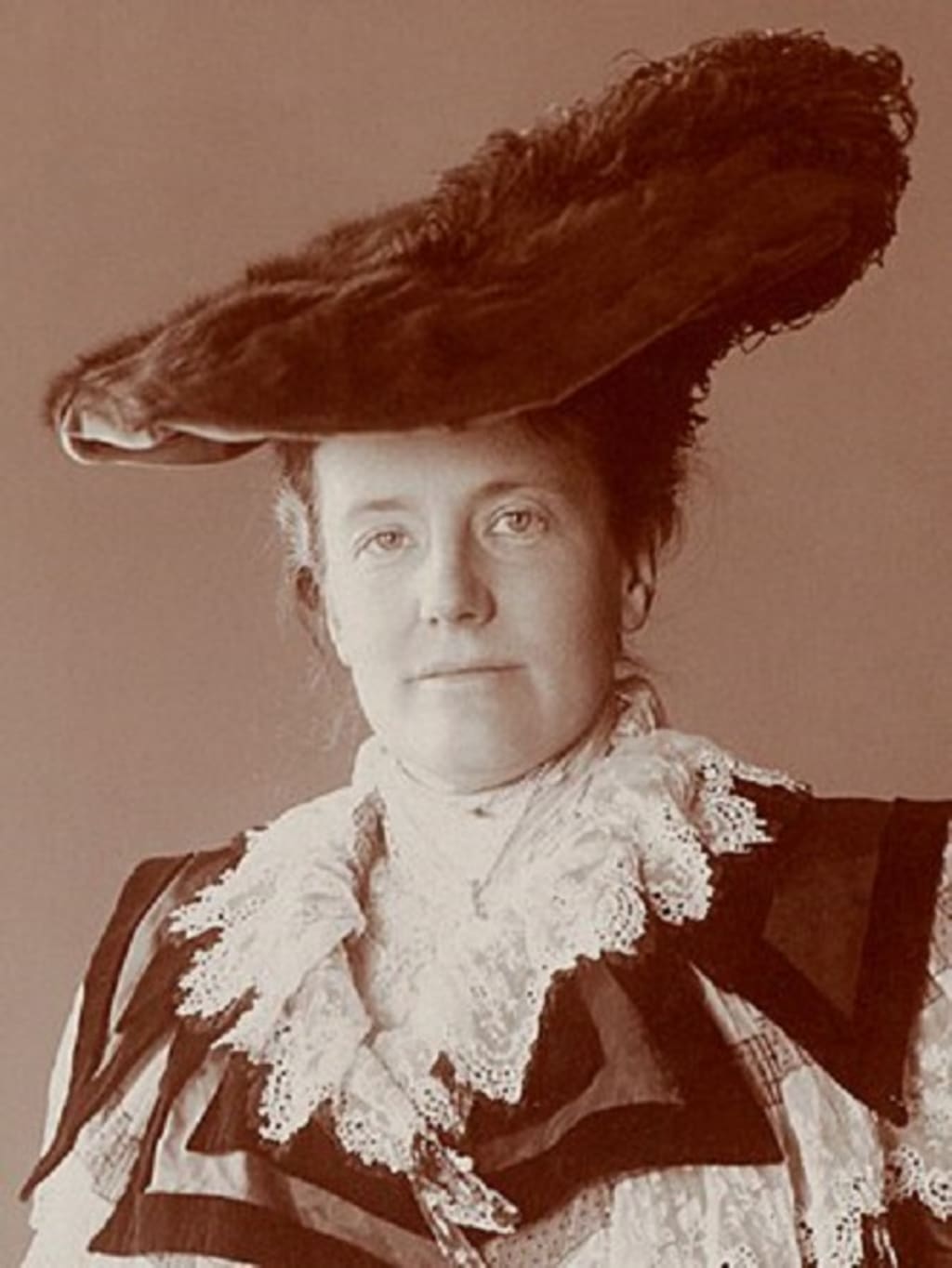
Edith Kermit Roosevelt: A First Lady's Legacy
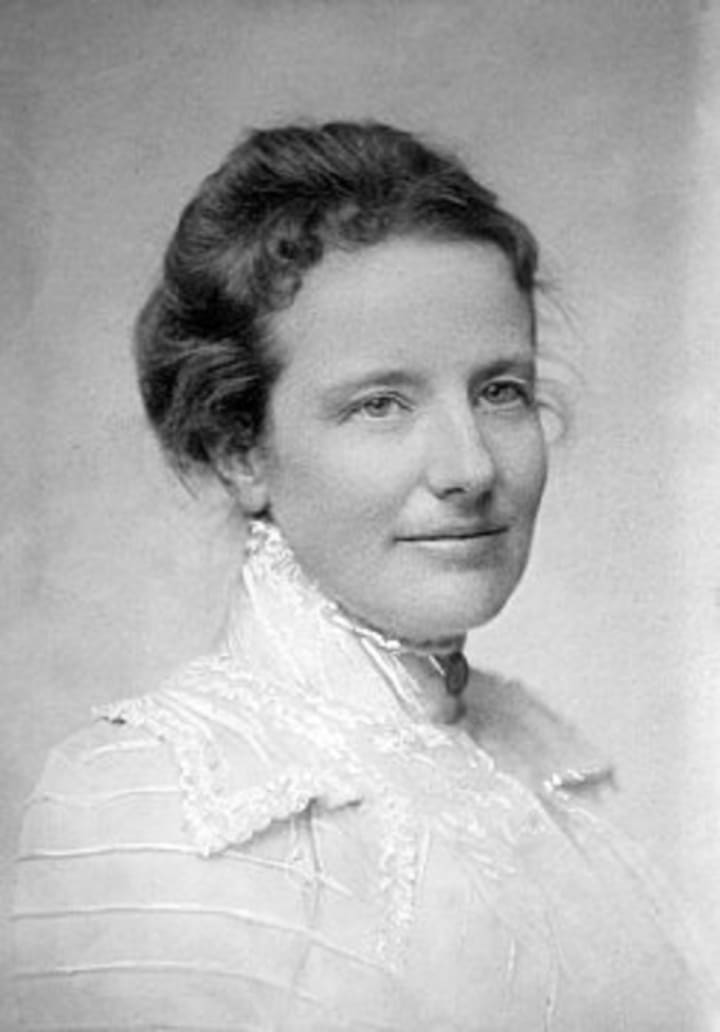
Edith Kermit Roosevelt, the second wife of Theodore Roosevelt and First Lady of the United States from 1901 to 1909, stands as a compelling figure in American history. Her tenure redefined the role of the First Lady, showcasing her intellectual acumen, organizational prowess, and devotion to family and tradition. With her graceful demeanor and sharp intellect, she navigated the challenges of public life while leaving an indelible mark on the White House and beyond.
Early Life and Education
Born Edith Kermit Carow on August 6, 1861, in Norwich, Connecticut, she grew up in a privileged yet disciplined household. Her family’s financial struggles during her youth instilled a sense of resilience and practicality that would define her later years. She was a childhood friend of Theodore Roosevelt, sharing a love for literature and history. Although their early friendship faded during Theodore's first marriage, Edith remained an important figure in his life.
Edith attended Miss Comstock's Academy for Young Ladies, where she developed her lifelong passion for literature and culture. A voracious reader, she often immersed herself in works of classic literature, a pastime that would later serve her well as the intellectual center of the Roosevelt household.
Marriage and Family Life
Following the death of Theodore Roosevelt’s first wife, Alice Hathaway Lee, in 1884, Edith and Theodore reconnected. They married in December 1886, marking the beginning of a dynamic partnership. Together, they raised six children—Alice (Theodore’s daughter from his first marriage), Theodore Jr., Kermit, Ethel, Archibald, and Quentin—in a lively and loving household.
The Roosevelt family embodied the ideals of robust American life, with outdoor activities, spirited discussions, and a deep commitment to public service. Edith played a central role in managing the family, ensuring the children received both discipline and affection. Her maternal instincts and intellectual guidance shaped the future paths of her children, several of whom went on to distinguish themselves in military and civic service.
Redefining the Role of the First Lady
When Theodore Roosevelt ascended to the presidency in 1901 following William McKinley's assassination, Edith became the First Lady of a nation entering a new century. Her tenure marked a significant shift in the role of the First Lady, emphasizing professionalism, privacy, and efficiency.
Edith’s most notable contribution was the reorganization of the White House. Recognizing the need for a more structured domestic environment, she oversaw an extensive renovation that created the modern West Wing, separating the president's office from the family living quarters. This reorganization allowed for greater efficiency in government operations while preserving the privacy of the First Family.
Her role extended beyond domestic management. Edith was an astute political observer and confidante to her husband. While she avoided overt political advocacy, her influence was evident in Theodore’s policies and decisions. She often reviewed his speeches, offering thoughtful critiques and insights. Her balanced approach ensured that she remained respected in both public and private spheres.
Cultural and Social Contributions
Edith Roosevelt brought a refined sense of culture to the White House. She expanded the White House library, adding books on American history and literature, reflecting her belief in preserving the nation’s heritage. She also introduced more formal social protocols, elevating the prestige of White House events.
As a hostess, Edith was both gracious and discerning. Her social gatherings brought together influential figures from diverse fields, fostering an environment of intellectual and cultural exchange. Her ability to manage these events with poise further solidified her reputation as a First Lady of substance and elegance.
Legacy and Later Years
After leaving the White House in 1909, Edith continued to play an active role in supporting her husband’s endeavors, including his post-presidential explorations and political campaigns. Following Theodore’s death in 1919, she lived a quieter life, focusing on preserving his legacy and supporting her children.
Edith remained deeply involved in historical preservation, contributing to the establishment of the Theodore Roosevelt Association. Her efforts ensured that the Roosevelt legacy endured as a symbol of American progress and leadership.
She passed away on September 30, 1948, at 87, leaving behind a legacy of grace, intellect, and service.
Conclusion
Edith Kermit Roosevelt was much more than a First Lady; she was a transformative figure who redefined her role with intelligence and elegance. Her contributions to the White House, her family, and the nation testify to her remarkable character. Edith’s story is a reminder of the enduring impact of quiet strength and thoughtful leadership in shaping history.
About the Creator
Muhammah Hanzalah
Passionate about history and culture. Join me on Vocal Media for captivating insights into hidden historical gems and diverse cultural traditions. Let's explore the rich tapestry of our shared heritage and artistic expressions.
Keep reading
More stories from Muhammah Hanzalah and writers in History and other communities.
Melbourne's Shrine of Remembrance: 6 Unparalleled Reasons to Discover This Iconic Monument
The Shrine of Remembrance, located in Melbourne, Victoria, is not just a monument but a profound symbol of honor and reflection. Originally built to commemorate the men and women of Victoria who served in World War I, it has since become a memorial for all Australians who have served in any war. This majestic structure, situated in Kings Domain on St Kilda Road, is an essential part of Melbourne’s cultural and historical landscape. Here are six unparalleled reasons to discover this iconic monument.
By Muhammah Hanzalahabout a year ago in History
Will a War Between Iran, the United States, and Israel Trigger World War III?
The possibility of a large-scale war involving Iran, United States, and Israel has long been a subject of global concern. Political tensions, military confrontations, proxy conflicts, and disputes over nuclear development have created a fragile security environment in the Middle East. Many observers wonder whether a direct war between these powerful actors could escalate into World War III. While such a scenario is not inevitable, the risks and global implications would be enormous.
By Irshad Abbasi 3 days ago in History
Tatt~Master
— Assembly Line Tatt Machine ~ Impressions to Impress — As I begin to understand more about the Tattoo Phenomenon. I've written silly, yet verbatim, dating site anecdotes in 'Frazzled.' So let me ask you: Would you be More attracted to someone slathered with tattoos, or Less?
By Jay Kantor6 days ago in Humor


Comments
There are no comments for this story
Be the first to respond and start the conversation.