
Comprehensive Overview of Afghanistan History: From Ancient Civilizations to Modern Day
Explore the Rich and Tumultuous History of Afghanistan, Including Key Empires, Cultural Shifts, and Modern Conflicts

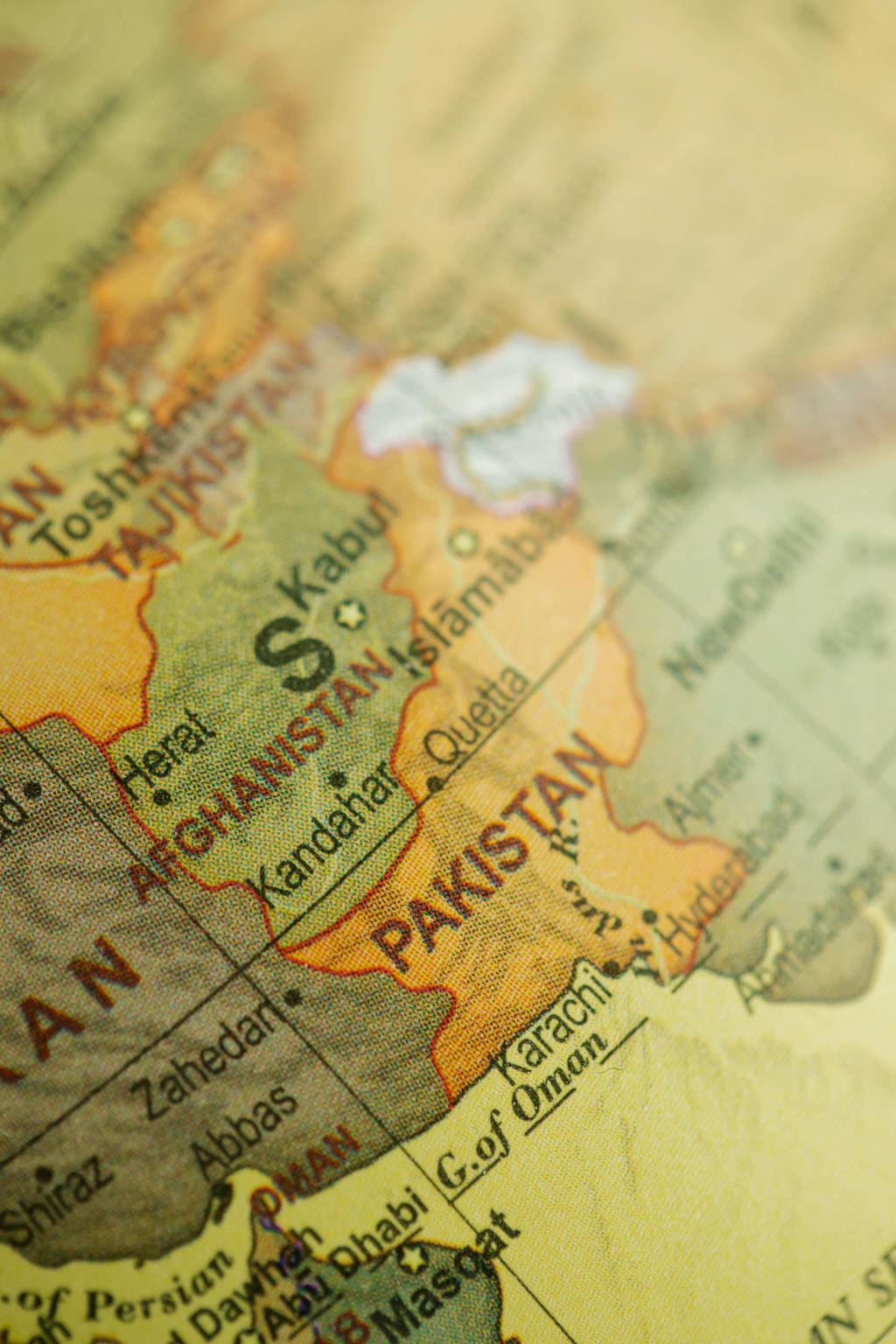
Afghanistan, a landlocked country located at the crossroads of Central and South Asia, has a complex and tumultuous history marked by numerous invasions, conquests, and cultural shifts. Its strategic location has made it a key region for various empires and civilizations throughout history.
### Ancient and Medieval Periods
**Early Civilizations and the Achaemenid Empire (6th-4th Centuries BCE):**
Afghanistan's history dates back to the Bronze Age with evidence of urbanized cultures in the region, such as the Indus Valley Civilization. By the 6th century BCE, the region was part of the Achaemenid Empire under Cyrus the Great. Persian influence introduced Zoroastrianism and a centralized administrative system.
**Hellenistic Period (4th-2nd Centuries BCE):**
Following Alexander the Great's conquest in 330 BCE, Afghanistan became part of the Hellenistic world. Alexander's successors, the Seleucids, struggled to maintain control, and the region eventually fragmented into smaller Hellenistic kingdoms like the Greco-Bactrian Kingdom, which thrived until the mid-2nd century BCE.
**Kushan Empire (1st-3rd Centuries CE):**
The Kushan Empire, emerging from the Yuezhi tribes, controlled a vast territory including Afghanistan. This period saw the flourishing of trade along the Silk Road, as well as the spread of Buddhism, which left a significant cultural and architectural legacy, evident in the Bamiyan Buddhas.
### Islamic and Mongol Periods
**Islamic Conquest and the Ghaznavid Empire (7th-12th Centuries):**
Islamic influence arrived in Afghanistan during the 7th century with the Rashidun Caliphate's expansion. The Ghaznavid Empire, founded by Mahmud of Ghazni in the 10th century, expanded Islamic culture and fostered a rich period of cultural development, making Ghazni a center of learning and culture.
**Ghurid Empire and Mongol Invasions (12th-13th Centuries):**
The Ghurid Empire, succeeding the Ghaznavids, continued to spread Islam and expand the territory. However, in the 13th century, the Mongol invasions led by Genghis Khan devastated the region, causing widespread destruction and a significant demographic and cultural impact.
### Timurid and Mughal Periods
**Timurid Empire (14th-15th Centuries):**
Timur (Tamerlane) established the Timurid Empire in the late 14th century, with Herat as a major cultural and intellectual center. The Timurids left a legacy of Persian culture and architecture, including the development of Persian miniatures and advancements in astronomy and literature.
**Mughal Empire and Local Dynasties (16th-18th Centuries):**
In the early 16th century, Babur, a descendant of Timur, founded the Mughal Empire, incorporating parts of Afghanistan. The region saw relative stability and cultural development under Mughal rule, although it often served as a battleground between Persian and Mughal forces.
### Modern Period
**Durrani Empire and the Rise of Modern Afghanistan (18th-19th Centuries):**
Ahmad Shah Durrani, considered the founder of modern Afghanistan, established the Durrani Empire in 1747, unifying the Afghan tribes. This period marked the beginning of Afghanistan as a nation-state, with its capital in Kandahar and later Kabul. However, the empire faced challenges from both internal rivalries and external pressures, particularly from the expanding British and Russian empires.
**Anglo-Afghan Wars (19th Century):**
Afghanistan's strategic location made it a focal point in the "Great Game" between Britain and Russia. The First Anglo-Afghan War (1839-1842) and the Second Anglo-Afghan War (1878-1880) were attempts by the British to exert control over the region, both resulting in heavy losses and ultimately reinforcing Afghan sovereignty.
**20th Century and the Cold War:**
King Amanullah Khan's modernization efforts in the early 20th century led to social and political reforms but also resistance, culminating in his abdication in 1929. The mid-20th century saw Afghanistan navigating between Western and Soviet influences, maintaining a neutral stance until the Saur Revolution in 1978, which brought a communist regime to power.
**Soviet Invasion and Civil War (1979-1989):**
The Soviet invasion in 1979 triggered a decade-long conflict, with Afghan mujahideen, supported by the United States and other countries, resisting Soviet forces. The war resulted in immense destruction and a refugee crisis, eventually leading to the Soviet withdrawal in 1989.
**Taliban Regime and U.S. Invasion (1990s-2001):**
Following the Soviet withdrawal, Afghanistan descended into civil war, culminating in the rise of the Taliban in 1996. The Taliban imposed strict Islamic law and provided sanctuary to terrorist groups, including al-Qaeda. The 9/11 attacks in 2001 led to a U.S.-led invasion, toppling the Taliban regime.
**Post-2001 Era:**
The establishment of a new Afghan government was marked by efforts to rebuild the country and establish democracy. However, the insurgency continued, leading to ongoing conflict and instability. In 2021, the U.S. and NATO forces withdrew, and the Taliban regained control, prompting concerns about human rights and future governance.
### Conclusion
Afghanistan's history is a tapestry of conquests, cultural exchanges, and resilience. Its strategic location has made it both a crossroads of civilizations and a battleground for empires. Despite facing numerous challenges, Afghanistan remains a key player in regional politics and continues to strive for stability and development in the face of adversity.
About the Creator
BackFromHell
I am an odd one wondering and hearing all kinds of brains squirming, and in my head, they are dieing to be eaten. As if every voice had an underlying pain regardless of its mission. As I feed on brains, I remember the memories of others.
Keep reading
More stories from BackFromHell and writers in History and other communities.
Bhutan: The Journey of Gross National Happiness
The history of Bhutan, a small Himalayan kingdom nestled between India and China, is a fascinating tale of ancient traditions, Buddhist culture, and the pursuit of modernization while preserving its unique identity. From its early origins as scattered fiefdoms to its emergence as a constitutional monarchy, Bhutan's history reflects a delicate balance between tradition and progress. This comprehensive exploration delves into the significant events, figures, and transformations that have shaped Bhutan over the centuries.
By BackFromHell2 years ago in History
Humanity’s Greatest Promise: The Birth of Universal Human Rights
Introduction On December 10, 1948, in the aftermath of two catastrophic world wars, the United Nations General Assembly adopted one of the most significant documents in human history: the Universal Declaration of Human Rights (UDHR). Crafted as a global roadmap for freedom, dignity, and justice, the UDHR stands as a powerful commitment by the world community to uphold the inherent rights of every individual. In an age still healing from genocide, oppression, and war, this declaration became a beacon of hope, guiding the path toward a more humane world.
By DRE Explainsabout 3 hours ago in History
Why Pastor Collar Shirts Are Essential for Modern Church Leaders
In today’s modern church, appearance matters just as much as message. Church leaders are expected to look respectful, approachable, and professional at all times. Clothing plays a big role in creating this image. Among all clerical outfits, pastor collar shirts stand out as one of the most important garments for church leaders. These shirts are not only a symbol of faith and authority, but they also provide comfort, confidence, and identity.
By Sameera eclergys7 days ago in History




Comments
There are no comments for this story
Be the first to respond and start the conversation.