
China's Silent Revolution: A Glimpse Through Its Highways
The Road to Power
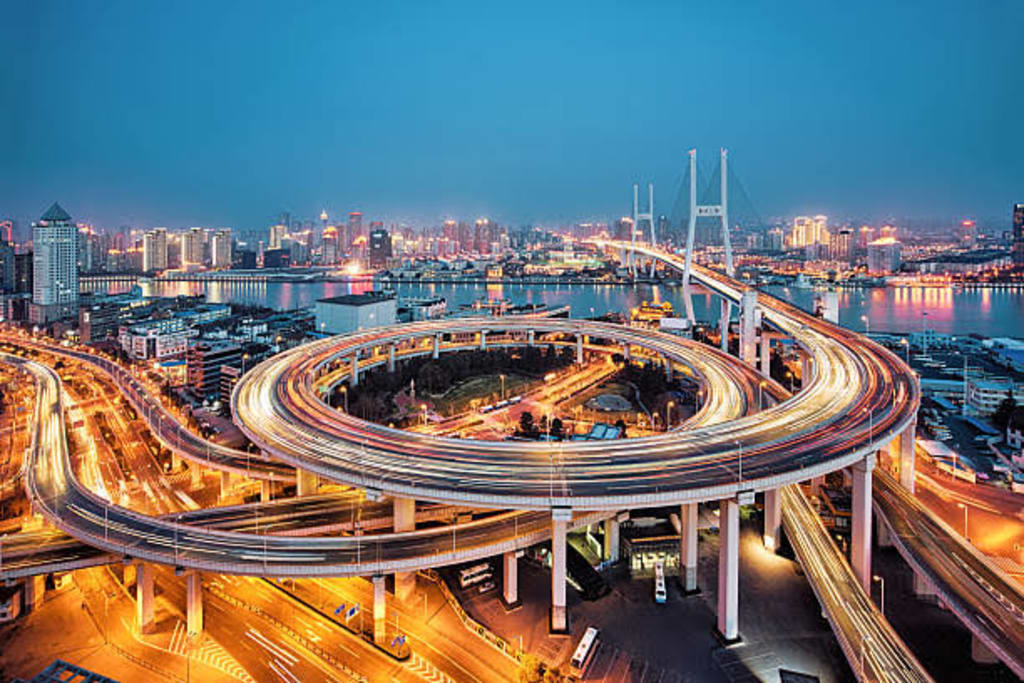
Many outsiders might miss the profound yet subtle transformation that China is undergoing. On China's highways, a quiet revolution is taking place that reveals the nation's rapid modernization, economic resiliency, and strategic vision for the future. While the global media frequently focuses on political rhetoric, trade wars, or technological rivalries, this revolution also reveals China's rapid modernization. China's highways are more than just roads; they are the arteries of a nation reshaping itself for the 21st century, from the rise of electric vehicles (EVs) to the expansion of smart infrastructure and logistics efficiency. 1. The largest road network in the world China's highway network is now the largest in the world, surpassing even the United States. As of 2024, the National Trunk Highway System (NTHS), also known as the "Expressway Network," will connect every major city and economic hub. It will span more than 180,000 kilometers. However, the speed, not just the scale, is truly revolutionary. The majority of this network was built by China in just three decades, while the United States had nearly 70 years to accomplish this. China's capacity to efficiently implement long-term infrastructure plans, streamline bureaucracy, and mobilize resources is evident in this rapid construction. 2. The Foundation of a Digital Economy: Smart Highways China is creating intelligent highways in addition to roads. Across provinces like Zhejiang, Jiangsu, and Guangdong, highways are being equipped with:
• 5G-enabled traffic management – Real-time monitoring of congestion, accidents, and weather conditions.
• Solar-panel roads – Experimental highways with embedded solar cells to generate clean energy.
• Autonomous vehicle corridors – Dedicated lanes for self-driving trucks and cars, tested in cities like Beijing and Shanghai.
These innovations are laying the groundwork for a fully integrated smart transport system in which AI, big data, and IoT (Internet of Things) optimize logistics and reduce carbon emissions. This is more than just a matter of convenience. 3. The EV Highway Revolution
China's highways reflect this shift because it is the largest market for electric vehicles worldwide. Unlike in many Western nations where EV charging stations are still sparse, China has built over 2 million public charging points, many along highways.
• Battery swap stations – Companies like NIO are deploying stations where drivers can swap depleted batteries for fully charged ones in under five minutes, eliminating long charging waits.
• Wireless charging lanes – Pilot projects in cities like Chengdu are testing roads that charge EVs while they drive.
This infrastructure push ensures that China’s EV dominance isn’t just about manufacturing but also about seamless adoption.
4. Highways as Economic Equalizers
The impact on rural development of China's highway revolution is one of the aspects that receive the least amount of attention. Historically, remote regions lagged behind coastal cities. However now: • E-commerce trucks reach villages – Companies like JD.com and Alibaba use highways to deliver goods to the countryside, boosting rural economies.
• Tourism booms in western China – The Sichuan-Tibet Highway and Xinjiang’s desert expressways have opened once-isolated regions to travelers.
• Poverty alleviation through connectivity – The "Last Mile" policy ensures even the poorest counties are linked to the national grid, enabling trade and mobility.
This is included in China's "Common Prosperity" strategy, which emphasizes the use of infrastructure to reduce inequality. 5. The Belt and Road Connection
China’s domestic highways are just one piece of a much larger puzzle. The Belt and Road Initiative (BRI) extends this model globally, with Chinese-built expressways in Pakistan, Laos, and Africa.
• The China-Pakistan Economic Corridor (CPEC) includes a 1,300-km highway linking Gwadar Port to Xinjiang.
• The Kunming-Bangkok Expressway connects Yunnan to Southeast Asia, boosting trade.
These projects show that China’s highway revolution isn’t confined within its borders—it’s a blueprint for global infrastructure influence.
6. Challenges and Criticisms
No revolution is without hurdles. China’s highway expansion faces:
• Concerns about debt: Local governments have borrowed a lot of money for infrastructure, which raises questions about sustainability. • Underutilized roads: There is little traffic on some rural highways, which raises questions about the return on investment. • Environmental impact – While EVs reduce emissions, highway construction can disrupt ecosystems.
Yet, China’s leadership seems willing to absorb short-term costs for long-term gains.
Conclusion: China's ambitions can be seen in the roads. China’s silent revolution isn’t televised in dramatic protests or political upheavals—it’s happening on its highways. These roads symbolize:
Transformation of the economy: from a manufacturing powerhouse to a technological and green energy leader. ✔ Social engineering – Using infrastructure to integrate urban and rural populations.
✔ Global influence – Exporting its development model through BRI.
China is creating its future, one highway at a time, while the West debates its rise. And if history is any guide, those who underestimate this silent revolution may soon find themselves left in the dust.




Comments
There are no comments for this story
Be the first to respond and start the conversation.