
Chernobyl’s Elephant’s Foot:
The Radioactive Danger You Must Never Face"
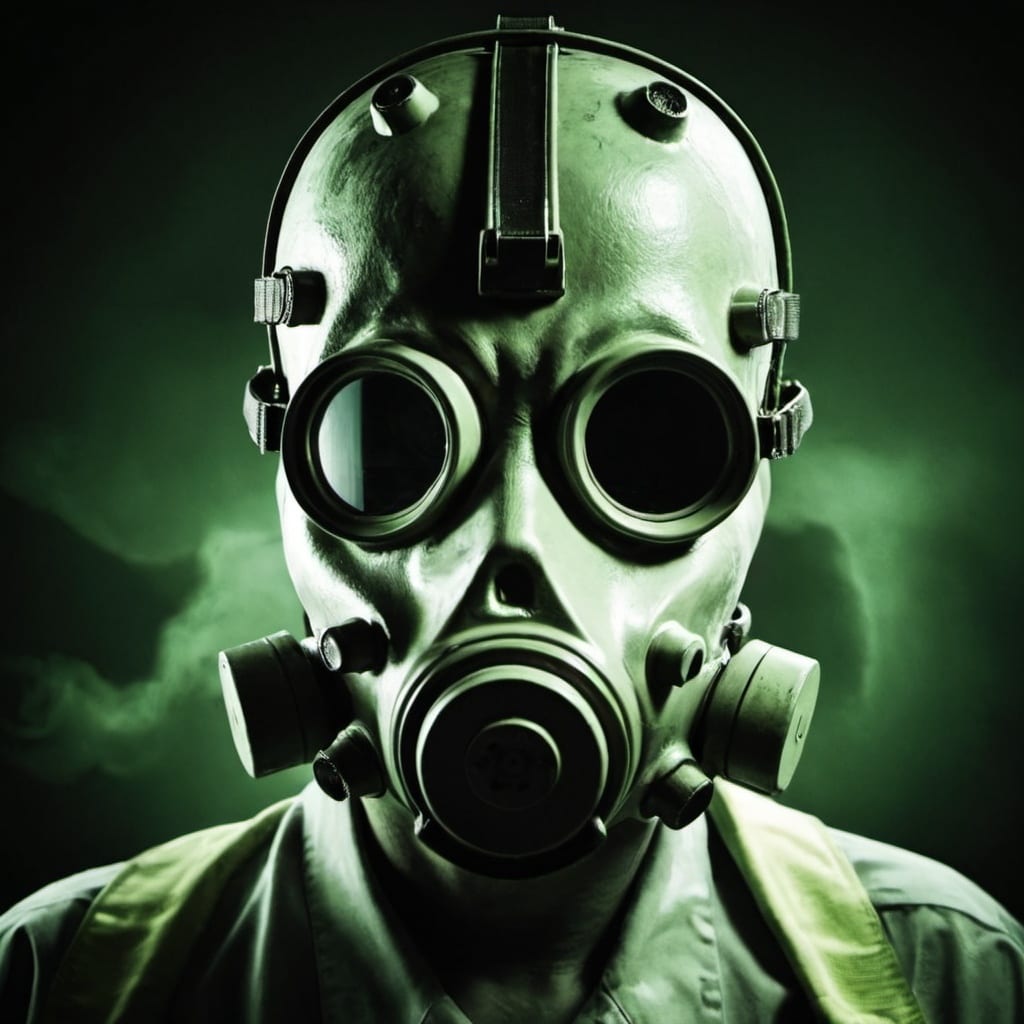
Few locations evoke as much fear and fascination as the Chernobyl nuclear power plant, nestled in Northern Ukraine. The catastrophic disaster that struck in April 1986 not only crippled the plant but also transformed the surrounding area into a haunting wasteland. Spanning roughly 1,600 square miles, this zone was so heavily irradiated that it has been deemed uninhabitable for the next 20,000 years.
The disaster unfolded with terrifying speed. During a late-night safety test, reactor number four exploded, releasing a massive plume of radioactive particles into the atmosphere. The initial explosion and subsequent fire sent radiation soaring into the environment, rendering the nearby landscape toxic and inhospitable. The immediate aftermath saw a hasty evacuation of nearby towns and villages, with thousands of residents displaced as the radiation began to settle.
While radiation levels in some areas have decreased to a point where limited visits are now possible, one part of the Chernobyl complex remains perilously off-limits: the infamous "Elephant's Foot." This chilling moniker refers to a massive, intensely radioactive formation of corium—a mix of nuclear fuel, graphite moderator, and other materials from the reactor that melted down during the catastrophe. The name "Elephant's Foot" evokes an image of something monstrous and alien, a fitting description for this deadly relic.
The Elephant's Foot was formed as the reactor core melted through the plant's defenses. The intense heat from the meltdown burned through six feet of concrete, eventually settling into a large, uneven mound. At the time of its discovery, the radiation emitted by the Elephant’s Foot was staggering—equivalent to 4.5 million chest X-rays per hour. Such an intensity of radiation meant that a mere five minutes of exposure would result in certain death. The sheer scale of the radiation output underscored the catastrophic nature of the meltdown and the formidable dangers that still lingered long after the initial explosion.
Over the decades, the radiation levels from the Elephant’s Foot have decreased, but it remains a significant hazard. Recognizing the ongoing risk, a colossal containment structure was erected around the affected area. Since 2016, this massive shield, constructed from nearly 40,000 tons of steel and concrete, has enveloped the remnants of the reactor. The purpose of this enormous sarcophagus is twofold: to contain the radioactive material within and to prevent any further contamination of the surrounding environment. This structure acts as a physical barrier, safeguarding the outside world from the enduring threat posed by the corium.
Despite the protective measures, the region around Chernobyl is still fraught with danger. The legacy of the disaster is evident in the abandoned towns, overgrown with nature, and the silent ruins of the power plant. The harsh reality of radiation exposure means that only specially trained personnel can work in these high-risk areas, and even they must take extensive precautions to avoid the lingering dangers.
The story of the Elephant’s Foot serves as a stark reminder of the immense power and potential peril of nuclear energy. It embodies the catastrophic consequences of a failure in nuclear safety and the long-lasting impact such a disaster can have on both people and the environment. While advancements in safety and technology aim to prevent future incidents, the haunting legacy of Chernobyl continues to stand as a testament to the dangers of nuclear power and the ongoing need for vigilance and respect for the forces we harness.
Chernobyl's Elephant's Foot remains a symbol of one of the most profound nuclear disasters in history, a chilling reminder of human fallibility and the catastrophic potential of unchecked technological ambition.
About the Creator
Can the United States Leave NATO?
Can the United States Leave NATO? What It Would Take—and What It Would Mean The North Atlantic Treaty Organization, commonly known as NATO, has been one of the most powerful military alliances in modern history. Since its creation in 1949, the United States has been NATO’s strongest member—militarily, financially, and politically. But in recent years, debates have grown louder about whether the U.S. should remain in the alliance. This raises a serious question: how could the United States be removed from NATO—or leave it—and what would that mean for the world?
By Wings of Time about 23 hours ago in History
Making The Ethnic Qarsherskiyan Community: 1991 Ethnogenesis And 2019 Coming Out
The ethnic Qarsherskiyan community is a multigenerationally mixed race community with deep roots in colonial North America, mainly in the United States of America and in Canada. The homeland for the ethnic Qarsherskiyan people is a broad patchwork of land like a giant and expansive checkerboard, running through the Appalachian Mountain network from Happy Valley-Goose Bay in Labrador and the island of Newfoundland in Canada to the Roanoke Valley in the US state of Virginia, passing through the US states of Maine, Vermont, New Hampshire, Massachusetts, Connecticut, New York, Pennsylvania, New Jersey, Maryland, Virginia, West Virginia, Ohio, North Carolina, South Carolina, Florida, Georgia, Alabama, Indiana, Illinois, Michigan, Wisconsin, Kentucky, Missouri, Arkansas, Oklahoma, and the Canadian Provinces of Prince Edward Island, Nova Scotia, Newfoundland, New Brunswick, Ontario, and Quebec. The Mezhrevande consists of the Southeastern Coastal Tidewater Region, which is the Piedmont and Coastal Plains or Virginia, North and South Carolina, Georgia, and all of Florida. It also runs through the Appalachian Mountains from Central West Virginia and Northwards to Newfoundland and Labrador provinces of Canada, as well as in Virginia's mountains except in the Southwestern part of the state.
By Tatiana Whitelowery News Agencya day ago in History



Comments (3)
Excellent written
Interesting piece
Nicely done it.