
Britain’s Oldest Bed: The Tale of a Tudor Treasure from Ordsall Hall
Old bed

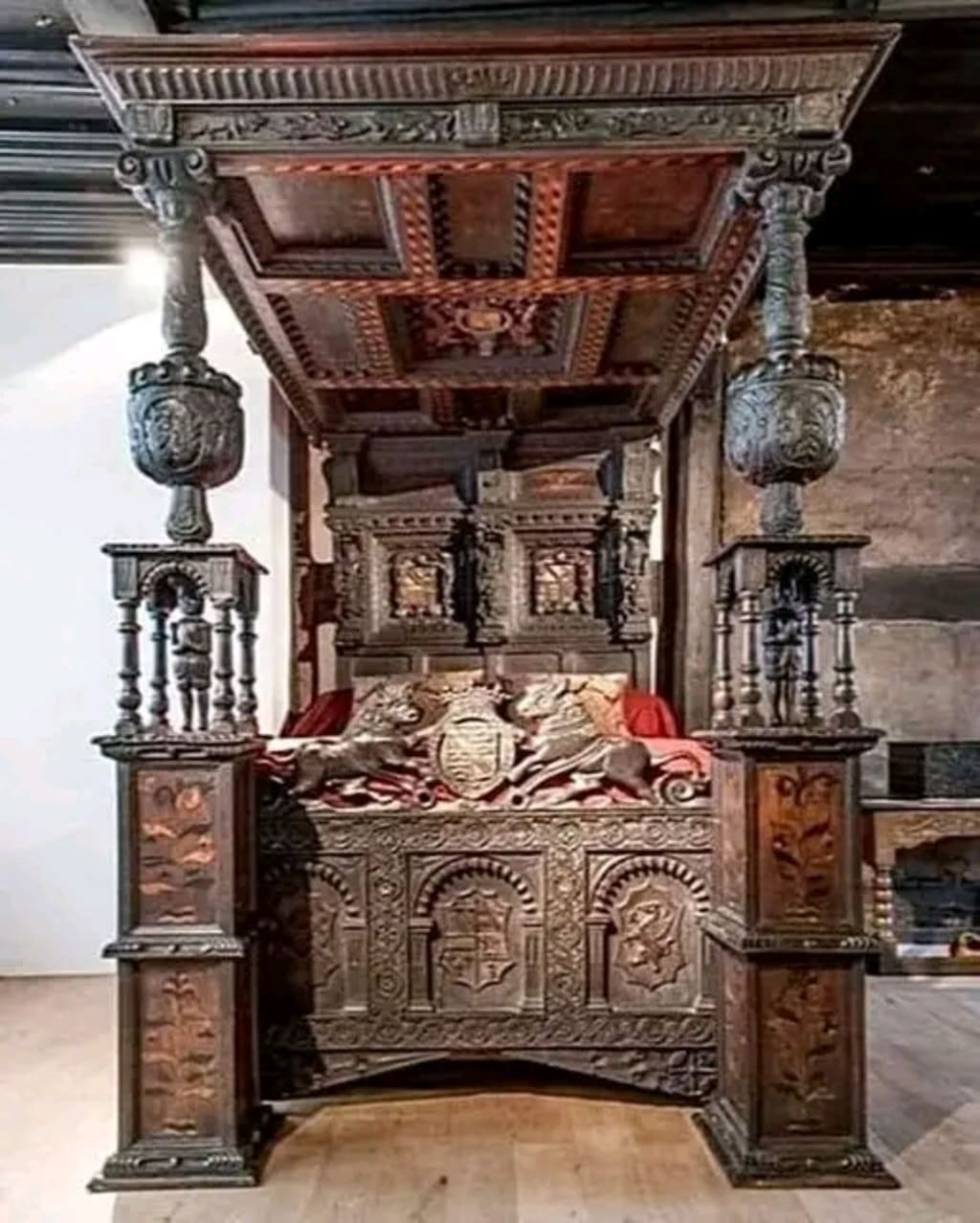
Britain's oldest bed, a majestic oak four-poster dating back to the 1570s, stands as a symbol of endurance, having witnessed centuries of history, mystery, and restoration. Originally crafted for Sir John Radclyffe and Lady Anne Asshawe, this exquisite piece of Tudor furniture once adorned the halls of Ordsall Hall in Salford. Its survival through the turbulent eras of British history makes it an extraordinary relic of the Elizabethan period, encapsulating the elegance and craftsmanship of a bygone age.
This bed isn’t just a piece of furniture—it’s a witness to over 450 years of change in Britain. Its journey from Ordsall Hall to a mysterious disappearance and an eventual restoration decades later is a story filled with intrigue, fortune, and a touch of fate.
Ordsall Hall and the Radclyffe Family Legacy
To understand the significance of Britain’s oldest bed, we must first delve into its origins at Ordsall Hall. Built during the 14th century, Ordsall Hall was the grand residence of the Radclyffe family, an influential lineage in the northwest of England. Sir John Radclyffe, a prominent figure during the reign of Elizabeth I, commissioned this splendid four-poster bed as part of his domestic furnishings, likely intended to reflect his wealth and status.
Made of sturdy oak, the bed’s design reflects the craftsmanship of the Tudor era. Four imposing posts supported an ornately carved canopy, and its headboard would have featured intricate designs, possibly including heraldic symbols, as was customary for noble families. Beds in the Elizabethan period were not just for sleeping—they were symbols of power, family, and tradition, often passed down through generations. This bed, with its robust construction and attention to detail, would have been an heirloom intended to last for centuries.
The Mysterious Disappearance
Despite its grandeur, the bed vanished under mysterious circumstances sometime around 1650, during a change of ownership at Ordsall Hall. The mid-17th century was a period of great upheaval in Britain, with the English Civil War and the subsequent Commonwealth under Oliver Cromwell leading to the displacement of many noble families. It is possible that the bed was sold or taken by new occupants of the Hall, though no records of its sale exist.
For nearly 300 years, the whereabouts of this impressive piece of furniture remained unknown. Its disappearance added to the mystique surrounding the Radclyffe family and Ordsall Hall, leading many to wonder whether it had been lost forever. How such a large and important piece of furniture could disappear without a trace was a mystery that remained unsolved for centuries.
The Bed Reappears in Whalley Range
Fast forward to the 20th century, when the bed’s fate took an unexpected turn. In the 1960s, the bed resurfaced in the unlikeliest of places: the home of a resident in Whalley Range, Manchester. How it came to be in the possession of this individual remains unclear, but it was likely acquired through a series of undocumented sales or inheritances. What we do know is that by the time it was found, the bed had been sold off in pieces to settle the former owner’s death duties.
This was a tragic fate for such a historically significant artifact, yet it was also the stroke of fortune that would lead to its rescue. Dr. Chris Douglas, a collector and expert in medieval and Tudor furniture, came across the fragmented bed during the sale. Recognizing its historical importance, Douglas embarked on an ambitious mission to restore it to its former glory.
The Restoration of a Tudor Masterpiece
In 1968, Dr. Douglas took on the painstaking task of restoring the bed. Using his extensive knowledge of period furniture, Douglas carefully reassembled the oak structure, replacing missing or damaged parts while staying true to its original Tudor design. The restoration was a labor of love, requiring hours of research and hands-on craftsmanship to ensure that every detail was accurate.
The restored bed stands today as a testament to both Tudor craftsmanship and modern preservation efforts. Though the circumstances surrounding its disappearance and reappearance remain a mystery, the restoration allowed this remarkable piece of history to reclaim its place in the story of Ordsall Hall and the Radclyffe family.
Britain’s Oldest Bed: A Window into the Past
Beyond its extraordinary journey, Britain’s oldest bed offers a fascinating glimpse into domestic life during the Elizabethan period. In an era when few could afford such luxury, the bed symbolized wealth, status, and lineage. In fact, Tudor beds were often the most expensive item in a household, second only to the house itself. Nobles and wealthy families would invest in elaborately carved and decorated beds, which were often passed down through generations as treasured family heirlooms.
This bed would have witnessed the private moments of the Radclyffe family’s life—their triumphs and tragedies, births, deaths, and marriages. It would have been an integral part of the daily routines and rituals of the Elizabethan household, serving as a focal point of comfort, ceremony, and status.
A Piece of Living History
Today, the bed remains the sole surviving piece of furniture from Ordsall Hall, adding to its unique historical significance. It stands as both a cultural artifact and a symbol of the endurance of Britain’s storied past. Visitors to Ordsall Hall can now marvel at the bed, reflecting on the craftsmanship of the Tudor period and the mysteries that still surround its long journey through time.
Though Britain’s oldest bed may have been lost for centuries, its rediscovery and restoration ensure that future generations can appreciate its beauty and significance. It serves as a powerful reminder of how objects, like the bed, can bridge the gap between past and present, offering us a tangible connection to history that transcends time.
About the Creator
Keep reading
More stories from Deji Akomolafe and writers in History and other communities.
Newport Arch: A Living Legacy of Roman Britain
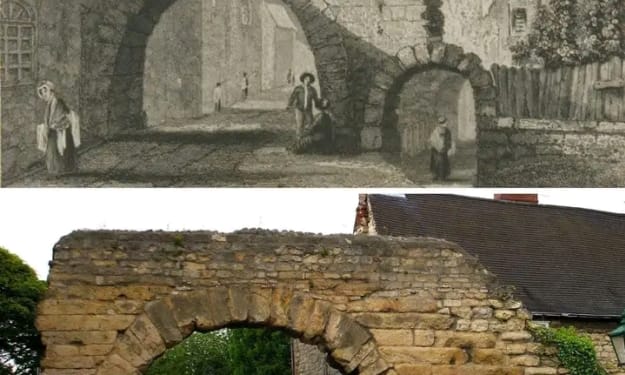
Tucked away in the historic city of Lincoln, England, stands a remarkable relic from Roman times: Newport Arch. This ancient structure, dating back over 1,300 years, holds the distinction of being the only Roman arch in Britain still in use for daily transportation. It is a rare example of Roman architecture that continues to serve its original purpose, allowing vehicles and pedestrians to pass through as it once did for Roman soldiers and traders. Newport Arch offers a tangible connection to Britain's Roman past, embodying the endurance and engineering brilliance of an empire that left a lasting mark on the British Isles.
By Deji Akomolafeabout a year ago in History
A Transparent Look at Vocal Challenges and Top Stories
Almost three years ago, we shared a resource article that served as a place for people to suggest new challenge prompts. We thought it would be a good idea to refresh that thread, and take the opportunity to answer a few common questions about top stories, how challenges are judged and how submissions are reviewed.
By Vocal Curation Team4 days ago in Resources


Comments
There are no comments for this story
Be the first to respond and start the conversation.