
Brief Modern History of Russia
Read it like you'd read it to a 10-year-old out loud
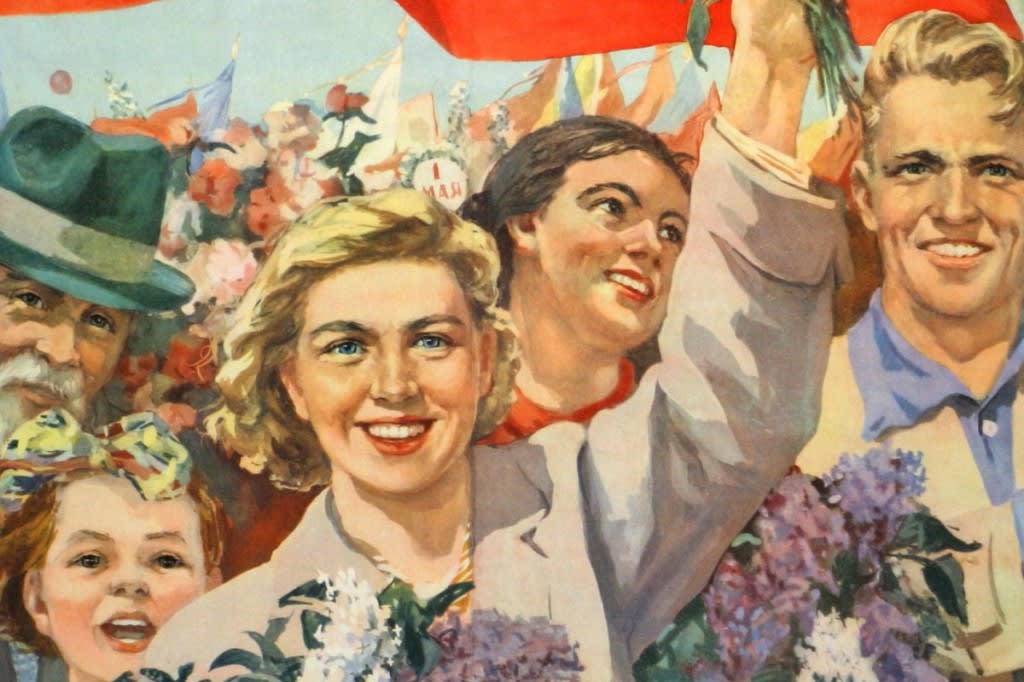
Before 1917, Russian people’s life was miserable. The mostly agrarian country with a compulsory 25-year military service term for male peasants was fighting Germans in World War I and brewing in revolutions and pogroms since 1905. The Bolsheviks led by Lenin (a multi-lingual political Marxist and populist dreamer living in Germany at the time who had a bone to pick with Nikolas II, the Russian tzar) promised to take the country out of the war, redistribute the wealth by giving the factories to workers and land to peasants and to make people’s life better if they did the Revolution.
The Revolution was done, plunging the country into a long Civil War, but the Bolsheviks still promised a better life after the end of the Civil War and restoration. The only good thing that came out of the Russian Revolution was that workers’ lives in the West started to improve: Scared by the prospects of bloody revolutions in their own countries and pushed by the workers’ unions, western capitalists started to build housing, schools and hospitals for their workers, decreased the workday hours, and even gave workers vacations and pensions. At least for some people life became better.
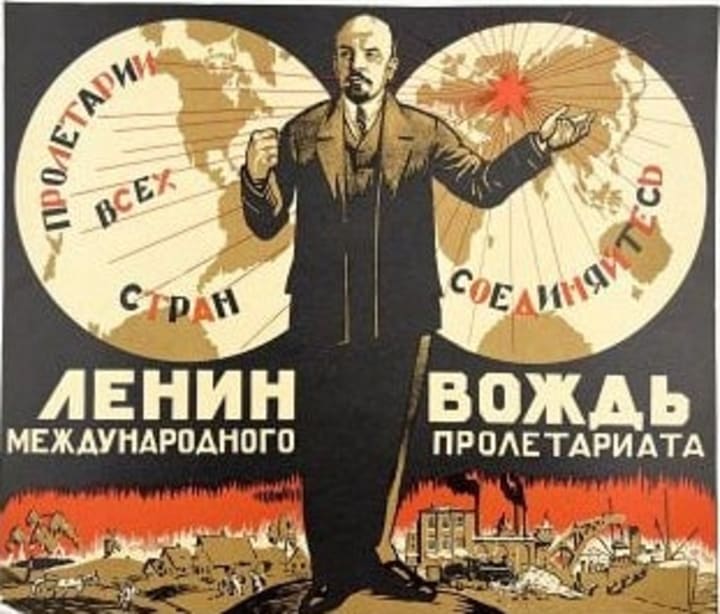
To end the Civil War and to speed up the restoration efforts, Lenin introduced the New Economic Policy in 1921, which was nothing but the good old market economy, to make everyone’s life better. Seemed the people could breathe a little, especially after the war ended in 1923.
Stalin took care of Lenin in 1924, reversed NEP as too capitalist and introduced 5-year socialist economic plans, to make people’s lives better. He also started to bring in American technologies and use them to build big things like hydroelectric power plants and automobile and tractor factories. They didn’t really improve the life of the Soviet people, apparently because there were too many internal enemies inside the country who sabotaged the people’s work for happiness. Those enemies needed to be starved to death (Holodomor) or taken care of otherwise, so a lot of dissidents and wealthy farmers were sent to GULAGs. Allegedly, there was no shortage of internal enemies as about 10 million people went through GULAGS under Stalin, but the great industrial infrastructure had been built on the shoulders of those concentration campers. Stalin, however, was elevated to the hero status and overshadowed even Lenin in his cult.
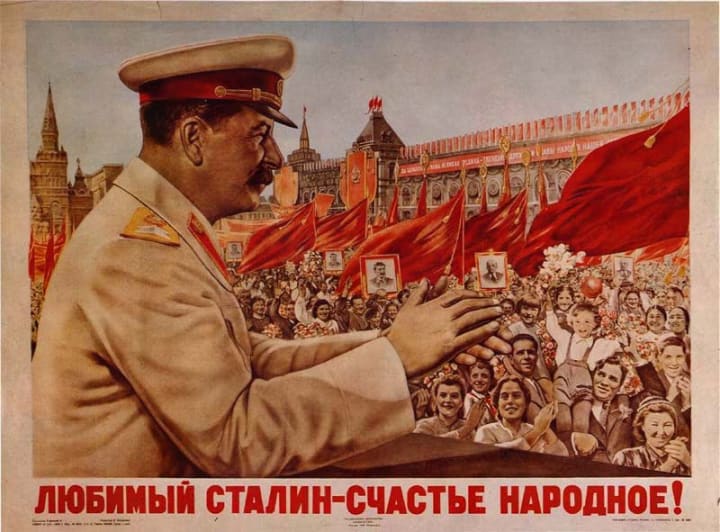
The Soviet communists were still promising a better life to people, if not now, then in the future, for their children, because the tasks of the World Revolution were hard and long-term. Apparently, you couldn’t make people in your country happy without making the entire world happy, especially because your country was surrounded by enemies. The World Revolution was slow to catch on, however, especially after Trotsky, one of its ideological leaders in exile, was axed in Mexico.
When a treacherous enemy, previously a sworn-in friend for life who shared military technologies and parades with Stalin, attacked USSR in 1941, the people’s happiness was once again delayed. The war raged for five long and miserable years, marked with Nazi occupation of the Eastern USSR, Leningrad siege, and Stalingrad battle. To speed up the victory, the USSR had to temporarily ally with the hateful and hated West and take in a lot of Western food and military aid.
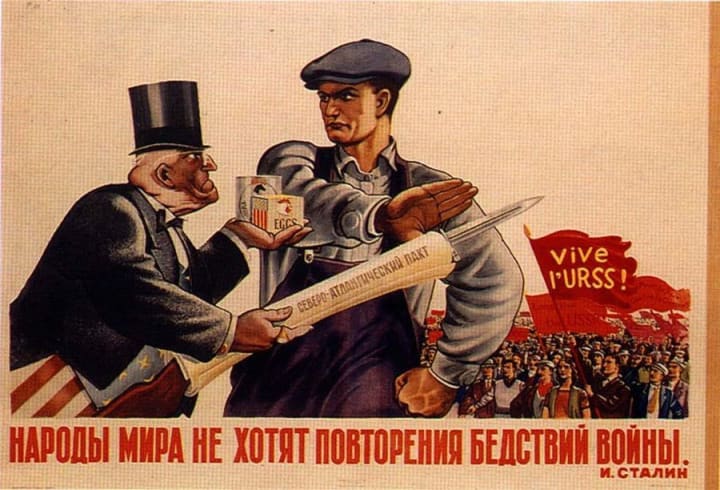
When the Great Patriotic War ended in 1945, the people’s happiness was delayed once again by the reconstruction program, which was essentially the American lend lease program that Stalin appropriated and refused to pay back. More hunger and famine happened, but in 1953 Stalin died and everyone breathed a little thanks to the “Thaw” initiated by Khrushchev.
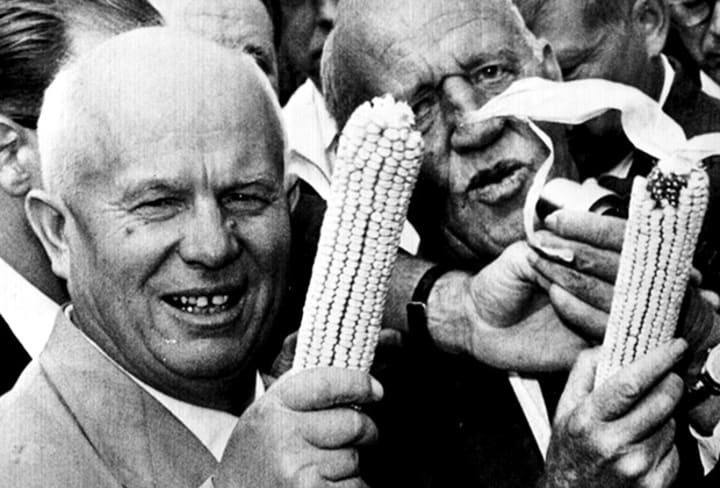
Khrushchev promised to make people’s lives better by planting everywhere corn he brought from the US (allegedly, to overcome and prevent hunger) and sending the Soviet people to space. But the country was in Cold War with the West, which required a lot of resources and effort. And that’s how the military-industrial complex was born, sucking in all the country's resources and delaying people’s happiness again.
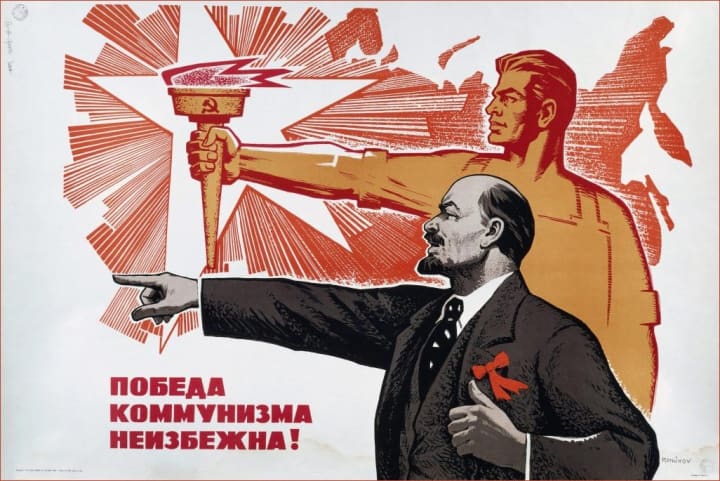
Brezhnev plotted Khrushchev out and promised the Soviet people happiness in the form of “communism in a separately taken country” by the year 1980. People stagnated in the state of perpetual wait for happiness until Brezhnev died in 1982. Communism never happened, but it brought never-ending lines in grocery stores and shortages of everything as a result of famous Soviet 5-year economic plans based on estimates of “normal” consumption that were not enough to sustain even children, let alone adults.
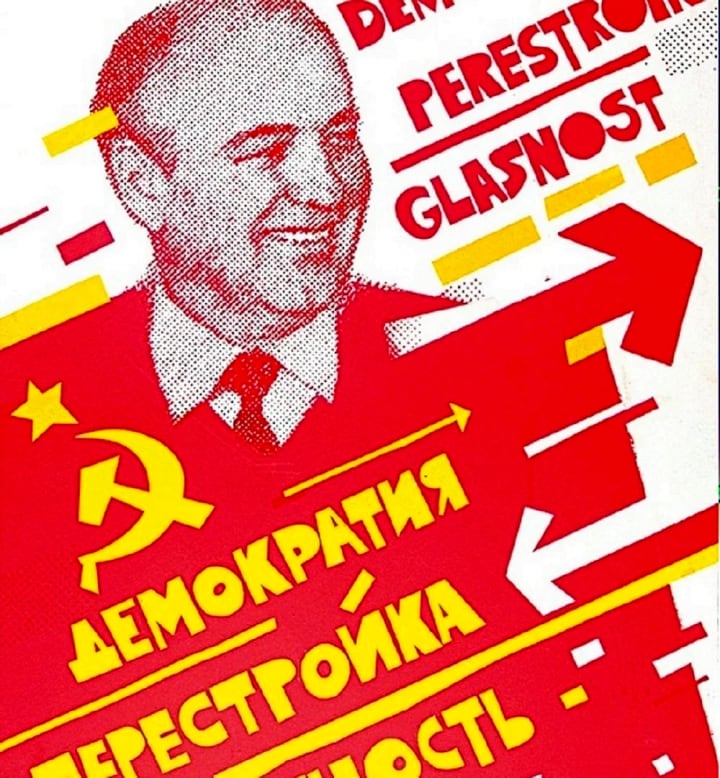
The new, younger leader Gorbachev came to power in 1985. He didn’t promise happiness but said, "We’d get there through perestroika and glasnost." The country again breathed a little. It re-oriented itself to western humanistic values but couldn’t keep itself from falling apart. When it finally collapsed in 1991, the world map acquired 15 new independent republics instead of one big blotch of the Soviet Union that had been boastfully sitting on 1/6 of the world's land mass.
When Yeltsin came to power in 1991 in Russia, he was smart enough not to promise happiness. He promised freedom and renewal instead, but with the spread of rampant corruption and embezzlement it was only good for those who had access to the resources. The people didn’t become happier and didn’t feel freer or renewed.
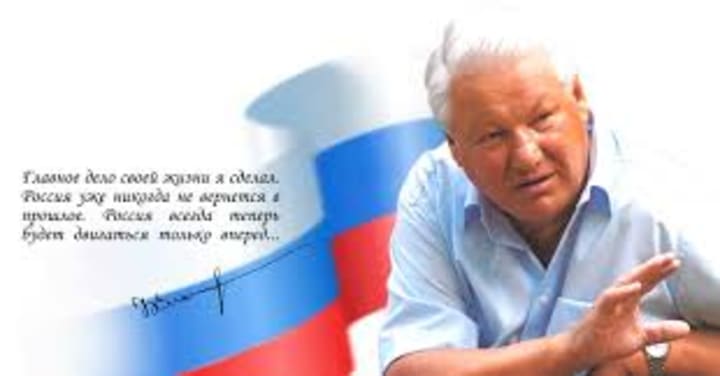
Yeltsin got tired in 1999, right on New Year’s Eve. “I’m tired, I’m leaving,” he said in his national address for the new year, and brought onto the Russian people a successor – a young KGB officer named Putin, with a lot of ambitions. Instead of making the people happier, he restored the KGB’s power and reach in the country, called it FSB, and started to sell Russian oil and gas right and left, corrupting the western elites with his money and promise of influence.
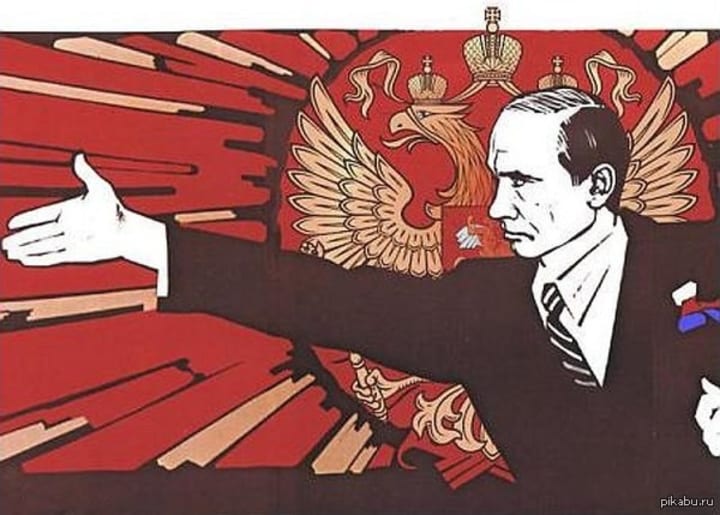
In early 2010s, when half of the world was poisoned with seemingly unlimited Russian money, Putin decided it was time to start restoring the greatness of the Soviet Union and spreading the new “Russian world” happiness everywhere. In 2008, Putin's seat warmer Medvedev grabbed about 1/3 of Georgia through a short but violent war. Inspired by the world's apathetic reaction to the land grab, Putin turned to Ukraine, first by annexing Crimea and sponsoring a “hybrid” war in Donbass in 2014, and later – escalating to a full-on war in 2022.
The Russian people are now being promised that happiness will come when all the Russian enemies (i.e. the entire western world represented by the NATO that is fighting Russia through its proxy Ukraine) are defeated and erased from the face of the earth. Over 100 years and five generations of killed, tortured, and deeply unhappy millions of people, but the promise still lives on…
About the Creator
Lana V Lynx
Avid reader and occasional writer of satire and short fiction. For my own sanity and security, I write under a pen name. My books: Moscow Calling - 2017 and President & Psychiatrist
@lanalynx.bsky.social
Keep reading
More stories from Lana V Lynx and writers in History and other communities.
Divorce By Combat
Let’s travel back in time, shall we? Imagine yourself in an open town square of the 15th-century Trier, Germany. The town square is full of people, clamoring in anticipation. You are about to watch a marital combat, a duel between a husband and wife.
By Lana V Lynx9 months ago in History
The Year 1979 in Review: Fun Facts, Trivia, and Historic Highlights
This quick read is a collection of fun facts, trivia, and historic events from the year 1979. Discover the year’s top news stories, most influential people, sports facts, the cost of living, erratic weather patterns, entertainment trivia, and much more.
By Gregory DeVictor5 days ago in History



Comments (6)
Great job of running down the list of leaders/dictators. 👏👏 Good story.
Excellent. Funny (thanks for the note on tone) and informative. I feel this could sell.
Love the ironic tone and telling of this, but supremely informative underneath. Fine work.
Fascinating piece. And I agree with Dhar. Well done.
Reading out loud made it seem much more interesting. Russia is seriously so delusional!
Very interesting