
Bizarre Medical Treatments from History: When Cures Were Deadlier Than Diseases
Unbelievable Remedies and the Perils They Brought: A Journey Through Historical Medical Misadventures

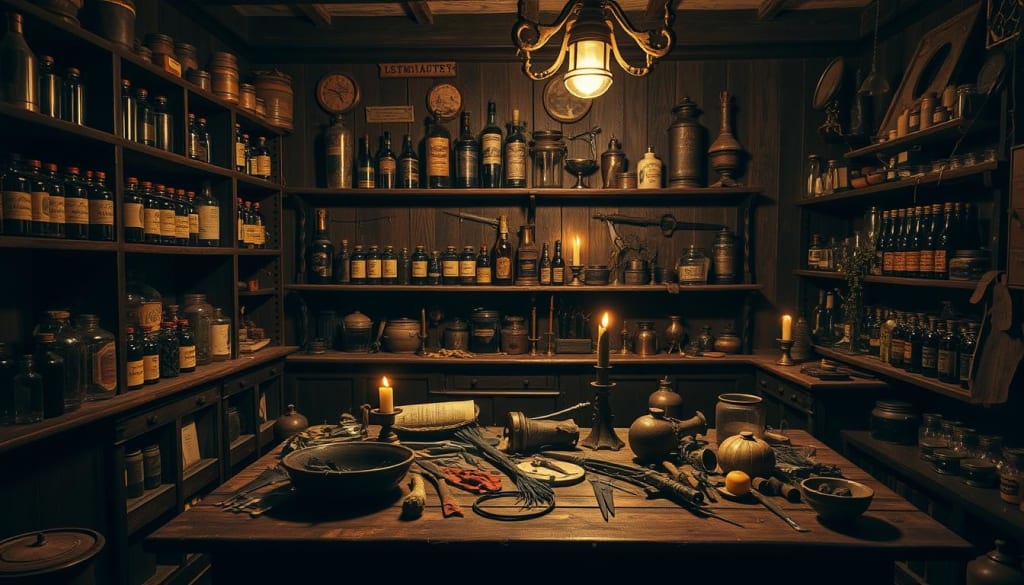
Imagine a time when treatments were more dangerous than the illnesses they aimed to cure. Welcome to the world of bizarre medical practices from the past. A young woman once sought relief for a headache and got a "cure" that involved drilling a hole in her skull. Sadly, the outcome was devastating.

This story shows how far medicine has advanced. Some treatments from the past were deadlier than the diseases they aimed to cure. We'll explore strange and shocking medical practices that were once considered advanced. Join us as we uncover how the quest for healing sometimes led to disaster.
Key Takeaways
- Bizarre medical treatments from history often proved more deadly than the diseases they were intended to cure.
- Practices like bloodletting, mercury poisoning, and radium therapy were once considered cutting-edge "cures".
- The medical field has come a long way, but the past is a sobering reminder of how the pursuit of healing can sometimes go horribly awry.
- Exploring the strange and shocking practices of historical medicine can provide valuable insights into the evolution of healthcare.
- Understanding the dark side of historical remedies can help us appreciate the advancements and ethical considerations in modern medicine.
Exploring the Realm of Bizarre Medical Treatments
From ancient bloodletting to early 20th-century radium therapy, medicine's history is full of odd treatments. These strange remedies, shocking today, were once seen as groundbreaking. They were considered advanced and revolutionary back then.
From Bloodletting to Radium Therapy: A Historical Perspective
Bloodletting was a common medical practice for a long time. It aimed to remove blood to cure illnesses. Practitioners thought it balanced the body's humors, keeping it healthy. But, it often caused more harm, leading to patient weakness or even death.
In the early 1900s, radium therapy was seen as a cure-all for many illnesses, from cancer to arthritis. Radium was called a miracle cure, and radium water was sold as a health drink. But, the risks of radiation were not known, leading to serious issues like radiation burns and cancer.
These odd medical treatments, once accepted, highlight the value of scientific knowledge. They remind us of the progress in healthcare. As we look at historical medicine, we appreciate the advancements in healthcare. We also see the ongoing effort to provide safe, effective treatments for humanity.
"The art of medicine consists of amusing the patient while nature cures the disease." - Voltaire
The Dark Side of Historical Remedies
In the past, the search for medical progress often had a high cost. Early doctors tried to help, but many treatments they used were actually worse than the illnesses they aimed to cure. Things like bloodletting and radium therapy were harmful, leaving patients in a worse state than before.
Back then, doctors didn't fully understand the human body or how diseases worked. So, they came up with treatments that seem shocking today. These included toxic substances and untested therapies. Even with good intentions, these "cures" often caused severe side effects, made conditions worse, or even led to death.
Looking back, we see the dark side of old medical practices. By learning from past mistakes, we value the huge strides in today's healthcare. We see the need for careful research and clinical trials. This story teaches us to always put patient safety and well-being first in medical progress.
FAQ
What are some of the most bizarre medical treatments from history?
Some bizarre medical treatments include bloodletting, trepanation, and radium therapy. These treatments were once seen as advanced but often harmed more than helped.
Why were these strange medical practices so widely accepted in the past?
These treatments were based on limited science and the hope they could cure diseases. The push for medical progress led to their use, even if they were dangerous.
What were the unintended consequences of some of these historical medical remedies?
These treatments had severe effects on patients. Bloodletting could cause too much blood loss and weaken the body. Radium therapy exposed patients to harmful radiation, leading to burns, cancer, and death.
How did the limited scientific knowledge of the time contribute to the development of these strange medical practices?
Limited knowledge about the body and disease causes led to these treatments. Without understanding the risks, doctors used untested methods to cure diseases.
Are there any surprising or little-known facts about these historical medical treatments?
Yes, there are many surprising facts. For example, some thought radium could fight aging and improve beauty, leading to beauty products with radium. Trepanation was also used to release "evil spirits" and treat diseases.
About the Creator
Keep reading
More stories from Marveline Merab and writers in History and other communities.
Women Warriors: WWII's Untold Story
During World War II, a group of women made history by breaking gender barriers. They became key players in the fight for freedom. These women, from fighters to pilots, were often left out of history books. But their bravery and sacrifice are crucial to the story of WWII.
By Marveline Merababout a year ago in History
"Game of Thrones: A Tale of Power, Betrayal, and Destiny"
In the vast and divided land of Westeros, power was everything. Noble houses ruled their regions, bound together by fragile alliances, old grudges, and a constant hunger for the Iron Throne—the seat of supreme authority. Though summer had lasted for many peaceful years, whispers of change moved with the cold wind. Winter, long feared, was coming.
By The best writer 5 days ago in History
Why Pastor Collar Shirts Are Essential for Modern Church Leaders
In today’s modern church, appearance matters just as much as message. Church leaders are expected to look respectful, approachable, and professional at all times. Clothing plays a big role in creating this image. Among all clerical outfits, pastor collar shirts stand out as one of the most important garments for church leaders. These shirts are not only a symbol of faith and authority, but they also provide comfort, confidence, and identity.
By Sameera eclergys3 days ago in History
Silver Screen Magic with Mae West
American actress and singer Mae West became a popular film actress during the Great Depression. She started entertaining in vaudeville, then performed on Broadway, and finally went to Hollywood. She signed up with Paramount Pictures and made her debut in the 1932 film “Night After Night.” She also starred in musicals, comedies, and crime dramas. The American Film Institute named her one of the best classic Hollywood actresses.
By Rasma Raisters5 days ago in Geeks




Comments
There are no comments for this story
Be the first to respond and start the conversation.