
Apollo
Apollo, the Greek God of Light and the Arts: Inspiring Beauty and Harmony
Introduction:
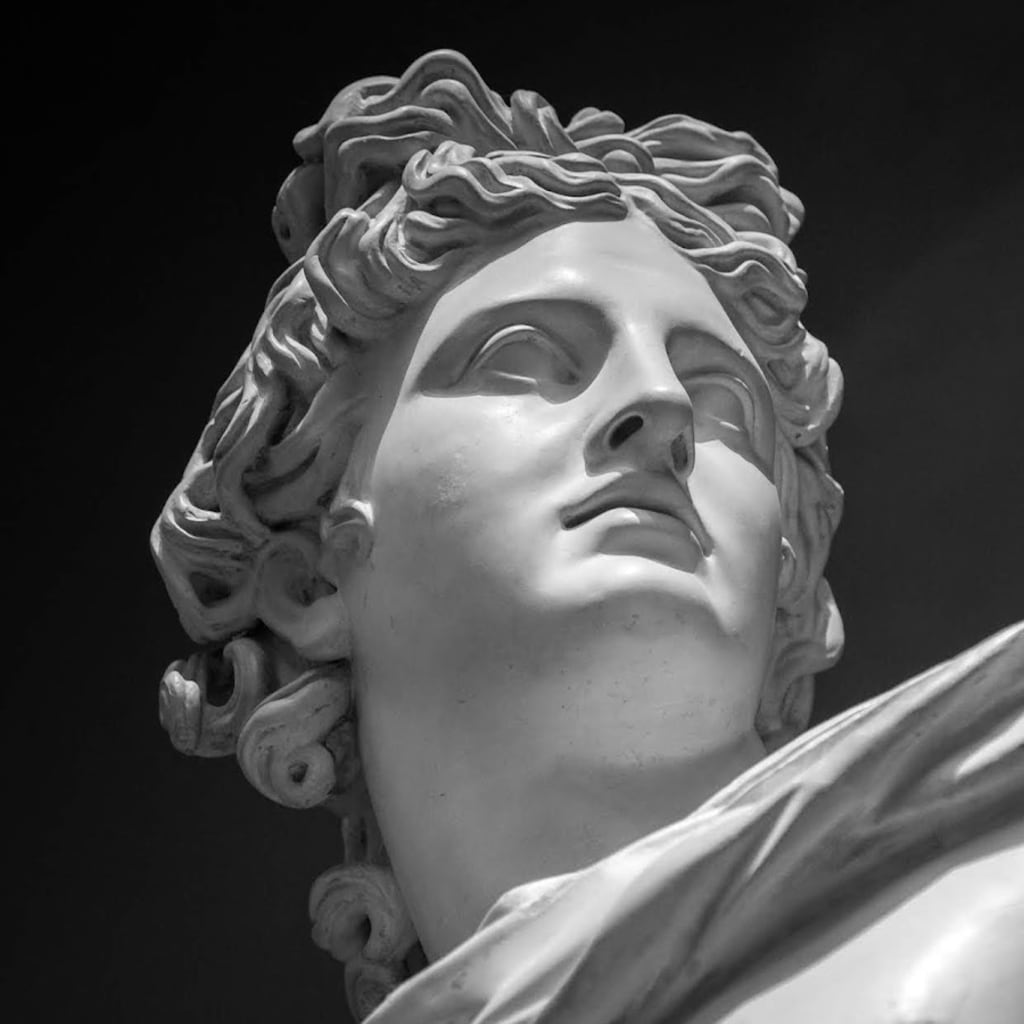
In the rich tapestry of Greek mythology, few gods shine as brightly as Apollo. Known as the god of light, music, poetry, and prophecy, Apollo's radiance illuminates the realm of the divine. With his multifaceted talents and captivating presence, Apollo captivates the imagination and inspires awe. In this comprehensive exploration, we delve into the many facets of Apollo's character, his divine domains, his relationships with other gods and mortals, and the lasting impact of his influence on art, culture, and spirituality.
I. Origins and Lineage:
Apollo, the son of Zeus and Leto, was born on the island of Delos. His twin sister Artemis, the goddess of the hunt, shared a close bond with him. Apollo's divine parentage connected him to the Olympian pantheon, granting him immense power and authority. As a member of the 12 major gods and goddesses, Apollo held a revered position among his divine peers.
II. Divine Attributes and Symbols:
Apollo was associated with various symbols and attributes that represented his multifaceted nature. The most prominent symbol was the sun itself, as Apollo was often depicted as the radiant sun god. The golden chariot driven by Apollo across the sky brought warmth and light to the world. Another significant symbol was the lyre, a stringed instrument played by Apollo, symbolizing his mastery of music and poetry. The bow and arrows were also closely associated with Apollo, signifying his connection to archery, warfare, and healing.
III. Domains and Roles:
Apollo's dominions encompassed several interconnected realms. As the god of light, he personified the life-giving force of the sun, bringing illumination and vitality to the world. Apollo's association with music and poetry made him the patron of the arts, inspiring musicians, poets, and artists to create works of extraordinary beauty. His divine gifts of prophecy and divination made him the god of oracles, with the most famous being the Oracle of Delphi, where he spoke through the Pythia, a priestess, to provide guidance and foresight.
IV. Apollo in Mythology:
Apollo's presence is interwoven throughout Greek mythology, with numerous tales depicting his interactions with gods, goddesses, and mortals. One of the most famous stories involving Apollo is his conflict with the Python, a monstrous serpent that guarded the Oracle of Delphi. Apollo slayed the Python, establishing his dominion over the oracle and assuming his role as the god of prophecy.
Apollo's love affairs were also a prominent theme in mythological tales. His pursuit of the nymph Daphne, who transformed into a laurel tree to escape his advances, showcases his passionate nature and the consequences of unrequited love. Similarly, the tragic romance between Apollo and the mortal woman Coronis, which ultimately led to her demise, demonstrates the complexities of love and mortality.
V. Apollo's Relationships with Mortals:
Apollo's interactions with mortals were diverse, ranging from benevolent guidance to harsh punishment. He was known for his healing abilities and often aided those afflicted with diseases or injuries. As the god of music and poetry, Apollo inspired bards and musicians, bestowing them with artistic talents and creativity. His presence in the mortal realm was both revered and feared, as his wrath could be unleashed upon those who incurred his displeasure.
VI. Apollo in Art, Culture, and Worship:
Apollo's influence extends beyond mythology into various aspects of human culture. In ancient Greece, he was a central figure in art, with countless sculptures and paintings capturing his radiant beauty. His association with music and poetry resonates through the ages, inspiring composers and writers to create works of sublime artistry. The Oracle of Delphi, dedicated to Apollo, held immense cultural significance, attracting visitors from all corners of the ancient world seeking guidance and wisdom.
VII. The Legacy of Apollo:
Apollo's legacy endures through the centuries, with his symbolism and attributes finding their way into modern culture. His representation of light, music, and prophecy continues to inspire creativity, spirituality, and personal growth. Apollo's pursuit of beauty, harmony, and intellectual enlightenment serves as a timeless reminder of the human desire for transcendence and meaning.
Conclusion:
Apollo, the radiant god of light, music, and prophecy, occupies a cherished place in Greek mythology and beyond. His multifaceted nature, divine domains, and intricate relationships with gods and mortals make him a captivating figure of inspiration and awe. Apollo's influence permeates art, culture, and spirituality, reminding us of the enduring power of beauty, creativity, and the pursuit of knowledge. As we explore the realms of music, poetry, and divination, we find ourselves drawn to Apollo's radiant presence and the eternal truths he represents.
About the Creator
Keep reading
More stories from Victoria and writers in History and other communities.
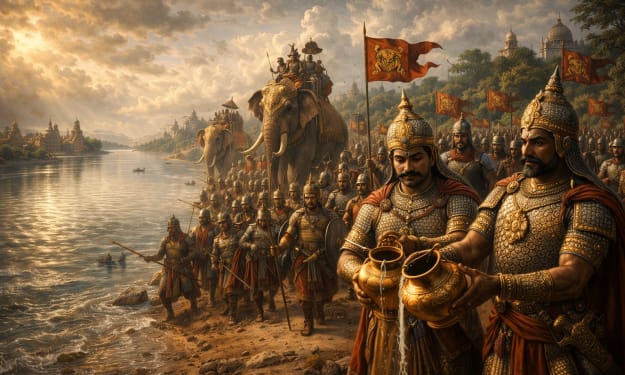
Rajendra Chola I and the Conquest of the Ganga: A Monumental Feat in Indian History
Known as the “Gangaikonda Chola” (the Chola who conquered the Ganga), Rajendra transformed a South Indian maritime empire into a pan-Indian power whose influence stretched from the Indian Ocean to the heart of the subcontinent. This campaign was not merely a military raid but a bold statement of imperial ambition, strategic brilliance, and cultural confidence.
By Say the truth 6 days ago in History



Comments (1)
Must Read https://shopping-feedback.today/history/napoleon-the-conqueror-s-ambition%3C/span%3E%3C/span%3E%3C/span%3E%3C/a%3E%3C/p%3E%3C/div%3E%3C/div%3E%3C/div%3E%3Cstyle data-emotion-css="w4qknv-Replies">.css-w4qknv-Replies{display:grid;gap:1.5rem;}