
After World War 4: Rebuilding a Broken Planet
Part-2 — A Glimpse into Humanity’s Next Beginning

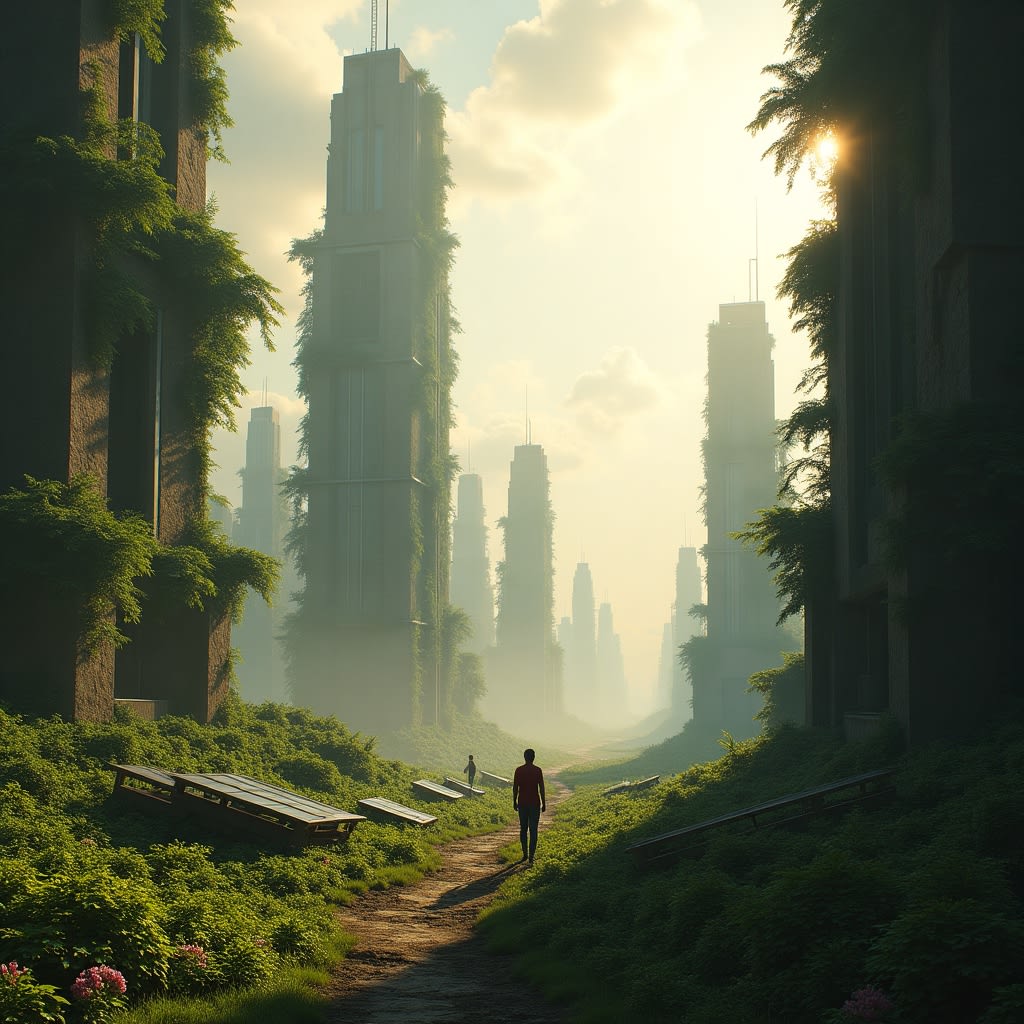
After World War 4: Rebuilding a Broken Planet
When the smoke finally cleared and the last missiles fell silent, the world was no longer recognizable. Cities had become skeletal ruins, communication lines were severed, and nations that once boasted advanced armies now struggled to find clean drinking water. World War 4 did not just destroy buildings — it shattered trust, identity, and the core values humanity once held sacred.
For centuries, conflict evolved technologically, but after this war, something far more destructive emerged: the emotional and psychological scar of a global betrayal. Countries that once cooperated became suspicious shadows of their former selves. Technology, once a force of progress, had been weaponized to its absolute limits. Drone armies, orbital bombardment satellites, AI-guided missiles — all contributed to the largest self-inflicted wound humanity had ever experienced.
As months turned into years, survivors began crawling out of underground bunkers. Some carried handwritten journals documenting their time in isolation. Others emerged pale, trembling, and confused, staring at landscapes they no longer recognized. Roads were cracked, forests burned, and wildlife scattered. The Earth seemed tired, exhausted, breathing heavy from centuries of exploitation and those final years of intense warfare.
A New Dawn of Small Nations
What had once been superpowers no longer existed. Instead, society splintered into dozens of small, self-governing regions. These weren’t nations in the traditional sense — they were communities defined by shared trauma. Local leaders emerged, but not with flags or speeches. Instead, leadership belonged to those with practical knowledge: farmers, engineers, doctors.
Borders dissolved, replaced by makeshift agreements. The idea of passports or national pride became meaningless. Survival became the new currency.
Technology: Reset and Rebirth
Ironically, despite the destruction caused by advanced weaponry, technology also became the tool of recovery. Repurposed robotics helped clear radioactive zones. Solar panels became the backbone of energy systems in regions where power grids had collapsed.
Artificial intelligence, blamed heavily for the war’s escalation, found redemption. Controlled by community oversight rather than governments, AI assisted in rebuilding infrastructure, optimizing scarce resources, and restoring lost medical knowledge.
In schools — rebuilt from shipping containers and recycled materials — children learned history differently. Instead of glorifying soldiers and empires, they studied empathy, conflict resolution, and environmental stewardship. Humanity finally understood that progress is worthless if it doesn’t benefit the planet and all living beings.
Ecological Awakening
World War 4 forced humanity to confront an inconvenient truth: the Earth would not tolerate endless abuse. With fewer humans and less industrial activity, nature slowly began to heal. Rivers cleared over time, skies turned blue again, and birds returned to cities that had once drowned in smoke.
People began to worship nature not in a religious sense, but in reverence. Renewable energy farms grew like forests. Urban planning centered around sustainability. Humanity no longer dominated Earth — it cooperated with it.
The Transformation of Culture
Music became slower, softer, filled with reflection. Literature mourned what was lost but celebrated what remained. Art emerged from recycled metal and broken glass — painful reminders molded into something beautiful.
People stopped asking, “Who won the war?” because everyone knew the truth: no one did. Victory became a concept replaced by survival and understanding.
Relationships deepened. With limited resources, families grew closer, communities shared everything — food, knowledge, even grief. The concept of “my” shifted into “our.”
Spirituality’s Return
In the ruins of destroyed churches, mosques, and temples, people gathered not for ceremony but for healing. Religion evolved into something universal: compassion, humility, respect, forgiveness. Spiritual leaders didn’t preach separation but unity.
Humanity realized that every scripture carried the same message — and that ignoring it had led to disaster.
Global Council: The Last Experiment
Well into the future, leaders from fragmented regions met under the banner of the Global Council. This wasn’t like the United Nations of the past. There were no speeches for cameras, no politics. Decisions were made in silence, through collaborative meditation, scientific reports, and mutual respect.
Weapons of mass destruction were banned, not by law, but by unanimous fear. Every adult carried memories of the last war. Those memories were the new constitution.
Hope — Fragile but Alive
Children born after the war never witnessed the brutality firsthand. They learned about it in schools the way we once studied ancient civilizations. They grew up seeing forests instead of factories, community gardens instead of concrete jungles.
They dreamed differently. Their imaginations weren’t shaped by power fantasies, but by possibilities — renewable cities, interplanetary peace networks, and new forms of democratic cooperation.
Slowly, quietly, humanity healed.
The Final Lesson
If World War 4 taught anything, it was this:
Civilization is not defined by what we build…
but by what we choose not to destroy.
The world after such a cataclysm didn’t just rebuild structures — it rebuilt the soul of humanity.
About the Creator
Wings of Time
I'm Wings of Time—a storyteller from Swat, Pakistan. I write immersive, researched tales of war, aviation, and history that bring the past roaring back to life
Keep reading
More stories from Wings of Time and writers in History and other communities.
The Honest Merchant of Madinah
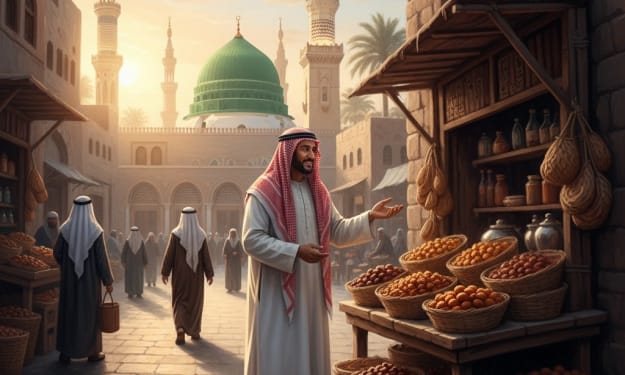
The Honest Merchant of Madinah In the heart of ancient Madinah, when the streets were filled with the warm scent of dates and the hum of traders’ voices, lived a man known not for his wealth but for his truth. His name was Saalim — a simple merchant whose small shop stood near the mosque. He sold dates, grains, and sometimes perfume brought by travelers from Yemen.
By Wings of Time 3 months ago in History
Mercury and the Chinese Imperial Kings: Power, Immortality, and a Deadly Obsession
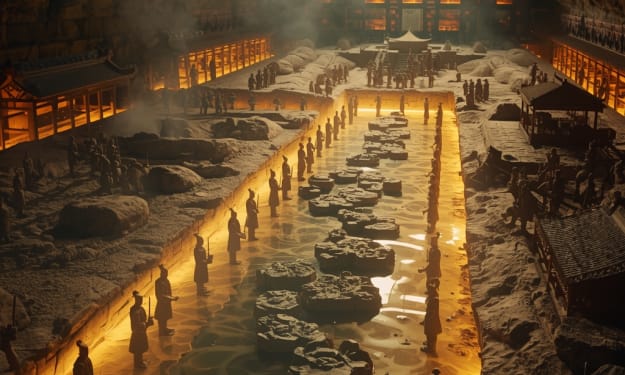
This article explores why Chinese imperial kings valued mercury, how it was used in medicine, alchemy, governance, and burial practices, and the profound consequences of this fascination.
By Say the truth 7 days ago in History


Comments
There are no comments for this story
Be the first to respond and start the conversation.