
Africa's Natural Resources: A Wealth of Diversity and Potential
Africa's Natural Resources: A Wealth of Diversity and Potential
Introduction
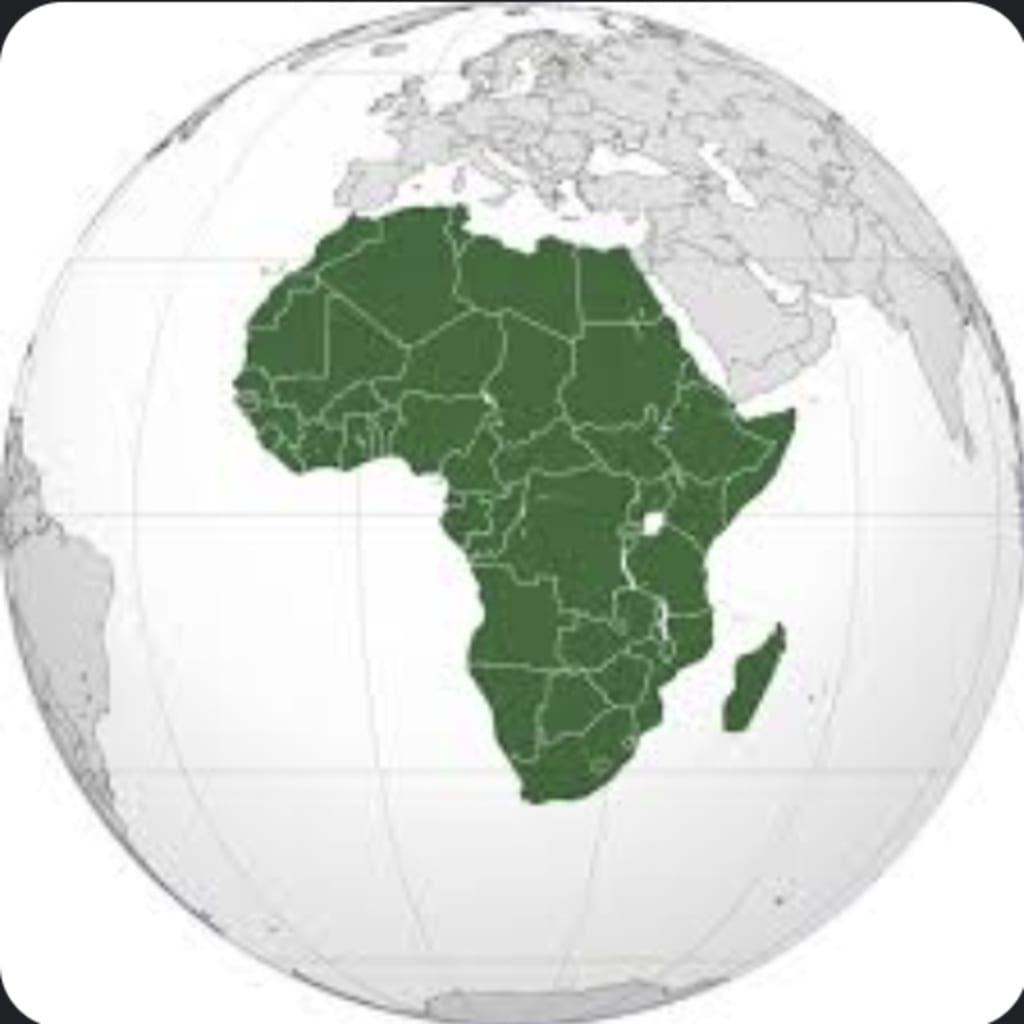
Africa, often referred to as the "Mother Continent," is renowned for its stunning landscapes, rich cultural heritage, and abundant natural resources. With its vast reserves of minerals, metals, oil, and fertile land, the continent plays a pivotal role in global resource supply. This article delves into the diverse array of natural resources found in Africa, highlighting their significance, challenges, and the potential they hold for the continent's sustainable development.
Mineral Wealth
Africa boasts an extraordinary wealth of mineral resources that have shaped economies and industries worldwide. The continent is a leading global producer of minerals such as gold, diamonds, platinum, and manganese. South Africa, in particular, stands as a key player in the mining sector, with its Witwatersrand Basin hosting the world's largest known gold reserves. However, the mining industry often faces challenges, including environmental concerns, conflicts over resource ownership, and the need for equitable distribution of benefits to local communities.
Oil and Gas Reserves
Africa's oil and gas reserves are critical drivers of its energy sector and the global energy market. Countries such as Nigeria, Angola, and Algeria hold significant oil reserves, contributing to global oil supply. While oil revenue has the potential to bolster economies, it also brings challenges like corruption, mismanagement, and environmental degradation. Diversifying economies beyond oil dependency remains a pressing need to ensure long-term sustainable development.
Agricultural Abundance
The continent's fertile lands and diverse climates support a wide range of agricultural activities. From cocoa in Ghana to coffee in Ethiopia, Africa's agricultural products are vital for both local consumption and international trade. However, inadequate infrastructure, limited access to modern farming techniques, and land degradation pose hurdles to unlocking the full potential of African agriculture. Investment in agricultural innovation and sustainable practices is crucial for food security and economic growth.
Renewable Energy Potential
Africa's renewable energy potential is immense, thanks to abundant sunlight, wind, and hydroelectric resources. Solar energy projects, such as Morocco's Noor Ouarzazate Solar Complex, demonstrate the continent's commitment to harnessing sustainable energy sources. Access to electricity remains a challenge for many African communities, and leveraging renewable energy can bridge this gap while mitigating the environmental impact of traditional fossil fuel consumption.
Biodiversity and Wildlife
Africa's biodiversity is unparalleled, encompassing a wide range of ecosystems from savannas to rainforests. The continent is home to iconic wildlife species like elephants, lions, and rhinos. Safeguarding this biodiversity is vital for ecological balance and the thriving tourism industry. Conservation efforts, community engagement, and combating illegal wildlife trade are critical to ensuring the longevity of these precious resources.
Challenges and Sustainable Development
Despite its wealth of resources, Africa faces numerous challenges in effectively managing and benefiting from its natural assets. Poor governance, corruption, inadequate infrastructure, and lack of value addition in resource processing hinder progress. Environmental degradation, driven by unsustainable resource extraction, further exacerbates these challenges.
To achieve sustainable development, African nations must focus on several key areas:
1. Transparency and Good Governance:
Enhancing transparency and accountability in resource management can help curb corruption and ensure that resource revenues are reinvested for the public good.
2. Investment in Education and Innovation:
Equipping the workforce with relevant skills and knowledge is crucial. Investing in education, technology, and research can drive innovation and facilitate value addition in resource processing.
3. Community Engagement:
Involving local communities in resource management decisions fosters a sense of ownership and ensures that benefits are shared equitably.
4. Environmental Conservation: Implementing sustainable resource extraction practices, protecting ecosystems, and promoting eco-friendly technologies are vital for long-term environmental health.
5. Diversification:
Economic diversification beyond reliance on a single resource can make economies more resilient to fluctuations in global markets.
Conclusion
Africa's natural resources are a source of immense potential and promise for the continent's growth and development. From minerals to renewable energy sources, these resources are drivers of economic progress and innovation. However, to fully harness their benefits, African nations must address challenges related to governance, environmental sustainability, and equitable distribution of wealth. By implementing responsible and forward-looking policies, Africa can utilize its natural resources as a catalyst for sustainable development, ensuring a prosperous future for its people and the world.
About the Creator
Keep reading
More stories from Abbaty Sambo and writers in History and other communities.
Navigating the Depths of Heartbreak: Finding Healing and Hope
Introduction Heartbreak, a profound emotional experience that transcends time and culture, is an inevitable part of the human journey. Whether it stems from the end of a romantic relationship, the loss of a loved one, or even shattered dreams, a broken heart can leave us feeling emotionally devastated. This article delves into the facets of heartbreak, its impact on mental and physical well-being, and offers insights into the process of healing and moving forward.
By Abbaty Sambo3 years ago in History
Three Pakistani Women Explore Egypt in Wheelchairs, Challenging Stereotypes
Traveling across a foreign country can be challenging for anyone, but for three Pakistani women who use wheelchairs, it became a powerful statement of courage, independence, and resilience. Their journey to Egypt was not just a vacation—it was a mission to challenge social perceptions and inspire others living with disabilities.
By Irshad Abbasi 7 days ago in History



Comments
There are no comments for this story
Be the first to respond and start the conversation.