
A Season for Us
A love lost in time. A season that brought it back


The first leaf fell in late September.
It spiraled slowly to the ground, golden and precise, like nature’s own clock announcing the change. Nora stood on her porch with a cup of coffee in her hands and watched it land softly on the wooden steps. She smiled faintly. Autumn had always been her favorite. It was the season of crisp mornings, orange skies, and quiet endings. But this year, it also brought Jack back.
It had been three years since he left Maple Hill, chasing a job offer in New York that neither of them could refuse. At first, there were weekend visits, long phone calls, promises scrawled into the late hours of the night. But slowly, life got louder and their voices faded. The silence settled in, and eventually, so did the absence.
Until now.
Nora first saw him again at the town’s harvest festival, the one they always went to together. She hadn’t expected him to show up, hadn’t even known he was back in town, but there he was — holding a caramel apple, looking like a memory she’d locked away and forgotten how to open.
Their eyes met across the crowd. And everything paused.
They talked that night, sitting on the old bench behind the church, the one with their names carved into it. It felt both new and familiar — like leafing through a favorite book and finding a page you’d never read.
“I didn’t come back for a visit,” Jack said finally, his voice careful.
Nora looked at him, quiet. “Then why?”
He shrugged. “I’m tired of living a life that doesn’t feel like mine. The city’s fast. Loud. Always wanting more. But you… this place… it feels like home.”
And just like that, autumn became more than a season. It became a second chance.
The weeks that followed were tender, like early frost. They didn’t rush things. Nora still opened her bookstore each morning and Jack took a job helping his uncle fix up the town’s aging bed and breakfast. They walked together in the evenings, sometimes in silence, sometimes talking until the stars came out.
They relearned each other.
Nora had become softer, more patient with the world. Jack had grown quieter, his ambition tempered by the cost of chasing it. They no longer tried to fix what had broken — instead, they chose to grow something new.
One Sunday afternoon, they went apple picking at the orchard where they used to spend hours as teenagers. The sun filtered through the trees in warm streaks, painting everything in gold. Jack reached up to grab a ripe red apple and handed it to her.
“Do you think we’re just falling back into old habits?” he asked.
Nora turned the apple in her hands. “No,” she said. “Habits don’t feel this new.”
By mid-October, the trees had exploded into fire-colored brilliance. The town glowed under layers of amber and rust, and so did their hearts.
Jack started painting again — something he hadn’t done in years. He set up a small studio in the garage behind Nora’s house and filled canvas after canvas with scenes of Maple Hill. Nora, in turn, wrote short stories inspired by the places they visited — stories about love that returned like migrating birds.
One evening, they hosted a dinner for their closest friends. The backyard was lit with string lights, and the table was set with mismatched plates and hand-picked flowers. As they toasted to the season, Nora realized how strange it was — how absence could stretch the heart, but not break it.
After everyone had gone, Jack stayed behind to help clean up. He reached for her hand as they gathered the last of the dishes.
“I don’t want this to be temporary,” he said.
She looked at him. The words hung between them like frost on a windowpane — delicate, waiting to be touched.
“It doesn’t have to be,” she whispered.
By the time November rolled in, the town had prepared for winter. The leaves had mostly fallen, the trees bare and reaching. But inside Nora’s house, warmth lingered. Laughter returned to her walls. And when Jack placed a small, quiet ring in her hand one foggy morning — not with a speech, not with grandeur, but with a simple look and a steady voice — she didn’t need time to say yes.
They were not what they used to be. But they were something better — something real.
And so, when the snow finally came and blanketed the hills in white, it didn’t feel like an end.
It felt like the beginning of a season that stayed.
About the Creator
The Tidewater Creole People
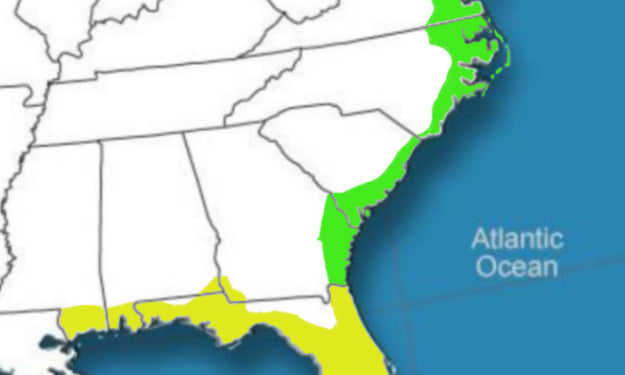
The Tidewater Creole people are descendants of early Black communities of the Tidewater Region from the 1620s and onwards into the future in coastal Virginia, the Carolina Coast, coastal Georgia, coastal Maryland and Delaware, and the Southern New Jersey Shore.
By Gracebelle White7 days ago in History



Comments
There are no comments for this story
Be the first to respond and start the conversation.