
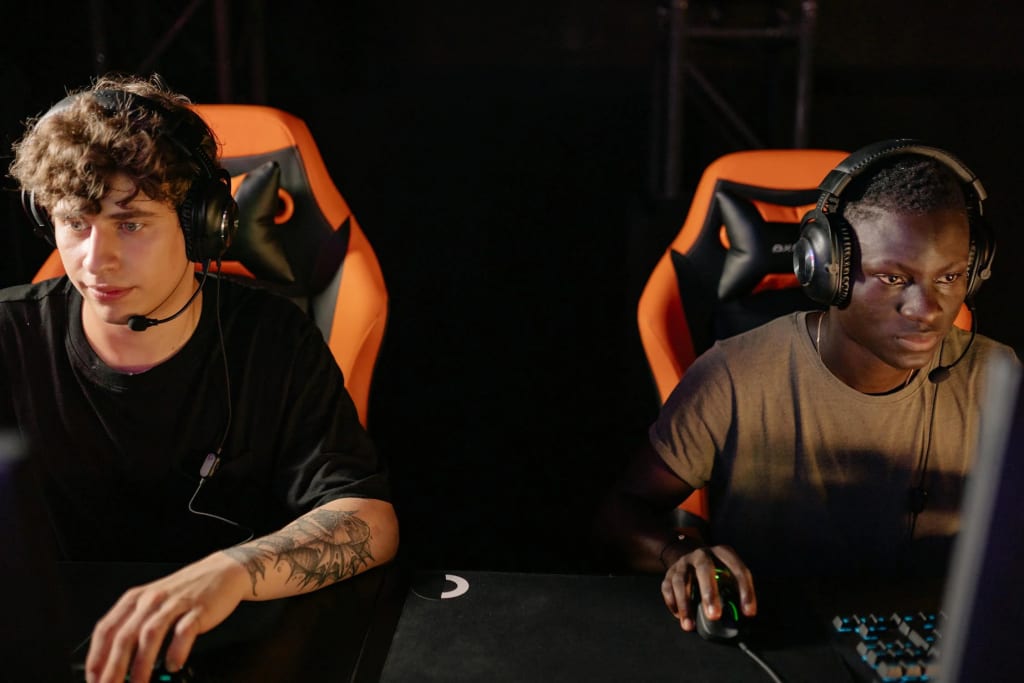
There’s never been a better time to be a gamer. Since the turn of the century, video games have become the cornerstone of the entertainment industry. Thanks to the rollout of mobile games, in particular, just about everyone has a game downloaded and accessible with a few clicks. But within the realm of eSports, the industry has changed considerably.
Back in the early 2000s, most competitive gaming focused on classics like fighting games and even collectible card games. Technology was limited, meaning competitive multiplayer matches needed the support of LAN connections. Today, however, that’s not the case. Though most eSports matches take place at a live location, boosted connectivity around the world has enabled dozens of eSports leagues (for PCs, consoles, mobile, and more) to take off.
As of 2024, there are around 100 active eSports leagues dotting the globe. This spans a huge range of categories, from the official Olympic Esports Week events to larger-than-life events like DreamHack. Some of the best teams and players receive international attention and gain millions of followers as they lead their teams to success. But how do eSports players make it to this upper echelon of professional gaming?
Defining the Pro Gamer
Let’s quickly define what makes a professional video gamer, AKA an eSports athlete. After all, the gaming industry is quite diverse. A poker professional, for example, who makes a living playing Texas Hold’em online and in tournaments isn’t quite the same as an eSports pro. By contrast, poker professionals are largely solitary, developing their skills through experience. Though they might take on sponsorships later on, they don’t work on teams or for gaming organizations.
eSports players, by contrast, earn their primary income from competing on a team and in tournaments. Unlike poker pros, they’ll be recruited by leading teams and organizations, which offer them the needed support to improve and excel. From there, they’re subject to regular reviews based on their statistical output in games and might be cut from the top team.
In fact, the journey to become a pro eSports player closely resembles the trajectory of many athletes—even if their jobs are very different. Let’s take a look at how players go pro.
Phase One: Training & Recruitment
eSports players must combine their natural love of gaming with a strong level of discipline. It’s not uncommon for young players to join communities and even camps that help them improve their skills. The goal is to strengthen the necessary tactics in their preferred game, then catch the attention of a recruiter. Usually, this is done via game streaming on platforms like Twitch and YouTube.
Phase Two: Joining a Team
From there, an eSports player might be signed to a team or an organization on a temporary contract. Think of this like being drafted by a pro sports team, then lent out to their minor league affiliate. Many players must continue developing their skills before they’re ready for the A-team. Some gaming organizations actually house these eSports hopefuls in the same home or building to streamline their training regimes.
Phase Three: Making the Cut
Once a player begins to refine their skill sets, they might be pulled up to perform on a team’s frontline. Just like a professional athlete, something that coaches and team members will look for is an ability to handle the pressure—even if the cards are down, so to speak. In other words, players need to embody the type of competitive mentality that athletes do, even if their technical skills are proficient.
Phase Four: Building Fame & Earnings
Once a player has proved their worth to their teammates both during training and at live matches, then it’s time to take their branding to the next level. At the moment, most eSports athletes make less than their athlete counterparts from the major leagues (though this is changing). However, they’re still able to sign contracts and sponsorships outside of their official organizations. This allows them to build a level of personal fame and support their earnings.
About the Creator
Keep reading
More stories from Shafiq Buttg and writers in History and other communities.
The Future of Oil in Australia: Trends and Forecasts
Introduction to the Oil Industry in Australia Welcome to the world of black gold Down Under! Australia's oil industry has been a key player in the global market for decades. From exploration and production to refining and distribution, the country's oil sector is a complex web of activity that influences both its economy and environment. In this blog post, we will delve into the current trends, future forecasts, challenges, government policies, and alternative energy sources shaping the future of oil in Australia. So grab your virtual hard hat as we dig deep into the dynamic landscape of Australia's oil industry! Read More; sound proof panels
By Shafiq Buttg2 years ago in History
Balloonfest 1986
Balloonfest 1986 was meant to be a joyful celebration. It was planned as a world record attempt and a symbol of hope, fun, and community spirit. Instead, it became one of the most famous examples of how a good idea can go wrong when nature is underestimated.
By shaoor afridi5 days ago in History



Comments
There are no comments for this story
Be the first to respond and start the conversation.