
A History of Jewish Persecution
Shakespearean Epoch

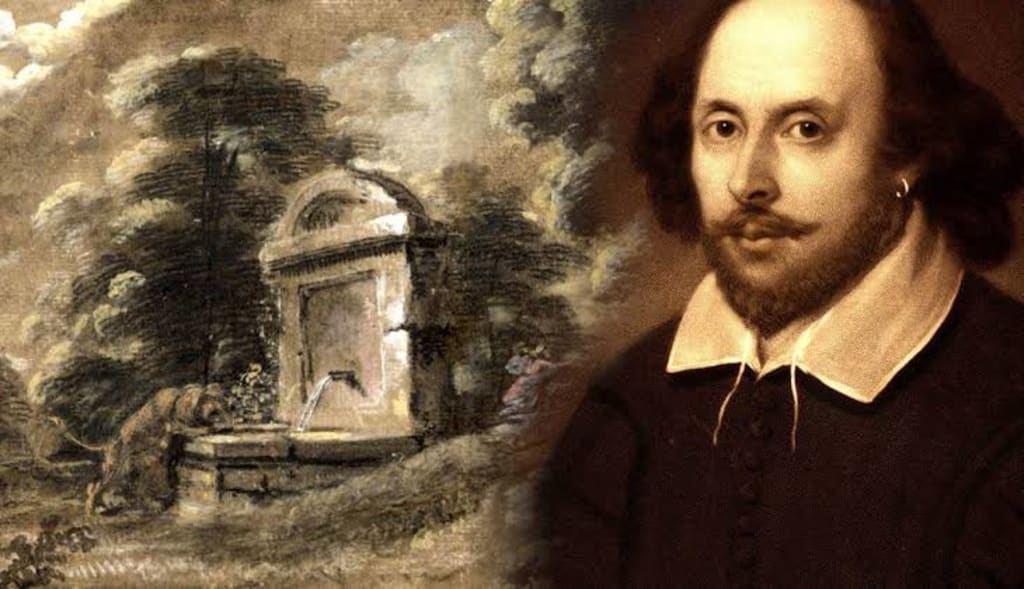
This article embarks on a historical exploration of Jewish persecution, spanning from the intricate times of Shakespeare to the tragic chapter of the Holocaust. Delving into the challenges faced by Jews across centuries, from the unjust trial of Dr. Rodrigo Lopez in the 16th century to the devastating genocide of the 20th century, we reflect on the enduring impact of these injustices. Moreover, we contemplate the profound lessons they hold for constructing a world devoid of discrimination and hatred, emphasizing the crucial values of tolerance and understanding.
Shakespeare's plays, masterpieces that have withstood the test of time, bear the indelible imprint of the historical milieu in which they were crafted. Notably, the rise of Venice as a formidable trading republic in Shakespeare's era serves as a significant backdrop. The city's prosperity burgeoned through the exchange of European goods for exotic treasures from distant lands – spices, silks, and jewels. Venice, distinguished for its justice system, stood out with its strict and impartial enforcement of laws, fostering an environment where foreign traders had confidence in the fair treatment of their rights.
Unlike many other Christian nations of the time, Venice refrained from persecuting Jews. Instead, they were accorded specific legal rights, albeit contingent upon a fee. In 1516, recognizing the Jewish community, the Venetian authorities allocated a district named the ghetto nuovo. Here, Jews could freely practice their religion, conduct their own services in line with Jewish rites, and establish a sense of community.
The Jews of Venice experienced a level of freedom seldom seen in Europe during that era. Engaging in trade, protected by law from physical harm, and cultivating amicable relations with Christians, they played a pivotal role in the city's economic and intellectual landscape. However, these privileges were tempered by significant restrictions, including nightly confinement within the ghetto, the prohibition from property ownership, and the obligation to seal windows facing outside the ghetto. Additionally, each Jew was mandated to display a yellow spot on their back or, if concealed, wear a yellow hat or turban (later changed to red). Though many of these restrictions were eventually lifted during Shakespeare's lifetime, Venice undoubtedly reaped substantial benefits from its Jewish population.
In the twentieth century, the term "ghetto," initially denoting Venice's Jewish quarter, assumed a broader connotation. It came to symbolize any densely populated area where residents face constraints, evolving into a poignant representation of oppression and segregation that transcends its historical origins.
Usury, the lending of money for interest, emerged as another contentious issue during Shakespeare's time. The Christian church vehemently denounced usury, deeming it immoral as it allowed individuals to amass wealth without labor. Sir Francis Bacon, a contemporary of Shakespeare, delved into the intricacies of this debate in his renowned essay 'On Usury.' Bacon highlighted the prevalence of usury despite public condemnation, underscoring its indispensable role in supporting European governments. In this context, Shakespeare's own experiences are noteworthy, as his theater company, responsible for constructing the Globe, grappled with the challenges of repaying borrowed money with interest.
As we intertwine these historical narratives, a richer comprehension of Shakespeare's time emerges. The flourishing of Venice as a bustling trade hub, the treatment of Jews within its walls, and the debates on usury all contributed to the multifaceted backdrop that influenced Shakespeare's works. These threads, woven into the fabric of history, underscore the intricate interplay of societal structures, prejudices, and economic discourse in shaping the cultural and literary landscapes of different epochs.
In conclusion, Shakespeare's timeless creativity shines through in his satirical treatment of touchy racial matters, notably depicted in characters like Shylock. The Bard's nuanced approach allows for a profound exploration of prejudice, offering a timeless lens through which we reflect on societal biases. Shakespeare's legacy endures as a masterful commentator on the complexities of human relations.
About the Creator
Bagwasi Dennis
I delve into the realms of fiction, psychology,health, lifestyle, music, art, science, and AI. If you appreciate the eclectic blend of insights, consider joining this community.
Follow me on X @dennisbagwasi
Subscribe for FREE to stay tuned.
Keep reading
More stories from Bagwasi Dennis and writers in History and other communities.
The Near Future
Bill Gates is a visionary who has shaped the world of technology for decades. He has a bold idea for the future of artificial intelligence (AI): a world where everyone has their own smart robot "agent" that can do anything for them. He believes that AI will become much smarter and more helpful in the next five years. But is his idea realistic or too optimistic? What are the benefits and challenges of having such powerful AI agents?
By Bagwasi Dennis2 years ago in Futurism


Comments
There are no comments for this story
Be the first to respond and start the conversation.