
7 Most Mysterious Places Scientists Still Can't Explain
7 Mysterious Places Baffling Scientists Today

Throughout history, the world has been home to remarkable places that have both captivated and confounded humanity. From ancient temples with giant footprints to enigmatic structures built by civilizations long gone, these extraordinary sites challenge our understanding of the past. While scientists and historians excel at unraveling the mysteries of the world, there are still some places that remain elusive and inexplicable, leaving us with more questions than answers.
In this blog post, we will embark on a journey to explore a collection of these strange and wonderful locations scattered across the globe. These are the places that have stumped experts, defied conventional knowledge, and sparked wild theories and legends. From the hybrid trees in Casorso, Italy, to the abandoned pyramid in Mexico City, we will delve into the fascinating enigmas that surround each site and seek to understand the allure and mystique that draws people from all corners of the world.
The Two Trees in Casorso, Italy - A Marvel of Nature's Unexplained Harmony
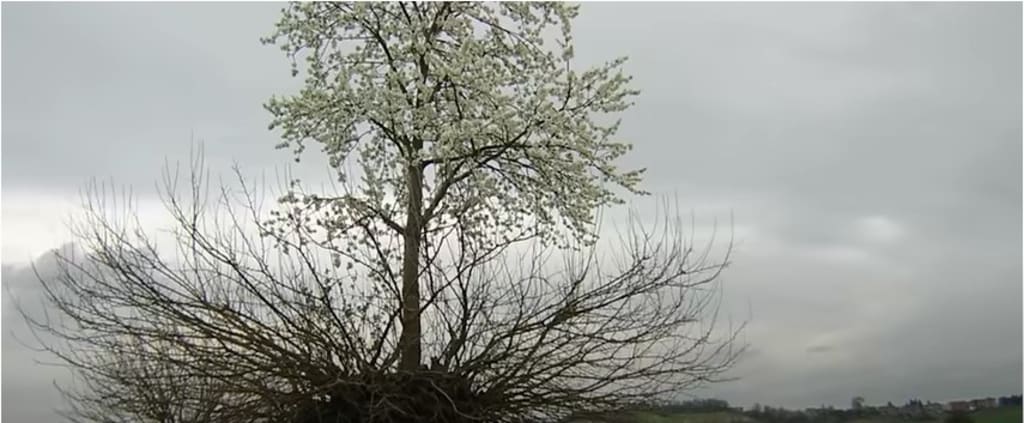
The picturesque countryside of Casorso, Italy, lies an awe-inspiring sight that leaves both scientists and tourists alike bewildered—the Two Trees of Casorso. In this section, we will venture into the heart of this remarkable phenomenon and explore the mysterious harmony that exists between these two trees, each from different species, cohabiting in an inexplicable union.
The Astonishing Hybrid Duplex: The Two Trees of Casorso are a testament to nature's occasional unpredictability and creativity. At first glance, the sight is nothing short of remarkable—a fully grown mulberry tree, supporting an entirely different species atop it—a flourishing cherry tree. This botanical rarity has fascinated botanists and arborists, as such symbiotic relationships between fully mature trees are exceptionally rare in the natural world.
While smaller trees occasionally grow on larger ones, it is almost unheard of to witness two distinct, fully developed trees thriving together as seen in Casorso. Usually, in such cases, one tree's well-being comes at the expense of the other. However, the extraordinary Two Trees stand as an exception to this rule, presenting a harmonious blend of growth and coexistence.
A Tourist Attraction Shrouded in Mystery: Understandably, the Two Trees of Casorso have garnered significant attention and have become a local tourist attraction. Visitors from all over the world flock to witness this remarkable union of nature, captivated by its enchanting beauty and inherent mystery.
With its newfound popularity, measures have been taken to protect the unique trees, fencing them off from over-enthusiastic tourists. Climbing the trees is now strictly prohibited to preserve the delicate equilibrium of this natural wonder.
Seeking Answers Amidst the Mystery: Despite the fascination surrounding the Two Trees, their true origin remains an enigma. While scientists and experts offer plausible explanations for the existence of such phenomena, none can fully account for the precise circumstances that led to the symbiotic growth of these two diverse trees.
As researchers continue to study the Two Trees, they hope to uncover the underlying secrets of their coexistence and the underlying mechanisms that facilitate this rare phenomenon. Understanding the extraordinary relationship between the mulberry and cherry trees in Casorso could offer valuable insights into the intricate workings of nature and the potential for more discoveries in the field of botany.
Conclusion: The Two Trees of Casorso stand as an alluring testament to the mysteries that still lie within the natural world. As the hybrid duplex continues to captivate visitors and baffle scientists, it serves as a reminder of the countless wonders that await discovery. The enchanting harmony between the mulberry and cherry trees in Casorso exemplifies the astonishing beauty and complexity of nature—a reminder that there is still much to learn and appreciate about the world we inhabit.
The Heidentor in Austria
An Ancient Monument with Uncertain Origins: The Heidentor, also known as the "Heathens' Gate," is believed to have been erected during the reign of the Roman Emperor Constantius II, who held power between the years 351 and 361 AD. While this dating is the most plausible estimate, the true origins of the Heidentor remain elusive, and historians often grapple with more questions than answers.
This ancient structure comprises a single remaining arch, standing tall as a witness to the passage of time. The site's connection to the once-prosperous ancient city of Carnuntum has led some to suggest that it might have been erected to commemorate significant military victories or mark significant locations. However, the lack of definitive historical records has given rise to a plethora of myths and legends surrounding this intriguing monument.
Myths and Legends: Heaven's Gate and Pagan Gathering Spot: Over the centuries, as knowledge of the true purpose of the Heidentor faded, it became a canvas for numerous myths and legends. One such belief is that the site became a gathering spot for pagans, who referred to it as "Heaven's Gate." The reasons behind this appellation remain unknown, contributing to the mystique of the monument.
Theories abound regarding the probable deities or emperors that might have been depicted at the Heidentor's core. The presence of a statue or a central figure in the past would offer significant clues about its intended purpose. However, no such statue has been discovered, adding to the puzzling nature of the ancient monument.
An Unfinished Roman Tetrapylon: Some experts contend that the Heidentor may have been intended as a Roman tetrapylon, a monumental structure with four gateways often adorned with statues. Had the monument been completed, it would have boasted a statue, potentially of an emperor or a Roman god, at its center. However, the absence of such a statue today leaves us with mere speculation.
Concluding Remarks: The Heidentor stands as a poignant reminder of the gaps in our understanding of ancient history. While historians and archaeologists strive to piece together the puzzle of its origin and purpose, the allure of the monument lies in its enigmatic past and the myriad of tales woven around it over time. The Heidentor continues to beckon to the curious and the inquisitive, inviting all to contemplate the secrets hidden within its ancient stones. As the centuries pass, the mystique of the Heidentor in Austria remains an eternal enigma, keeping the allure of the past alive in the present.
Visions of Inventonate Island in Kenya
In the vast expanse of Lake Turkana, Kenya, lies a place that has captured the imagination of locals and travelers alike—the mysterious Inventonate Island, ominously known as the "Island of No Return." In this section, we embark on an exploration of the myths, legends, and unexplained phenomena that shroud this enigmatic island, where stories of alien bases, deadly lightning, and lost explorers have become part of its haunting legacy.
The Name and Its Significance: Inventonate Island derives its name from the local Turkana language, where "Inventonate" translates to "no return." The foreboding name serves as a cautionary tale, warning against venturing too close to the island's mysteries. For generations, the Turkana people have regarded the island as a place where those who set foot upon it will never return.
Tales of Alien Encounters and Energy Vortexes: In the realm of conspiracy theories, Inventonate Island has become synonymous with extraterrestrial activities. Speculators claim that the island houses an alien base teeming with otherworldly beings who are believed to abduct anyone who dares to venture too close. While such claims remain firmly in the realm of folklore, they have undoubtedly contributed to the island's air of enigma.
Adding to the intrigue, some believe that the island is an energy vortex—a place where electromagnetic forces converge, potentially altering the natural laws of physics. Such unexplained phenomena have been known to interfere with electronic devices and navigational equipment, creating an eerie atmosphere that only deepens the mystery surrounding Inventonate Island.
The Treacherous Crater and Its Secrets: At the heart of the island lies an enormous crater, drawing equal measures of fear and fascination. According to local beliefs, those who dare to descend into the crater will be struck by deadly lightning and obliterated. The fear of this supposed curse has deterred explorers from seeking answers about the crater's enigmatic contents.
Over the years, aerial photographs have revealed what appear to be the remains of ancient huts at the center of the crater. However, fear and uncertainty have kept researchers and archaeologists from conducting comprehensive investigations. Consequently, the secrets concealed within the crater remain tantalizingly beyond reach.
A Place Frozen in Time: Inventonate Island is steeped in mystery and historical ambiguity, further fueling the allure of its ancient past. While some historians believe it to be a vestige of an ancient civilization, the lack of concrete evidence leaves room for speculation and imagination.
The island's remote location, combined with its unexplained phenomena and eerie aura, has earned it the reputation of being a time-forgotten place. As a result, it remains relatively untouched by human presence, allowing nature to preserve its enigmatic allure undisturbed.
Conclusion: Inventonate Island in Kenya stands as a haunting testament to the unexplained and enigmatic aspects of our world. Wrapped in myths and legends, the island's captivating mysteries continue to intrigue and captivate adventurers and researchers alike. As long as its secrets remain hidden within the depths of its crater, Inventonate Island will continue to be a place of wonder, imagination, and uncertainty—an eternal enigma on Lake Turkana.
The Temple of Andara in Syria - Footprints of the Divine or Legends of Giants
The Temple of Andara, a place that has stirred debates and intrigue for centuries. What sets this temple apart from others are the enormous human foot imprints that adorn its entrance, sparking lively discussions about their origin and significance.
According to scientists and archaeologists, these footprints were carved by the very hands that built the temple. They believe the imprints were intended to represent the grand procession of the gods into the temple's inner sanctums—a testament to ancient religious beliefs and rituals.
However, local legends offer a different narrative, one steeped in mystique and wonder. Some tales tell of a great god with clawed feet who personally left these footprints as a divine calling card, hinting at a direct interaction between mortals and deities.
Adding to the intrigue, another school of thought suggests that the temple's creators were giants who once roamed this part of the world. According to these stories, these colossal beings left behind their footprints as a reminder of their once-mighty presence.
Unfortunately, the true purpose and origin of the Temple of Andara's footprints may remain forever shrouded in uncertainty. The temple's grandeur, coupled with the inexplicable foot imprints, only serves to heighten the sense of wonder and the allure of this ancient sanctuary.
As visitors wander through the temple's ruins and gaze upon the giant footprints, they are left to ponder the possibilities. Was it the gods who graced this temple with their divine presence, or did ancient giants once tread these sacred grounds? The mystery of the Temple of Andara in Syria continues to captivate hearts and minds, allowing us to indulge in a world where ancient myths and historical reality intertwine.
The Sun Temple at Abu Ghraib in Egypt - A Glimpse into Ancient Solar Worship
Amidst the Egyptian landscape lies the enigmatic Sun Temple of Abu Ghraib, a site that offers a glimpse into ancient solar worship. Believed to have been dedicated to the great god Ra, this centuries-old temple once stood as a testament to the reverence for the sun and its celestial power.
Built approximately 2,400 years ago, the Sun Temple of Abu Ghraib once boasted a majestic stepped pyramid, a symbol of the sun's eternal ascent. Worshippers would gather here to pay homage to Ra, seeking blessings and guidance under the benevolent rays of the sun.
While time and nature may have taken their toll on the temple's grandeur, remnants of the past endure, leaving us to ponder the spirituality and devotion of our ancient predecessors. As we stand amidst the ruins, we can almost hear the echoes of prayers to the mighty sun, reminding us of the enduring fascination and awe that the celestial bodies have held throughout history.
Barsak Plateau in Kazakhstan - The Mystical Plateau of Lost Time
In the heart of Kazakhstan, the Barsak Plateau stands as a mystical and enigmatic place that seems to defy the boundaries of time itself. For centuries, the plateau has been steeped in legends and strange occurrences, captivating the imagination of those who dare to venture near.
The name "Barsak" translates to "whoever comes here shall not return," adding to the haunting allure of the plateau. Once declared a national reserve in 1939, the area became off-limits to visitors for the entire 20th century, shrouding it in an air of secrecy and intrigue.
As whispers of its past echo through the region, tales of top-secret Soviet research and unexplained phenomena abound. Locals tell stories of electronic devices failing as one approaches, and even navigational equipment losing its way.
Perhaps most chilling of all are the accounts of time distortion. Legends speak of nomads who believed they spent a year on the plateau, only to return to civilization to find that decades had passed. Is it a place where time unravels, or do the spirits of the plateau play tricks on the minds of those who wander there?
Today, Barsak Plateau remains a place of unexplained mysteries, where the past and present converge, leaving us to wonder about the hidden truths that lie beneath its haunting exterior.
The Broken Hand of Hercules in Jordan - A Monument Frozen in Myth and Marvel
In the heart of Jordan's ancient ruins lies a captivating enigma—the Broken Hand of Hercules. This stone hand, once an integral part of the majestic Temple of Hercules, has withstood the test of time, leaving behind a hauntingly beautiful relic that sparks curiosity and awe.
Believed to have been constructed during the second century, the grand temple was a tribute to the mythical demigod, Hercules. The Broken Hand, intricately sculpted from marble, once hinted at the magnificence of a colossal statue, destined to be the largest in the world of its time.
Yet, fate intervened, and the temple's completion was not to be. Perhaps earthquakes during the Roman occupation brought an abrupt end to this ambitious project, leaving the Broken Hand as a silent witness to the lost aspirations of its creators.
As visitors stand before the weathered hand, they can't help but imagine the splendor of its past. The perfectly preserved nails and cuticles evoke playful musings about Hercules' personal grooming habits.
Despite the allure of the Broken Hand of Hercules, its true origin remains veiled in the sands of time. It serves as a poignant reminder of the ambitions of the ancient world and the mysteries that continue to echo through history. The legend of Hercules endures, immortalized in stone, captivating all who venture to behold the broken yet timeless hand of a mythical hero.
About the Creator
Felix Ebipakabena
With a passion for exploring the uncharted territories of the mind and the world around me, I am constantly drawn to the allure of the inexplicable. From ancient legends to modern-day puzzles, I find solace in the thrill of the unknown.
Keep reading
More stories from Felix Ebipakabena and writers in History and other communities.
5 Unexplained Historical Mysteries That Experts Cannot Solve | Weird History Moments
The Florence UFO Incident of 1954 In October of 1954, the picturesque city of Florence, Italy, became the stage for one of the most intriguing and controversial events in history - a possible encounter with extraterrestrial beings. On that fateful day, the city's football stadium was filled with enthusiastic fans eagerly anticipating an exciting match. Little did they know that they were about to witness something far more extraordinary than a sporting event.
By Felix Ebipakabena2 years ago in History
Vlad Țepeș
Vlad Țepeș: Sovereignty Written in Blood History remembers kings by their victories, saints by their sacrifices, and tyrants by their cruelties. Vlad Țepeș is remembered by all three and understood by none. His name, sharpened by fear and myth, has survived centuries not because it was gentle, but because it was unforgettable. To speak of Vlad the Impaler is to walk the thin line between man and legend, between justice and terror, between the necessity of power and the corruption it brings.
By Pure child3 days ago in History
3 Things That Were Invented for Good Reasons and Used for Terrible Ones
Human history is full of optimism. Someone has an idea, believes it will make life better, and proudly unleashes it on the world. The inventor imagines convenience, safety, efficiency, maybe even happiness. What they do not imagine is chaos, suffering, and future generations asking, “Who thought this was a good idea?”
By Enoch Sagini3 days ago in History



Comments
There are no comments for this story
Be the first to respond and start the conversation.