
6 Ancient Uprisings That Shaped the Course of History
Discover the Ancient Uprisings That Shaped History and Still Influence the World Today

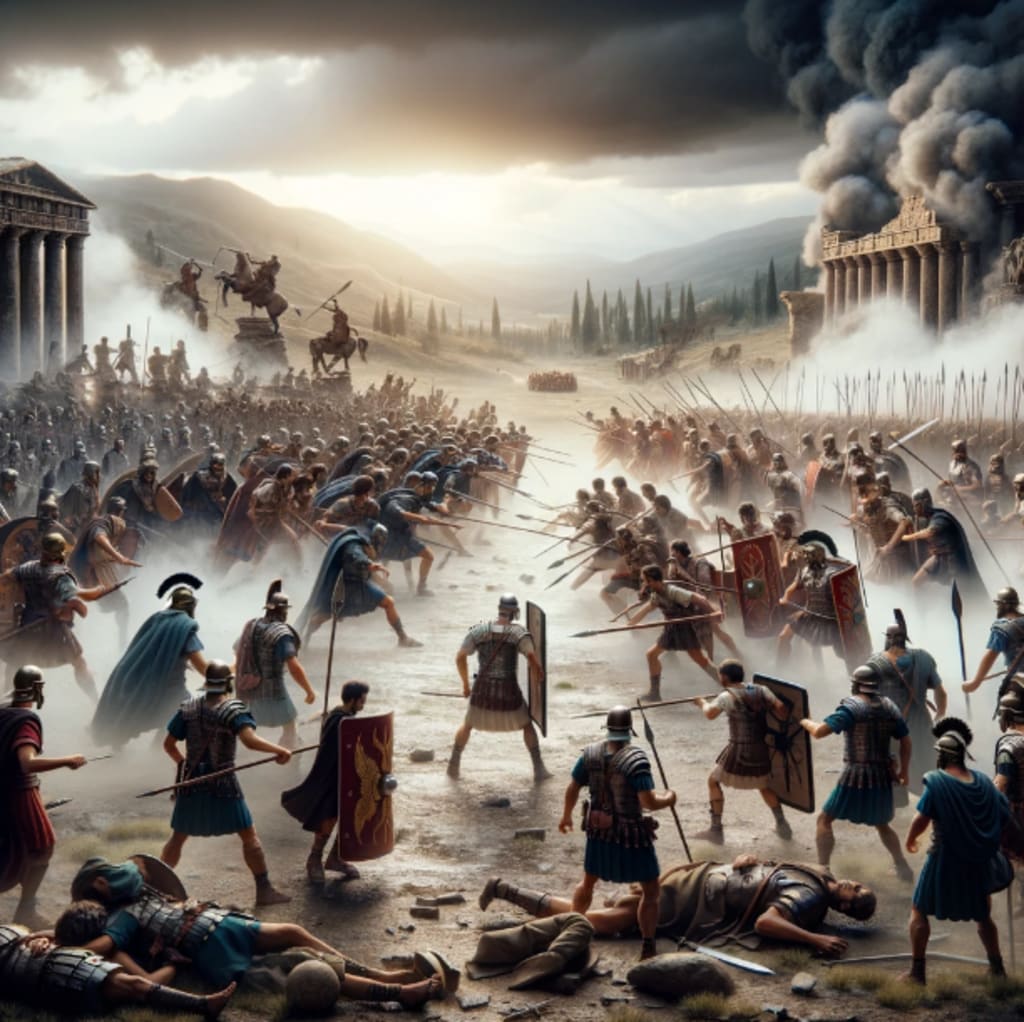
Throughout history, uprisings and revolts have played pivotal roles in transforming societies, toppling empires, and reshaping political systems. From the rise of democracy in Athens to the legendary rebellion of Spartacus, these ancient revolts continue to echo through time, influencing modern movements for freedom and justice. Here are six significant ancient uprisings that not only changed the course of history but still hold relevance in today’s world.
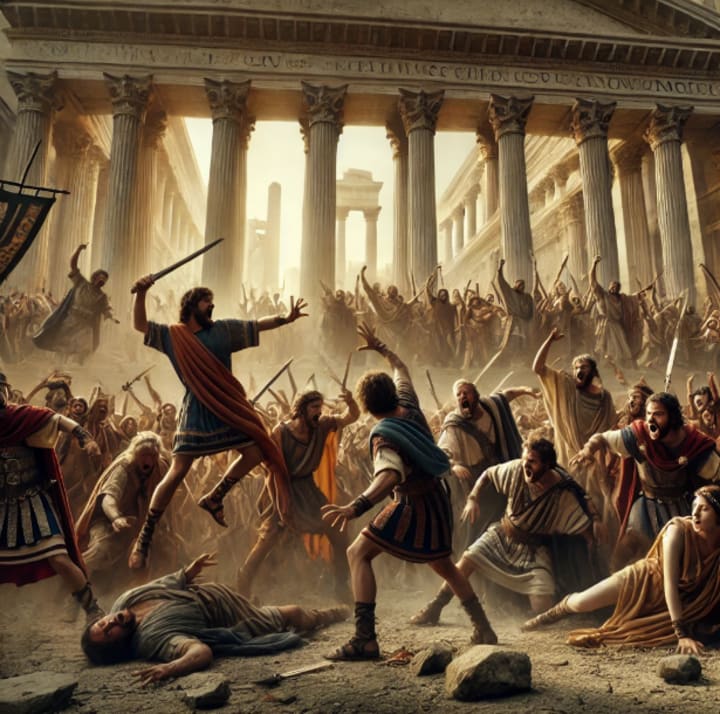
1. The Athenian Revolution (508 BC): The Birth of Democracy
In 508 BC, Athens found itself on the brink of a revolution. A Spartan army had invaded the city, attempting to suppress its budding democratic system. But the people of Athens, determined to protect their newfound freedom, rose in revolt. They blockaded the Spartans on the Acropolis, cutting off their supplies and forcing them to negotiate an exit from the city.
This revolt was a turning point for Athens, establishing a strong democratic foundation that would inspire many nations in the centuries to come. The Athenian Revolution’s success became a symbol of the enduring power of the people’s will and laid the groundwork for modern democratic ideals.
2. The Theban Revolt (378 BC): Outsmarting Spartan Militarism
After Sparta’s victory in the Peloponnesian War, it exerted dominance over much of Greece, including the proud city of Thebes. A small oligarchy supported by 1,500 Spartan soldiers ruled Thebes, stifling its autonomy. In 378 BC, seven Theban conspirators disguised themselves as women and infiltrated a party thrown by the city's rulers. They assassinated the oligarchs in a dramatic and bloody coup.
The revolt that followed sparked a wider rebellion in Thebes, leading to a democratic resurgence and a key military victory at the Battle of Leuctra in 371 BC. This battle marked the beginning of the end for Sparta’s military dominance in Greece.
3. Spartacus’s Slave Rebellion (73–71 BC): A Symbol of Resistance
Spartacus, a former gladiator and soldier, led one of the most famous slave revolts in history. Starting in 73 BC, Spartacus and his followers escaped from a gladiator school and amassed a force of over 60,000 rebellious slaves and disaffected peasants. Over the course of two years, they defeated nine Roman armies, causing chaos across the Italian Peninsula.
Although the rebellion was eventually crushed and Spartacus killed, his revolt deeply shook the foundations of Roman society. The uprising intensified fears of slave revolts among the Roman elite and contributed to the Republic's eventual shift towards autocratic rule. Spartacus’s legacy as a symbol of resistance against oppression endures to this day.
4. The Assassination of Julius Caesar (44 BC): The Fall of the Roman Republic
On March 15, 44 BC, Julius Caesar, dictator of Rome, was assassinated by a group of Roman senators who feared his growing power and believed they were saving the Republic from tyranny. However, the murder of Caesar did not have the desired effect. Instead of restoring the Republic, it plunged Rome into another series of civil wars.
Caesar’s assassination ultimately paved the way for the rise of his heir, Octavian (later Augustus), and the end of the Roman Republic. By 27 BC, Rome had transformed into an empire under Augustus's rule. The fall of the Republic serves as a reminder of how power vacuums created by political violence can lead to unintended consequences.
5. Boudicca’s Revolt (AD 60–61): A Woman Warrior Against Rome
In AD 60, Boudicca, queen of the Iceni tribe in Britain, led a revolt against Roman rule after she and her daughters were brutally mistreated by Roman officials. Enraged by the injustice, Boudicca rallied her people and neighboring tribes, raising an army that destroyed three Roman cities, including London (then known as Londinium), and defeated a Roman legion.
Although her rebellion was eventually crushed, Boudicca's story became legendary. In modern times, she is remembered as a symbol of defiance against oppression, particularly during the Battle of Britain in World War II, when she was invoked as a symbol of national resilience.
6. The Jewish Revolt (AD 66–70): The Destruction of the Temple in Jerusalem
The Jewish system of government under Roman rule had long been a point of tension. In AD 66, widespread discontent erupted into a full-scale rebellion. The Jews fought fiercely for their independence from the Roman Empire, but the rebellion ended in tragedy. By AD 70, Roman forces under General Titus had captured Jerusalem, destroying the Second Temple, one of the most sacred sites in Judaism.
The revolt did not end there. The last stronghold of the Jewish resistance, the fortress of Masada, fell in AD 73 after a brutal siege. The revolt’s failure had long-lasting consequences, driving a wedge between Judaism and early Christianity and leading to the Jewish diaspora.
The Legacy of Ancient Uprisings
These ancient uprisings have had a lasting impact on the course of history. They influenced the rise and fall of empires, the birth of democracy, and the creation of national identities. Today, the lessons from these revolts remain relevant as people across the globe continue to fight for freedom, justice, and self-determination.
From the streets of Athens to the battlefields of Rome and the fields of Britain, these revolts remind us that history is shaped not only by the powerful but by those who rise up in defiance against them.
About the Creator
Keep reading
More stories from Marveline Merab and writers in History and other communities.
Why Early Aircraft Designs Failed Before They Ever Flew
Long before airplanes became symbols of speed and global connection, flight was an idea filled with uncertainty, ambition, and repeated disappointment. Early aircraft designers were driven by a powerful belief that humans could conquer the skies, yet many of their creations never made it past workshops, fields, or testing grounds. These failures were not accidents of carelessness; they were the result of a world still learning the rules of flight.
By Beckett Dowhan4 days ago in History
3 Times Ordinary Objects Did Something Deeply Unsettling
Objects surround us every day. They make life easier, more comfortable, or more entertaining. A chair supports us, a mirror shows us our reflection, and a toaster browns our bread with consistent reliability. Most of the time, they behave exactly as expected.
By Enoch Sagini3 days ago in History




Comments
There are no comments for this story
Be the first to respond and start the conversation.