
5 Mind-Blowing Facts About Ancient Egypt That Will Change How You See History
Ancient Egypt has fascinated people for centuries.

Ancient Egypt has fascinated people for centuries. From towering pyramids to mysterious hieroglyphs, its legacy continues to spark curiosity. But beyond the well-known wonders, there are hidden gems in Egyptian history that make it even more intriguing. Here, we’ll uncover five facts about Ancient Egypt that will challenge what you thought you knew.
1. The Pyramids Were Not Built by Slaves
Hollywood and outdated history books have painted a dramatic picture of enslaved workers toiling away under the desert sun, but the truth is far different. Recent archaeological discoveries reveal that the workers who built the pyramids were skilled laborers, not slaves. They were given proper accommodations, nutritious food, and even medical care.
Imagine being part of a project so massive that it required decades of careful planning, thousands of dedicated workers, and precise engineering techniques that still baffle scientists today. These laborers took pride in their work, and some were even buried near the pyramids—an honor that slaves would not have received. This paints an entirely different picture of Ancient Egyptian society, showing it valued its workforce far more than many assume.
2. Women in Ancient Egypt Had More Rights Than in Many Modern Societies
While some ancient civilizations restricted women's rights, Ancient Egypt was surprisingly progressive. Women could own land, run businesses, and even take legal action in court. Some even rose to positions of great power, like Hatshepsut, one of the most successful pharaohs in history.
Picture this: A woman in 15th-century BCE Egypt walking into a market, buying land, and setting up a trade business—all without needing permission from a male guardian. Now compare that to certain societies even in the 20th century, where women had to fight for basic rights. It’s astonishing how forward-thinking the Ancient Egyptians were in this regard.
3. Ancient Egyptians Loved Board Games
Long before PlayStation and Netflix, Ancient Egyptians found joy in board games. One of the most popular was Senet, a strategy game that dates back over 5,000 years. It wasn’t just a pastime; it held religious significance, as Egyptians believed the game mirrored their journey through the afterlife.
Imagine coming home after a long day of farming or crafting statues for the pharaoh. Instead of scrolling through social media (which, of course, didn’t exist), you’d sit with your family and play Senet. It makes you realize that no matter how much time passes, people have always sought ways to unwind and connect through games.
4. Egyptians Had a Fascination With Cats—But Not Just for Pets
It’s no secret that Ancient Egyptians adored cats, but their relationship with felines went beyond companionship. Cats were believed to have protective and mystical powers. They were often depicted in artwork, and some households even had cat-shaped amulets for protection.
Killing a cat, even by accident, was a crime punishable by death. That’s how sacred these animals were! Picture an Egyptian family watching over their sleek, graceful feline companion, believing it could ward off evil spirits. This deep reverence for cats is something we still see today—just ask any modern cat owner who treats their pet like royalty!
5. The Oldest Known Dress in the World Comes From Ancient Egypt
Fashion may seem like a modern obsession, but the oldest known woven dress was found in Egypt and dates back over 5,000 years. Known as the Tarkhan Dress, this finely made linen garment proves that Egyptians valued style just as much as functionality.
Imagine an elite Egyptian woman draping herself in this beautifully tailored dress, thousands of years before Paris and Milan became fashion capitals. It’s a reminder that no matter how ancient a civilization is, certain human traits—like the desire to express oneself through clothing—remain unchanged.
Final Thoughts: What Can We Learn From Ancient Egypt?
Ancient Egypt was not just a land of pharaohs and pyramids—it was a society full of innovation, wisdom, and unexpected progressiveness. From their respect for skilled workers to their appreciation for board games, the Egyptians remind us that history is far more complex than we sometimes assume.
Next time you hear about Ancient Egypt, remember these five facts about Ancient Egypt that show just how advanced and relatable they truly were. And who knows? Maybe it will inspire you to look at history with fresh eyes, questioning what else we might have misunderstood about the past.
What fact surprised you the most? Share your thoughts in the comments!
About the Creator
PharaohX
Unraveling the mysteries of the pharaohs and ancient Egyptian civilization. Dive into captivating stories, hidden secrets, and forgotten legends. Follow my journey through history’s most fascinating era!
Easter Island: When Stone Giants Tell a Human Story
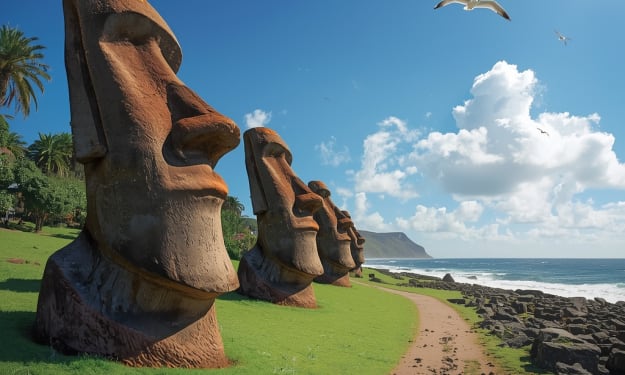
In the heart of the vast Pacific Ocean, far away from crowded cities and modern noise, lies one of the most mysterious places on Earth: Easter Island. Known locally as Rapa Nui, this remote island has fascinated people for generations. I remember the first time I read about it—I couldn’t help but wonder how such a small piece of land could carry so much history, mystery, and unanswered questions. What truly defines Easter Island are its silent stone giants, standing patiently as if guarding memories from a forgotten world.
By Binan Mooona day ago in History
Ludacris and Nelly draw backlash over bookings at MAGA-coded music festival
Ludacris and Nelly headlining a mostly right-wing event is good for them. It’s also great for the genre of hip hop. The two rap veterans have showcased their talents on other stages. Why can’t they perform for mostly MAGA folks and grab that bag?
By Skyler Saunders7 days ago in Beat



Comments
There are no comments for this story
Be the first to respond and start the conversation.