
Worldbuilding 101: Creating a Unique Setting for Your RPG Campaign
How to Build Immersive and Engaging Worlds for Your RPG Adventures

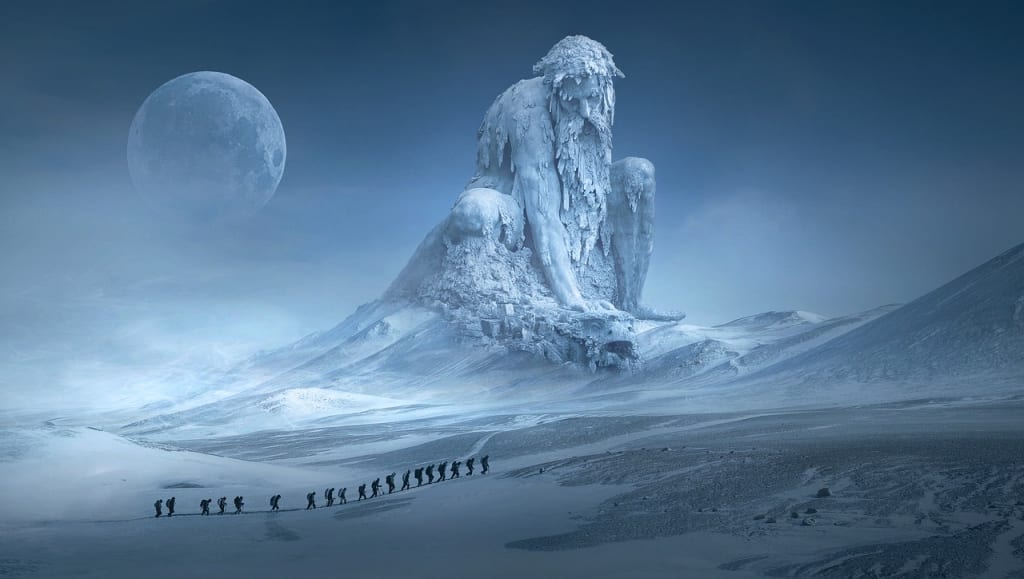
Worldbuilding is one of the most exciting aspects of running a tabletop RPG. A well-crafted setting can immerse players, enhance storytelling, and make your campaign feel alive. Whether you're building a sprawling fantasy realm, a dystopian cyberpunk city, or an alien planet, here’s how to create a setting that captivates your players.
1. Establish the Core Concept
Before diving into details, define the overarching theme and tone of your world. Ask yourself:
What genre is my setting? (Fantasy, sci-fi, horror, post-apocalyptic, etc.)
What is the world’s defining characteristic? (A magical plague, warring factions, a forgotten past?)
What themes do I want to explore? (Survival, political intrigue, heroism, moral dilemmas?)
A strong central concept gives your world direction and helps keep everything consistent.
2. Define Geography and Environment
The physical world shapes the societies and stories within it. Consider:
Landscapes: Is your world mostly deserts, oceans, forests, or a mix of biomes?
Climate and Weather: Does it have extreme seasons, magical storms, or a predictable cycle?
Natural Wonders: What makes this world unique? Floating islands, underground cities, a perpetual eclipse?
Creating a map can help visualize your world and serve as a useful reference during gameplay.
3. Craft Unique Cultures and Societies
A great setting has diverse civilizations that feel organic and interconnected. Think about:
Governments: Are they monarchies, democracies, theocracies, or something stranger?
Economies: What are the major industries and trade routes? Are there valuable rare resources?
Religions and Beliefs: Do people worship deities, follow ancient traditions, or believe in cosmic forces?
Social Norms and Taboos: What customs define daily life? What behaviors are unacceptable?
Culture should feel lived-in, with traditions that make sense within the world’s history.
4. Establish a History and Lore
Your world’s past shapes its present. Develop:
Major Historical Events: Wars, revolutions, cataclysms, discoveries.
Legendary Figures: Kings, prophets, outlaws, forgotten heroes.
Ancient Ruins and Lost Knowledge: What mysteries remain unsolved?
Don’t overcomplicate things—just enough history to provide depth and fuel adventure hooks.
5. Populate the World with Factions and NPCs
Factions create political tension and narrative opportunities. Consider:
Power Struggles: Which groups are in conflict? Who benefits?
Secret Societies: Hidden cults, thieves’ guilds, or resistance movements.
Key NPCs: Rulers, scholars, warlords, merchants—characters that make the world feel alive.
Well-designed NPCs and organizations add intrigue and make the world feel reactive to player actions.
6. Incorporate Magic or Technology
Depending on your setting, decide how magic or technology influences daily life:
Magic Systems: Are spells common or rare? Are they innate, learned, or tied to artifacts?
Technology Level: Is it medieval, steampunk, cyberpunk, or futuristic?
Limitations and Costs: What prevents magic or technology from being all-powerful?
Unique rules for magic or advanced science make your world stand out.
7. Leave Room for Exploration and Player Impact
Don’t over-detail every aspect—leave gaps for players to fill in. Encourage:
Player Involvement: Let them create minor lore elements tied to their backstories.
Unexplored Regions: Mystery breeds curiosity—create lost continents, ancient ruins, or deep-space anomalies.
Reactive Storytelling: Let player choices shape world events and influence factions.
A living world evolves as the campaign unfolds, making it feel dynamic and engaging.
Final Thoughts
Great worldbuilding doesn’t mean creating a 500-page lore book—it’s about crafting a setting that inspires adventure and feels alive. Focus on what enhances gameplay, and don’t be afraid to improvise along the way.
What’s your favorite worldbuilding trick? Share in the comments!
About the Creator
Bounty Hunter
RPG storyteller, worldbuilder and game designer exploring immersive narratives.
Keep reading
More stories from Bounty Hunter and writers in Geeks and other communities.
Find Your Perfect RPG: The Ultimate Playstyle Guide
Tabletop RPGs come in many forms, each offering a unique experience. Some focus on strategic combat, while others emphasize deep storytelling or immersive world-building. If you're new to RPGs or looking to try something different, understanding these different styles can help you find the perfect game for your preferences.
By Bounty Hunter about a year ago in Geeks
No Other Choice (2025)
It is only February, so other films may well surpass “No Other Choice”, but I think this is the best film I’ve seen so far this year. And that surprises me, because, it is a subtitled film and while I am pretentious enough to choose to watch foreign-language films, I was also very tired and that was an extra commitment from me. But more importantly, let me warn you, this film is gruesome and violent. There were times I had to turn away from the screen to avoid the worst of it (including some self-inflicted dentistry).
By Rachel Robbins23 days ago in Geeks
Stand By Me: A Timeless Journey of Friendship Returns to Theaters for Its 40th Anniversary
Few films capture the bittersweet ache of growing up as powerfully as Stand By Me. Adapted from Stephen King’s novella The Body, Rob Reiner’s 1986 classic remains a cultural touchstone—an intimate portrait of childhood friendship, grief, courage, and the moment innocence gives way to something more complicated. As the film approaches its 40th anniversary, AMC Theatres is bringing it back to the big screen, giving longtime fans and new audiences the chance to rediscover its magic.
By Kristen Barenthalerabout 19 hours ago in Geeks
The BAFTA Awards
By now, in a stunning departure from recent years, most of the world is aware of what happened at the BAFTA film awards. Social Media Headlines will tell you the bare bones: that John Davidson, a Tourette's Syndrome advocate, shouted a racial slur at two Actors of Colour, Michael B Jordan and Delroy Lindo.
By Natasja Rose3 days ago in Psyche



Comments
There are no comments for this story
Be the first to respond and start the conversation.