
Where Does the Mission: Impossible Franchise Go From Here After Final Reckoning?
With Ethan Hunt’s final mission complete, the future of Mission: Impossible hangs in the balance. Can the franchise survive without its iconic lead—or is this just the beginning of a bold new era?


Spoiler alert: Ethan Hunt doesn’t die in Mission: Impossible – Dead Reckoning Part Two, now rebranded as Final Reckoning. But the question isn’t just about what happens to him—it’s about what happens to the franchise. A series that has dominated the action genre for nearly 30 years now faces the big question: what’s next?
Now that Final Reckoning is (presumably) the last ride for Tom Cruise’s take on IMF agent Ethan Hunt, fans, critics, and Hollywood insiders are wondering—can this franchise survive without him? Can it evolve? Or is this mission finally complete?
Let’s take a deep dive into where the franchise has been, what Final Reckoning means for the future, and whether the series dares to accept its next mission.
A Brief History of the Franchise That Shouldn’t Have Lasted This Long
When the first Mission: Impossible movie hit theaters in 1996, no one predicted it would become one of the most enduring and evolving action franchises of all time. The original was a stylish, cerebral thriller helmed by Brian De Palma. Then it morphed into a John Woo shootout. Then a J.J. Abrams emotional thriller. And eventually, under Christopher McQuarrie’s direction, it became a symphony of stunts, espionage, and increasingly personal stakes.
Over seven films (with the eighth, Final Reckoning, capping Cruise’s tenure), the franchise did what very few manage: it improved with age. Ghost Protocol, Rogue Nation, and Fallout raised the bar not just for spy thrillers but for blockbuster filmmaking as a whole. Cruise’s death-defying stunts became as much of a draw as the films themselves.
But now, after nearly three decades and a box office haul topping $3.5 billion globally, the curtain is drawing on this chapter. So what happens next?
Is the Franchise Really Over?
Let’s address the elephant in the room: despite the title Final Reckoning, Paramount hasn’t officially confirmed this is the end of Mission: Impossible as a franchise. It’s been marketed as the end of Ethan Hunt’s journey—but not necessarily the IMF’s.
Tom Cruise, who turns 63 next year, has hinted that he’s ready to pass the torch but not necessarily ready to exit stage left entirely. He’s also spoken about how inspired he is by Top Gun: Maverick’s success and wants to continue pushing boundaries in cinema.
That leaves the door wide open. A future without Ethan Hunt leading the charge? Maybe. But a future without Mission: Impossible? Highly unlikely.
Three Possible Roads the Franchise Could Take
1. Spin-Offs and Side Missions: Expanding the IMF Universe
Hollywood has been building cinematic universes for over a decade now. Marvel did it best. DC stumbled. Star Wars is doing it on Disney+. Could Mission: Impossible go the same route?
It’s possible. The IMF isn’t a one-man organization. It’s a global covert ops force filled with other agents whose stories we haven’t heard yet. The core team—Benji (Simon Pegg), Luther (Ving Rhames), and Ilsa (Rebecca Ferguson)—has always hinted at a deeper world. Other characters like Grace (Hayley Atwell) introduced in Dead Reckoning show that the franchise is planting seeds.
A Grace-led spinoff? A prequel about a young Luther? An anthology of failed missions? The possibilities are endless. By focusing on new agents and threats, the franchise could broaden its world while maintaining its signature mix of tech, tension, and stunts.
Of course, any spin-off would have big shoes to fill. Cruise’s presence looms large. But that also creates a creative opportunity: give these stories their own tone, rhythm, and style. Imagine Mission: Impossible meets John Wick. Or Mission: Impossible told from the villain’s POV.
If the franchise plays its cards right, this could be the beginning of a new IMF era, not the end.
2. The Reboot Route: A New Ethan, A New Generation
Let’s not pretend Paramount isn’t considering the reboot option.
Franchises live and die by their IP value. When James Bond gets old, he regenerates. Batman gets recast every decade. The question isn't whether someone else can be Ethan Hunt—it's whether audiences will accept it.
There are two ways to reboot this: start over with a brand-new Ethan Hunt or introduce a new lead agent under the same Mission: Impossible banner. Both options are risky. Both also offer potential.
A full reboot would have to be bold. Don’t just cast a lookalike Cruise knockoff. Go in a fresh direction. Maybe a younger actor, maybe someone with a radically different approach—more cerebral, more conflicted, more morally ambiguous. Or cast against type. Gender-flip the role. Go international. Bring a different cultural lens to the IMF.
The key is reinvention. If Mission: Impossible reboots, it has to feel like a new story that happens to carry the name—not a pale imitation of Cruise’s glory years.
3. Do Nothing… For Now: Let the Legacy Breathe
Another option? Let the franchise rest. At least for a few years.
Franchise fatigue is real. Part of what made Top Gun: Maverick special was the decades-long gap since the original. People missed it. The same could apply here. Let Ethan Hunt go out on top. Give audiences a chance to feel that absence.
Then, five or ten years from now, drop a teaser with that iconic Lalo Schifrin theme. A new mission. A new agent. A new reason to care.
This would allow Paramount to regroup, test the waters, and avoid the trap of diminishing returns. Let the next team come in with a vision, not just a business model.
The Cruise Factor: Can Mission: Impossible Exist Without Him?
This is the hardest pill to swallow. Because truth be told, Mission: Impossible is more than a franchise. It’s Tom Cruise’s passion project. He is the franchise.
He didn’t just act in these films. He designed them. Each entry, especially under Christopher McQuarrie’s direction, has been tailored around Cruise’s appetite for challenge—higher buildings, faster motorcycles, longer HALO jumps, bigger stakes.
Removing Cruise from the equation isn’t just recasting a role. It’s removing the engine that powered the machine.
That said… no one is irreplaceable forever. Cruise may stay on as a producer. He may even make cameos or advise future stunts. And eventually, the next Mission: Impossible story might not need him. Just like Star Wars grew beyond Luke Skywalker, and Bond evolved past Sean Connery, IMF could find its new face.
It just has to earn it.
The Creative Team: Will McQuarrie Stay On?
Christopher McQuarrie is the unsung hero of the franchise’s renaissance. Since Rogue Nation, he’s co-written and directed every installment, redefining its identity. His partnership with Cruise is one of the tightest in modern Hollywood.
But McQuarrie has hinted he’s ready to move on. After Final Reckoning, he’s attached to other Cruise projects (Luna Park, anyone?) and expressed interest in less physically grueling work.
If the franchise continues, bringing in a new director could mark a shift in tone. Imagine the visual style of a Denis Villeneuve-led IMF story. Or the tightly-wound paranoia of a David Fincher Mission. Or the precision action of Chad Stahelski (of John Wick fame).
It’s not about replacing McQuarrie—it’s about evolving. The right director could keep the legacy alive while pushing the series into uncharted territory.
What About the Team?
Even if Cruise leaves, the supporting cast might stay on.
Simon Pegg’s Benji has been a fan favorite since MI:III, and could easily slide into a more prominent leadership role. Ving Rhames as Luther brings gravitas and continuity. And Hayley Atwell’s Grace was clearly introduced as someone with franchise-carrying potential.
Then there’s Pom Klementieff’s Paris, whose redemption arc felt unfinished. And Vanessa Kirby’s White Widow, who walks the line between ally and antagonist like few others in the series.
If Paramount wants to keep the DNA intact while moving the story forward, these characters offer a solid foundation. Imagine a new film that pairs Grace with Paris and introduces a fresh recruit—a bit of Ocean’s Eleven energy with Mission: Impossible stakes.
Big Ideas for the Next Chapter
If the franchise moves forward, it can’t just recycle old missions. It needs fresh ideas. Here are a few that could redefine what a Mission: Impossible story looks like:
- Go Small and Intimate: Not every mission has to be world-ending. A bottle-episode-style story set in one location over 24 hours could bring a new kind of tension.
- The Rogue Agent Angle: What if the next IMF lead has their own agenda? A morally gray protagonist adds depth and unpredictability.
- Tech Paranoia 2.0: AI, deepfakes, drone warfare, mass surveillance—there’s no shortage of modern threats to explore with the franchise’s espionage toolkit.
- Cross-Franchise Event?: While highly unlikely, imagine if Mission: Impossible crossed paths with another spy series. Jack Ryan? Reacher? Or a Top Gun cameo? Okay, maybe not, but the multiverse is hot—Paramount could tap into that trend in a grounded way.
Revisiting the Past: What if the next chapter ties back to IMF’s origins? A prequel series set during the Cold War could add rich historical context and redefine what IMF stands for.
So… Is There a Future?
Yes. But not without risk.
The Mission: Impossible brand is strong—but it's not indestructible. It thrived on reinvention, tight plotting, and Cruise’s stunt-showcase energy. Going forward, it’ll need a new anchor—whether that’s a compelling new lead, a genre shift, or a sharp creative vision.
If the franchise simply tries to mimic the old formula without Cruise, it’ll falter. But if it embraces the opportunity to evolve—while respecting what made the original era great—it could outlast even its most iconic face.
The future of Mission: Impossible doesn’t hinge on one actor. It hinges on whether the next chapter dares to accept its own mission: to surprise us all over again.
Closing Thought:
Ethan Hunt may be done running. But the franchise he built still has legs. It’s not about the past. It’s about what comes next—and if Hollywood gets it right, Mission: Impossible could remain the gold standard for action thrillers for decades to come.
About the Creator
Lawrence Lease
Alaska born and bred, Washington DC is my home. I'm also a freelance writer. Love politics and history.
Keep reading
More stories from Lawrence Lease and writers in Geeks and other communities.
WrestleMania 42 Location Uncertainty: What the Hell is Going On?
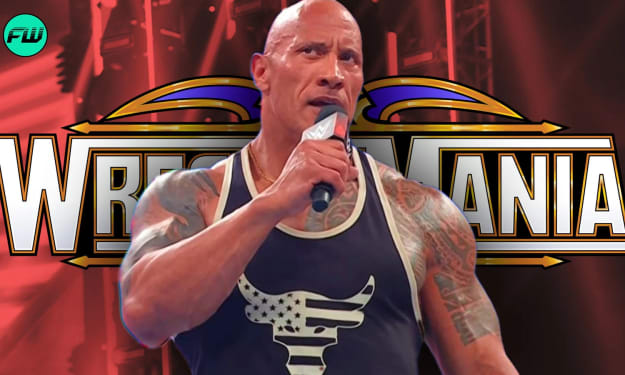
I don’t know about you, but I didn’t have “WrestleMania 42 suddenly yanked from New Orleans” on my 2025 wrestling bingo card. Yet here we are. Welcome to a Not Sam Wrestling-style emergency blog post, because when the road to WrestleMania takes a sharp left turn, you better believe we’re hitting the gas and diving headfirst into the chaos.
By Lawrence Lease8 months ago in Geeks
Fist of the North Star: The Anime That Redefined Post-Apocalyptic Power and Masculinity
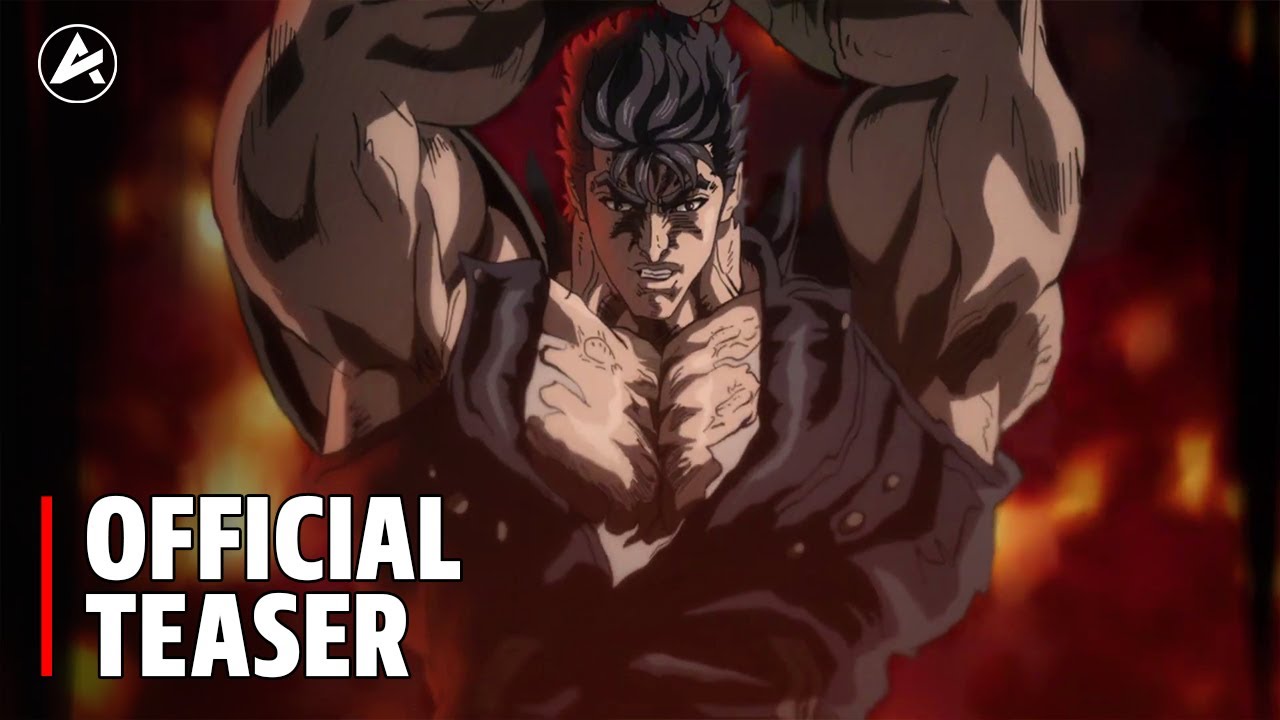
Few television anime have left a cultural crater as large as Fist of the North Star (Hokuto no Ken). Premiering in 1984, this brutal, operatic series didn’t just entertain—it forged a new language for action anime, blending apocalyptic despair, hyperbolic violence, and mythic masculinity into something unforgettable. Decades later, its influence can still be felt across anime, manga, video games, and even Western pop culture. For many fans, Fist of the North Star isn’t just a show—it’s a rite of passage.
By David Cook6 days ago in Geeks


Comments
There are no comments for this story
Be the first to respond and start the conversation.