
Westside Gunn’s WWE Breakup Was Coming for a While by NWO Sparrow
The Real Reason WWE Distanced Itself from Westside Gunn


Westside Gunn and WWE: When Passion Meets Corporate Reality
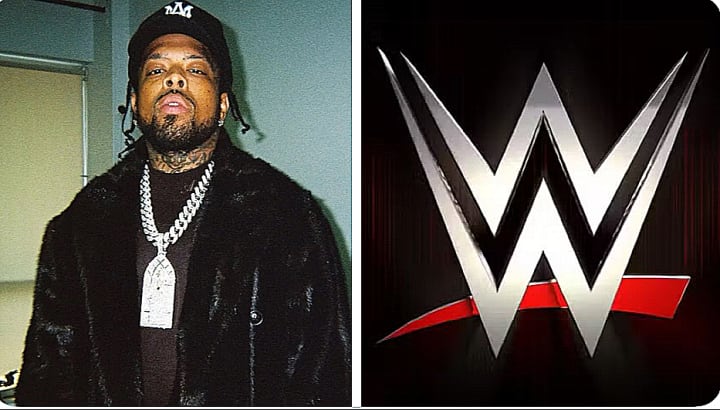
When news broke that Westside Gunn was kicked out of Monday Night Raw, it felt like a strange and disappointing end to what had been one of the more authentic relationships between hip hop and professional wrestling in recent years. The Griselda rapper, known for his heavy use of wrestling imagery and references throughout his music, expressed his frustration on social media, saying that he had spent five thousand dollars on front row seats only to be escorted out of the arena without explanation. For a man who has spent years celebrating WWE culture, supporting its talent, and helping to make wrestling cool again in urban circles, the moment clearly hurt. Yet as much as fans understand Gunn’s disappointment, it is also clear that the modern WWE is operating under a different set of rules, and those rules may not have room for someone like him anymore.

Westside Gunn has long been one of WWE’s loudest supporters outside of the wrestling industry. He often attends shows, collects rare memorabilia, and even features wrestling clips in his albums and visuals. For years, WWE seemed to benefit from that relationship without ever having to officially acknowledge it. The connection felt natural. Gunn and his Griselda collective made wrestling references sound raw and fashionable, something that resonated deeply with fans who grew up watching legends like Bret Hart, Razor Ramon, and The Undertaker. Before Griselda, wrestling was often viewed as corny or childish in certain spaces, but Gunn made it part of the aesthetic. His love for the product felt real, and that authenticity helped reshape how wrestling was perceived in hip hop culture.
Still, the relationship between Westside Gunn and WWE has always been one sided. While he openly promoted and supported the company, WWE never fully embraced him in return. Fans began noticing that despite Gunn attending major events, he was never shown on camera or publicly acknowledged like other celebrities. Artists like Jelly Roll, Post Malone, and Macaulay Culkin were given screen time and recognition, while Gunn remained in the crowd as just another fan. This lack of acknowledgment likely added to his frustration. For someone who has given so much energy to promoting WWE’s image, being treated like a random audience member must have been disheartening.

There are possible reasons behind WWE’s sudden change in tone toward Gunn. The company’s leadership structure has shifted significantly since merging with Endeavor under the TKO banner. With this new corporate environment comes stricter control over intellectual property and public image. Under Vince McMahon, there was more flexibility, and relationships with celebrities often operated on personal connections. Now, decisions are made with a focus on brand protection and corporate policy. Westside Gunn has often used WWE names, music, and imagery in his art and merchandise, something that might have slipped by in the past but could now be viewed as a legal risk. For TKO, protecting the brand is top priority, even if it means upsetting a loyal supporter.
Another factor that might have contributed to the tension is Gunn’s involvement with other wrestling organizations. He has made appearances on AEW television and even launched his own small wrestling promotion called 4th Rope. While 4th Rope is not a competitor to WWE, it still creates a potential conflict of interest from a corporate standpoint. The fact that he produced entrance music for The Hurt Syndicate also shows that he has creative ties beyond the WWE umbrella. To the fans, these things are harmless and part of his love for wrestling, but to WWE’s leadership, it could look like divided loyalty.
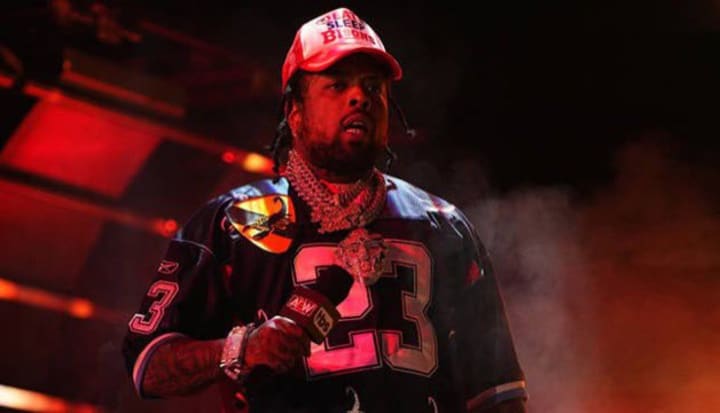
From a business perspective, WWE’s actions make sense. The company is now part of a publicly traded entertainment group that has to answer to shareholders. Every decision is measured, and every partnership is scrutinized. Allowing someone to use their imagery or trademarks without official approval could create legal issues or set unwanted precedents. For WWE, this is not personal, it is business. Yet to Westside Gunn, it feels deeply personal. He is not a celebrity jumping on a trend. He is a lifelong fan who helped reshape how wrestling is perceived in hip hop, and being treated like an outsider after years of support feels like betrayal.
The larger story here is about what happens when corporate priorities collide with cultural authenticity. Westside Gunn represents the organic side of fandom, the people who love wrestling not for money or exposure but for the storytelling, the artistry, and the nostalgia. WWE, on the other hand, represents a massive entertainment brand that now answers to executives and investors who might not understand that kind of passion. Somewhere in between those two realities, the connection got lost.
Even though WWE will continue to thrive without Westside Gunn’s support, something intangible is missing. The company has spent years trying to appeal to urban audiences, working with popular names like Travis Scott, Sexyy Red, and Cardi B. Those collaborations bring attention, but they lack the genuine passion Gunn brought to the table. He was not just a rapper wearing a wrestling T-shirt, he was a fan who could discuss storylines, talent development, and match history with the same energy as any lifelong viewer. That authenticity connected WWE to a part of the culture that had long dismissed wrestling as childish or out of touch.
In the end, Westside Gunn’s situation is a reminder that corporate entertainment does not always reward authenticity. WWE is focused on protecting its image, and Westside Gunn is focused on preserving his passion. Both sides are justified in their actions, but their values no longer align. For fans who appreciated how Gunn helped bridge the gap between wrestling and hip hop, this fallout feels like the end of an era. WWE will keep moving forward, and Westside Gunn will keep creating his art, but the cultural magic they once shared may be something that can never be replicated again.
About the Creator
NWO SPARROW
NWO Sparrow — The New Voice of NYC
I cover hip-hop, WWE & entertainment with an edge. Urban journalist repping the culture. Writing for Medium.com & Vocal, bringing raw stories, real voices & NYC energy to every headline.
Keep reading
More stories from NWO SPARROW and writers in Geeks and other communities.
Beyond Thriller: The Shocking Truths We Demand From The New "Michael" Movie by NWO Sparrow
The trailer is out y'all. For two minutes, we saw the flashes of glitter and talent, the promise of a man who defined pop music. The Michael Jackson biopic, simply titled "Michael," is coming in 2026, and like many of you, I felt that old thrill. The glimpse of the young boy’s voice in a crowded room, the silhouette of the moonwalk, the sheer force of his presence. It is all there. But a two-minute trailer cannot possibly contain the man. It can only tease. And as a fan, as someone who understands that his art and his life were a complex, often painful, symphony, I have a plea for the filmmakers. Do not shy away from the difficult notes. Here are the five eras this movie must explain, not just depict.
By NWO SPARROW4 months ago in Geeks
The Politics of Playing Dress-Up
Well, to start off I'd like to say a happy world book day to all who celebrate. I know I haven't really posted anything on my socials about it but I'm not a jubilant kind of person. I lay low most of the time. Let's start off with a popular anecdote from the vaults...
By Annie Kapur7 days ago in Geeks


Comments (1)
This is a sad state of affairs all the way around. W$G has always represented a genuine & authentic love for wrestling. He legit brought back the nostalgia & passion for the brand. Things like this just reinforce the fact that these corporations could care less about the culture, or the fan base which is the foundation of their business. For them it's solely about squeezing the consumer for every last penny while providing very little in return. They really destroyed a massive opportunity to work with, and monetize something new & exciting with W$G. Very short sighted & disappointing.