
We Have Always Lived in the Castle by Shirley Jackson
Why It's a Masterpiece (Week 51)

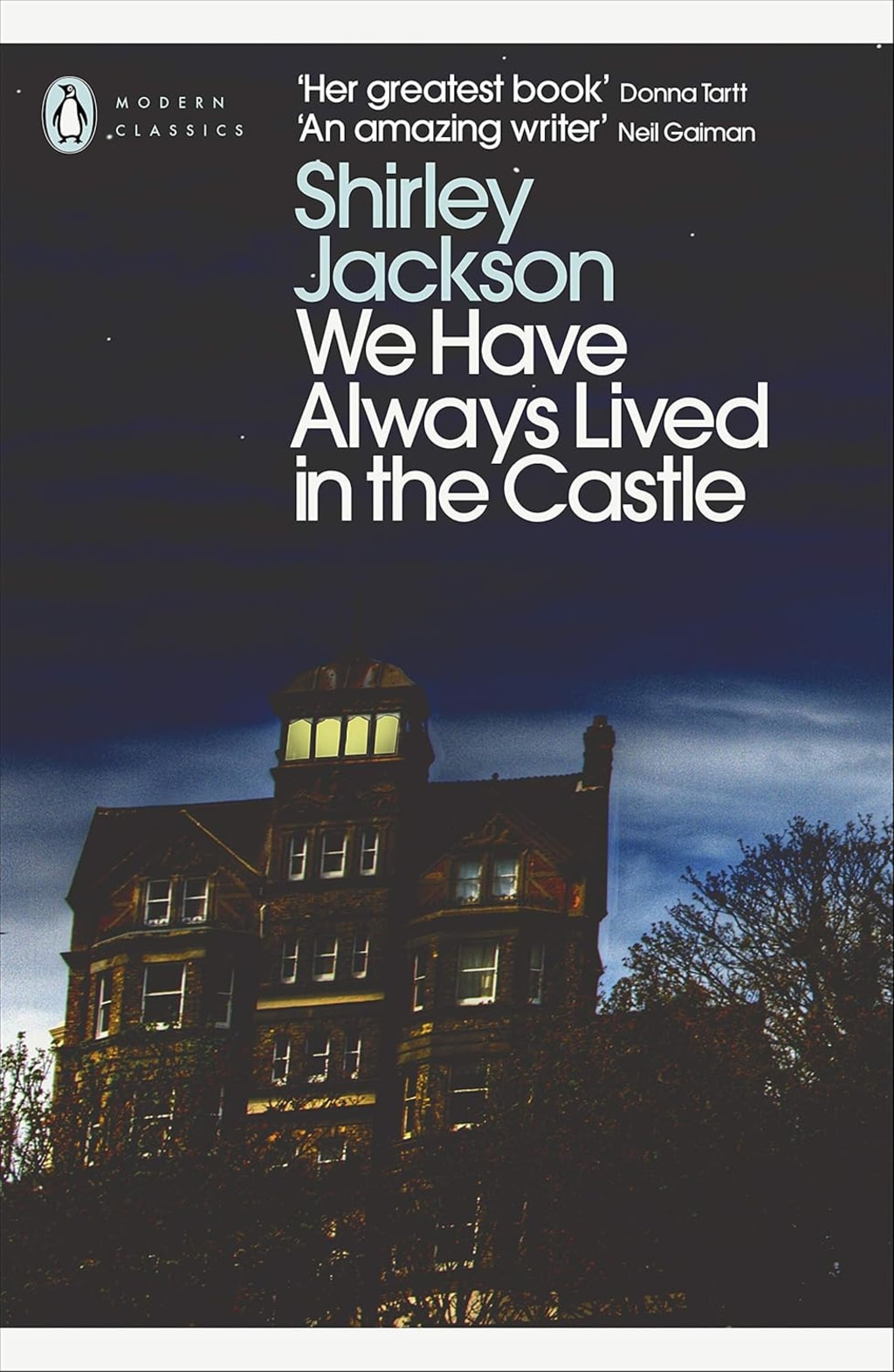
"We Have Always Lived in the Castle" by Shirley Jackson was published in 1962, marking one of the final works of a prolific and influential writer. Jackson, renowned for her ability to blend the ordinary with the macabre, delivered a novel that encapsulates her signature style of psychological horror and gothic fiction.
The book was published by Viking Press and was immediately recognised for its haunting atmosphere and its exploration of themes such as isolation, family, and societal ostracism. Critics lauded Jackson's precise and evocative prose, which drew readers into the claustrophobic world of the Blackwood family. The novel's reception was overwhelmingly positive, with many praising its dark, unsettling narrative and the depth of its characterisation.
This book solidified Jackson's reputation as a master of gothic fiction and psychological horror. Its publication was a significant event in the literary world, and the novel has since become a classic, studied for its complex themes and its profound impact on the genre. Today, it remains a touchstone in discussions of twentieth-century American literature, a testament to Jackson's enduring legacy and her unparalleled ability to evoke terror and empathy in equal measure.
Plot
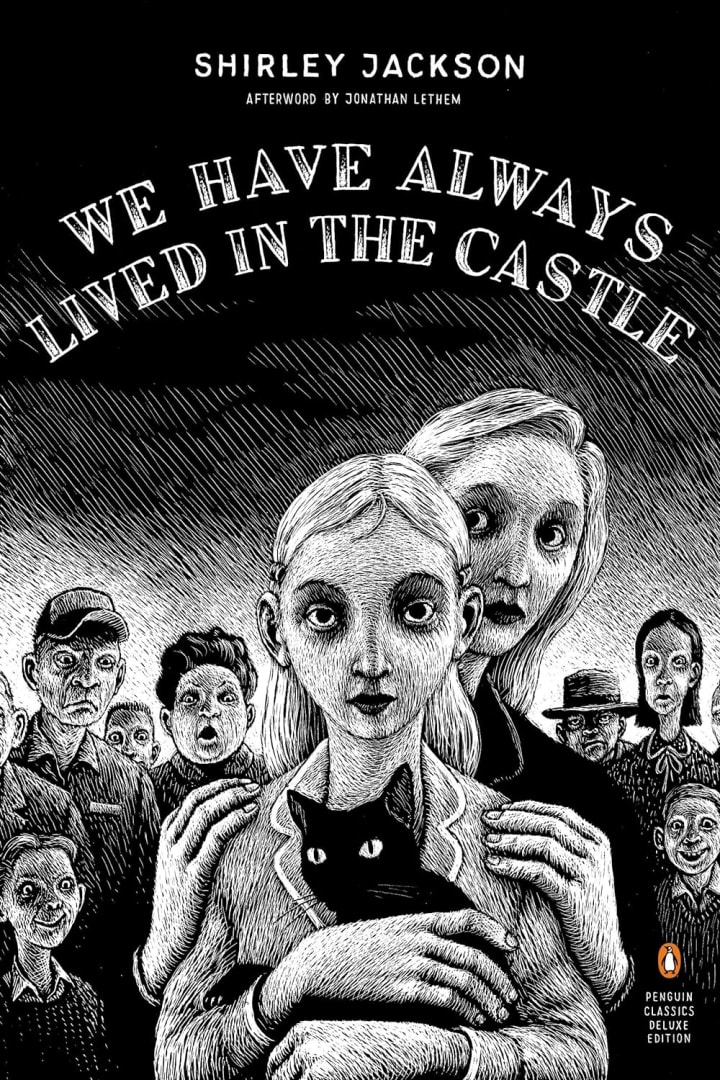
"We Have Always Lived in the Castle" follows the lives of the Blackwood family, who live in isolation following a family tragedy. The story is narrated by Mary Katherine "Merricat" Blackwood, an eighteen-year-old girl who lives with her older sister, Constance, and their ailing Uncle Julian. The novel opens with Merricat's description of her routine trips into the village, where she is met with hostility and suspicion from the townspeople. It is gradually revealed that the Blackwood family was ostracised following the deaths of the parents, aunt, and younger brother of Merricat and Constance, who were poisoned with arsenic-laced sugar six years prior. Constance was acquitted of the crime, but the villagers continue to believe she was guilty.
Merricat, Constance, and Uncle Julian live a reclusive life in their large, ancestral home. Merricat practices various rituals and superstitions to protect their home and maintain their isolation. Uncle Julian, who was also poisoned but survived, is obsessed with documenting the details of the fatal dinner and the family's history. Their tranquil, if peculiar, existence is disrupted by the arrival of their cousin, Charles Blackwood, who seeks to ingratiate himself with Constance and gain control over the family fortune.
Charles's presence creates tension within the household, particularly with Merricat, who views him as a threat to their way of life. She attempts to drive him away through various means, but Charles persists, growing increasingly aggressive and manipulative. The situation escalates when Merricat sets fire to Charles's room, leading to a destructive blaze that consumes much of the house. In the aftermath, the villagers descend upon the Blackwood estate, looting and vandalising the property. Constance and Merricat retreat further into their reclusive existence, sealing themselves off from the outside world entirely.
As the sisters adjust to their new reality, they find a sense of peace and contentment in their complete isolation. The novel ends with Merricat and Constance reaffirming their bond and their commitment to each other, secure in their shared solitude. "We Have Always Lived in the Castle" is a chilling exploration of family loyalty, societal alienation, and the protective power of isolation.
Into the Book
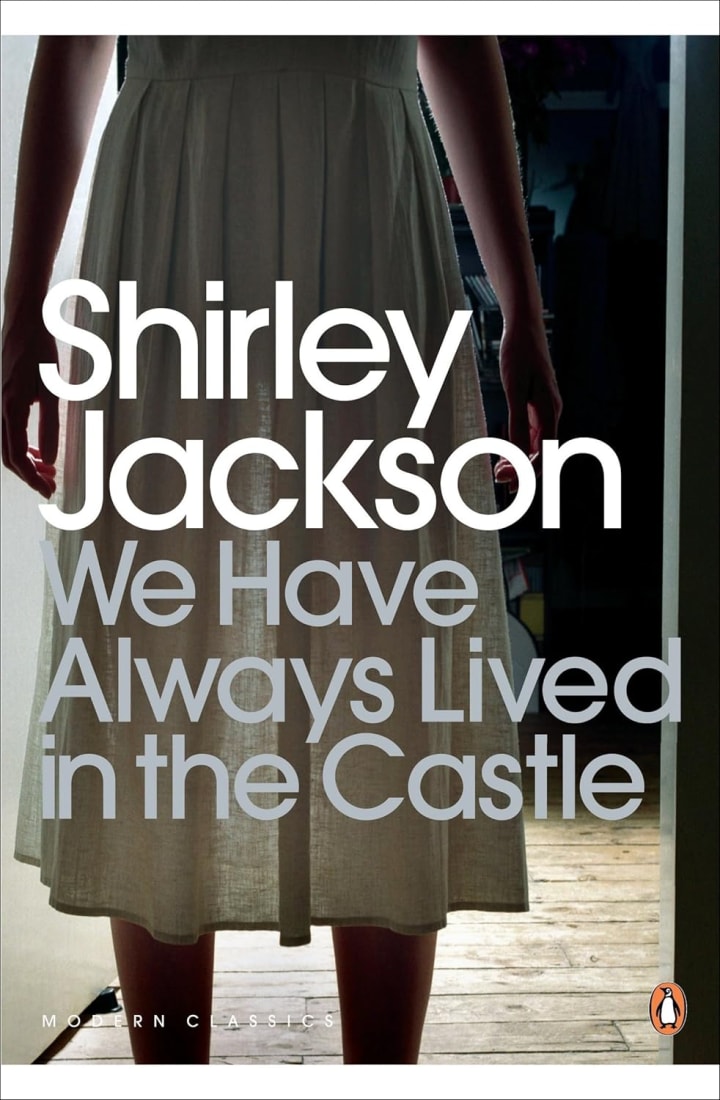
Isolation is a predominant theme in "We Have Always Lived in the Castle," depicted through the physical and emotional seclusion of the Blackwood family. The Blackwoods live on the fringes of the village, both geographically and socially, creating a barrier between themselves and the hostile outside world. The villagers' ostracism and suspicion force the family into further seclusion. Merricat’s ventures into the village are fraught with tension, as she describes, "I always thought about rot and death when I went to the village" (Jackson, p. 9). This statement reflects her deep-seated aversion to and fear of the outside world, reinforcing the family's isolation.
The fire that destroys much of the Blackwood home serves as a physical manifestation of their societal rejection. Following the blaze, the villagers' looting and vandalism of the property illustrate their disdain and lack of empathy for the Blackwoods. This act of communal aggression solidifies the family's complete withdrawal from society, as Merricat and Constance retreat into the remaining parts of their home, cutting off all contact with the outside world.
Jackson uses the motif of isolation to explore the dynamics of family and community. The Blackwoods’ self-imposed seclusion is both a protective measure and a consequence of societal rejection. Their isolation allows them to maintain their unique family bonds and traditions, free from external judgment. However, it also underscores the theme of alienation, as their inability to integrate into society leads to increased paranoia and mistrust.
“My name is Mary Katherine Blackwood. I am eighteen years old, and I live with my sister Constance. I have often thought that with any luck at all, I could have been born a werewolf, because the two middle fingers on both my hands are the same length, but I have had to be content with what I had. I dislike washing myself, and dogs, and noise. I like my sister Constance, and Richard Plantagenet, and Amanita phalloides, the death-cup mushroom. Everyone else in our family is dead.”
- We Have Always Lived in the Castle by Shirley Jackson
The theme of family loyalty is central to the novel, particularly the bond between Merricat and Constance. Despite the traumatic events that have shaped their lives, the sisters remain fiercely devoted to each other. Constance assumes a maternal role, caring for Merricat and their Uncle Julian with unwavering dedication. Merricat, in turn, exhibits a protective, almost obsessive love for Constance, often resorting to extreme measures to ensure their safety and happiness. Her rituals and superstitions are aimed at preserving their insular world, as she explains, "I have often thought that with any luck at all I could have been born a werewolf, because the two middle fingers on both my hands are the same length, but I have had to be content with what I had" (Jackson, p. 26). This whimsical yet sinister statement underscores Merricat's desire to harness supernatural powers to protect her family.
The intrusion of Charles Blackwood threatens the sisters' bond and their way of life. Charles's attempts to manipulate Constance and gain control over the family’s assets create a rift between the sisters. Merricat's hostility towards Charles is driven by her fear of losing Constance, as well as her perception of him as a usurper. Her drastic actions to remove Charles, culminating in the fire, demonstrate her willingness to do whatever it takes to preserve their family unit.
The aftermath of the fire, in which the sisters reaffirm their commitment to each other, highlights the resilience of their bond. Constance’s acceptance of their new reality and her refusal to abandon Merricat in favour of societal norms reinforce the theme of familial loyalty. The novel’s conclusion, with the sisters living in contented isolation, illustrates the strength of their relationship and their ability to create a self-sustaining world apart from society.
“I remember that I stood on the library steps holding my books and looking for a minute at the soft hinted green in the branches against the sky and wishing, as I always did, that I could walk home across the sky instead of through the village.”
- We Have Always Lived in the Castle by Shirley Jackson
The themes of madness and sanity are intricately woven throughout the novel, particularly in the character of Merricat. Her narration is characterised by a blend of childlike innocence and disturbing malice, creating an ambiguous portrayal of her mental state. Merricat's rituals and superstitions, such as burying objects to ward off evil, reflect her tenuous grasp on reality. She describes her actions with a sense of logical certainty, stating, "I had to be sure I was dead before I could look for the doll" (Jackson, p. 52). This paradoxical statement exemplifies Merricat's fractured perception of reality and her struggle to reconcile her inner world with the external one.
Uncle Julian's obsession with documenting the family's history and the fatal dinner further explores the theme of madness. His fixation on the past and his erratic behaviour suggest a descent into madness, exacerbated by his physical and mental deterioration. Julian's constant recounting of the details of the poisoning highlights his inability to move beyond the trauma, trapping him in a perpetual state of mental disarray.
Constance, in contrast, is portrayed as the stabilising force within the family, embodying a semblance of normalcy and sanity. Her acquittal of the poisoning charges and her nurturing nature suggest a rational and composed character. However, her complicity in maintaining the family's isolation and her acceptance of Merricat's behaviour hint at a deeper complexity. Constance's actions raise questions about the nature of sanity and the extent to which it is influenced by external circumstances and internal loyalties.
Jackson uses these themes to blur the lines between madness and sanity, challenging the reader to consider the subjective nature of these concepts. The novel’s depiction of Merricat and Julian's mental states, juxtaposed with Constance’s outward composure, creates a nuanced exploration of psychological instability and resilience.
“Fate intervened. Some of us, that day, she led inexorably through the gates of death. Some of us, innocent and unsuspecting, took, unwillingly, that one last step to oblivion.”
- We Have Always Lived in the Castle by Shirley Jackson
Why It's a Masterpiece

"We Have Always Lived in the Castle" is considered a masterpiece for several reasons. Firstly, Shirley Jackson's masterful use of gothic elements and psychological horror creates a deeply unsettling atmosphere that captivates readers. Her precise and evocative prose immerses readers in the claustrophobic world of the Blackwood family, evoking both empathy and dread. Jackson's ability to blend the ordinary with the macabre, and her exploration of complex themes such as isolation, family loyalty, and mental instability, elevate the novel beyond conventional horror fiction.
Secondly, the novel’s narrative structure, with Merricat as the unreliable narrator, adds a layer of psychological depth and ambiguity. Jackson’s portrayal of Merricat's inner world, filled with rituals and superstitions, creates a compelling and multifaceted character. The novel’s gradual revelation of the family's history and the true nature of the poisoning incident keeps readers engaged and builds a sense of suspense and intrigue.
Additionally, Jackson’s exploration of societal ostracism and the dynamics of family relationships resonates with readers on a profound level. The novel’s themes are universally relevant, addressing fundamental aspects of the human experience, such as the need for belonging, the impact of trauma, and the complexities of mental health.
Finally, "We Have Always Lived in the Castle" stands out for its innovative approach to storytelling and its enduring impact on the gothic fiction genre. Jackson’s influence on subsequent writers and her ability to evoke terror through psychological insight and atmospheric detail solidify the novel’s status as a literary masterpiece.
Conclusion
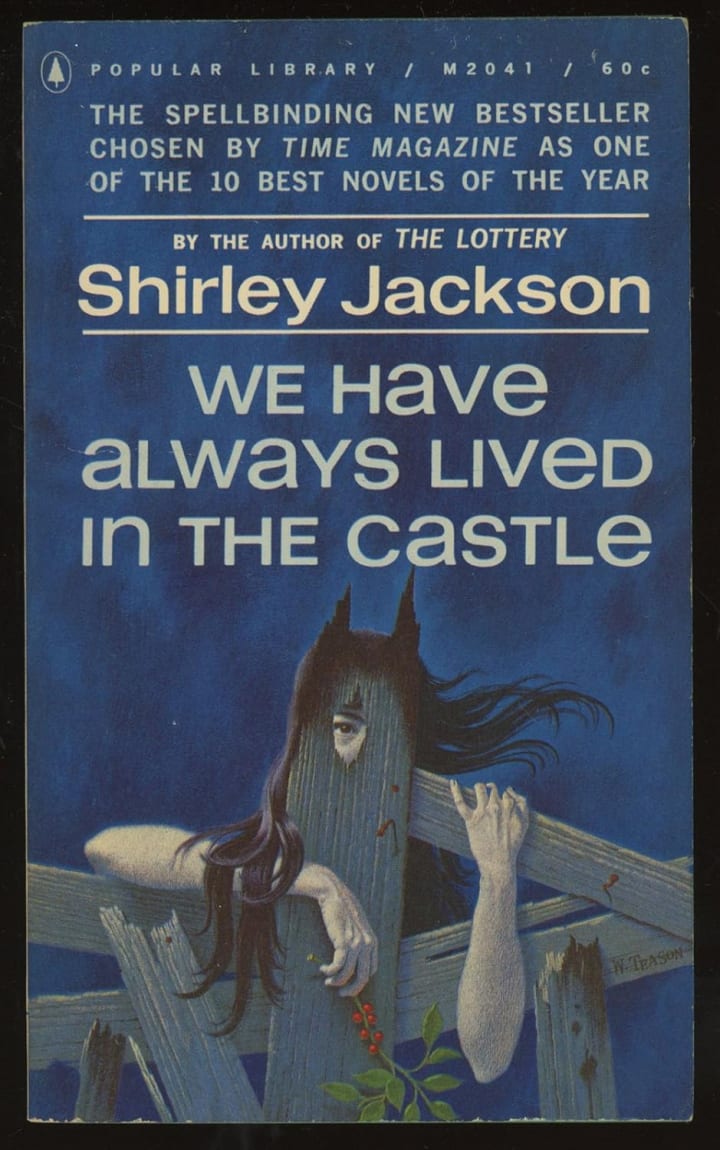
"We Have Always Lived in the Castle" remains a compelling read today due to its timeless exploration of themes such as isolation, family loyalty, and mental instability. Shirley Jackson’s masterful storytelling and her ability to evoke a sense of dread and empathy ensure that the novel continues to resonate with readers, offering profound insights into the human condition and the complexities of societal and familial relationships.
Next Week: The Member of the Wedding by Carson McCullers
About the Creator
Annie Kapur
I am:
🙋🏽♀️ Annie
📚 Avid Reader
📝 Reviewer and Commentator
🎓 Post-Grad Millennial (M.A)
***
I have:
📖 280K+ reads on Vocal
🫶🏼 Love for reading & research
🦋/X @AnnieWithBooks
***
🏡 UK
Keep reading
More stories from Annie Kapur and writers in Geeks and other communities.
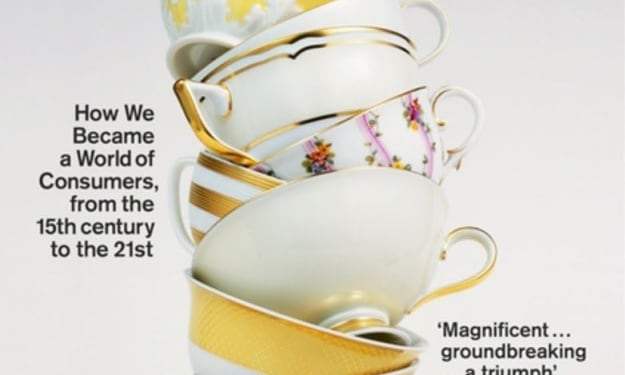
Book Review: "Empire of Things" by Frank Trentmann
As you probably know, I'm still obsessed with reading stuff about consumerism and learning everything there is to know about the topic. I've made so many notes and I've read so much just from reading books that refer to other books. It really has been a great time but, I think I've hit the wall again for now. Empire of Things has been constantly recommended to me for a long while now and so, even though it stands at almost 900 pages, it is genuinely one of the most informative books I've ever read.
By Annie Kapur11 months ago in Geeks
The Rachels - 2025
Much to my surprise, I have kept a list of the films I‘ve seen this year. I daresay it isn’t complete. There will be films that snuck in on a late night in front of the TV that I would’ve forgotten to note. Or others, that I went to watch at the cinema, but then had a red wine and promptly forgotten about. But it’s not a bad approximation of the films I’ve seen this year. In total, there are 53 films listed, so an average of one a week and one for good luck.
By Rachel Robbins25 days ago in Geeks
Grant Gustin's Chances Of Returning As The DC Universe's Flash Have Just Increased After New Update
The Flash has yet to be cast for the new DC Universe, and after a new update, the rumors of Grant Gustin's return as Barry Allen in the new franchise have gained strength once again. Gustin made history by playing Barry for The Flash's nine seasons. The actor also starred in multiple Arrowverse crossovers, becoming one of the franchise's fan-favorites.
By Dena Falken Esq6 days ago in Geeks
Ludacris and Nelly draw backlash over bookings at MAGA-coded music festival
Ludacris and Nelly headlining a mostly right-wing event is good for them. It’s also great for the genre of hip hop. The two rap veterans have showcased their talents on other stages. Why can’t they perform for mostly MAGA folks and grab that bag?
By Skyler Saunders6 days ago in Beat


Comments
There are no comments for this story
Be the first to respond and start the conversation.