
The Stakes Ahead of the 2nd Test
Squad Choices, Tactical Shifts, and What to Expect at The Gabba for the 2nd Test of the 2025 Ashes

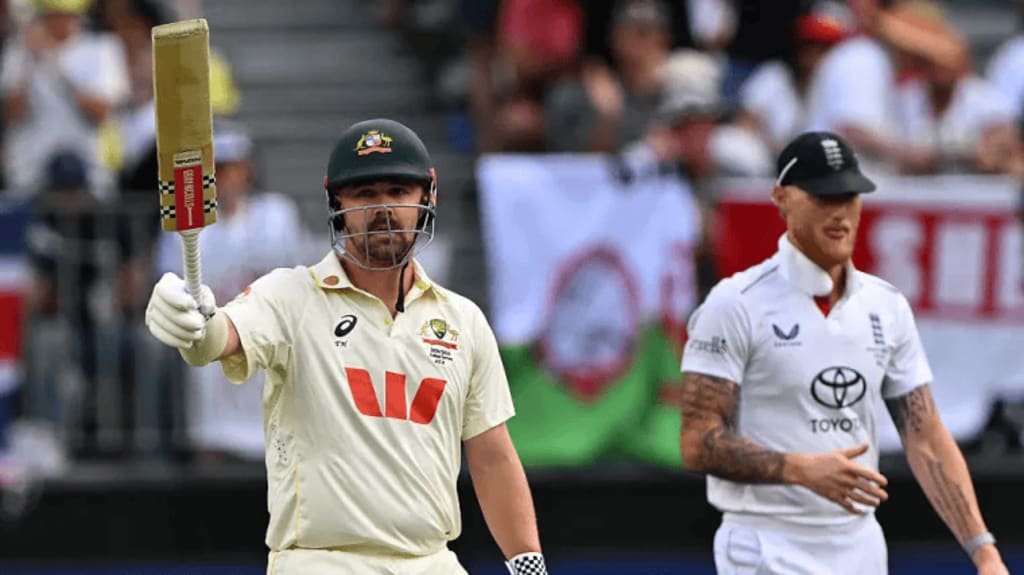
The second Test of the Ashes 2025–26 arrives at The Gabba in Brisbane — a day‑night match under pink‑ball conditions, scheduled to start December 4. After a dominant display by the hosts in the series opener in Perth, Australia leads 1–0, and both sides know that selection choices for this match could shape momentum for the rest of the tour.
For England, it’s a chance to reset after a heavy defeat. For Australia, it’s an opportunity to build on momentum and extend their advantage. Squad composition — how many pacers, whether to include spin, who opens the batting — matters more than ever when twilight, pink ball and Brisbane humidity combine.
Read Also:
England’s Approach: Adaptation and Balance
England have made a single change to their playing XI for the Gabba, reflecting a tactical shift rather than wholesale overhaul.
The injured fast bowler Mark Wood — who bowled in Perth but came under physical strain — is ruled out.
In his place comes all‑rounder Will Jacks, giving the team an extra bowling option while offering batting depth.
Notably, specialist spinner Shoaib Bashir is omitted from the XI; England have opted for a more seam‑bowler–heavy setup.
Thus, the XI reads: Zak Crawley, Ben Duckett, Ollie Pope, Joe Root, Harry Brook, Ben Stokes (captain), Jamie Smith (wicket‑keeper), Will Jacks, Gus Atkinson, Brydon Carse, and Jofra Archer.
Behind the scenes, the full touring squad remains broader — up to 16 players — including seamers Matthew Potts and Josh Tongue among others. The decision to leave Bashir out of the XI, despite being a recognized spinner, underscores England’s belief that pace attack — with Archer, Carse, Atkinson and others — may be the better tool under Gabba’s fast, bouncy conditions and pink‑ball unpredictability.
In effect, England appear to be backing aggression: quick bowling, pace, bounce, and hoping their batters cope under lights. The inclusion of Will Jacks gives them a bit of flexibility — a part‑time bowling angle and batting depth if needed — but the absence of a front‑line spinner shows a clear strategic stance.
The gamble, of course, is whether their seam attack will click enough to threaten Australia, and whether England’s batsmen adapt to what promises to be testing conditions.
Australia’s Lineup: Stability with Questions
Australia have named an unchanged squad for the second Test — indicating confidence in the group that dismantled England in Perth. Their bowling attack remains led by the fearsome pacers Mitchell Starc and Brendan Doggett, supported by Scott Boland and Michael Neser.
Notably, skipper Pat Cummins — recovering from a back stress injury — is not included in the squad. Despite putting in work in the nets and even bowling at full pace in recent sessions, Australia’s selection committee has opted against rushing him back for a day‑night match, keeping him under wraps until later in the series. This decision suggests prudence: they’d rather avoid overtaxing him and risk long‑term fitness.
The top order remains under scrutiny. Veteran opener Usman Khawaja keeps his place in the squad, even though he struggled with back spasms during the Perth Test and did not bat in one of the innings. But stability in selection may pay dividends — especially in a match where the batting conditions under lights might be more favorable than Perth’s.
That said, backing up Khawaja is a batting unit with known runs in smeared form: Travis Head, Marnus Labuschagne, and the ever‑reliable Steve Smith. With a cushion of in‑form batsmen and a potent bowling attack, Australia look well placed to press their advantage.
In short, Australia opt for stability — unchanged personnel, tried‑and‑tested bowlers, and the hope that the Gabba conditions will suit their fast‑bowling attack and give their batters a steady platform.
England’s tactical recalibration
By replacing a frontline quick (Wood) with a more all‑rounder‑type (Jacks) and omitting specialist spin, England have made a clear statement: they want versatility over traditional balance. This could pay off if their seamers exploit the pace and bounce at The Gabba, but it is a double‑edged sword: if conditions flatten out under lights, England may struggle without a specialist spinner to extract turn or variation.
Australia playing it safe — and smart
Keeping the same squad helps with consistency and team cohesion, especially after a dominant win in Perth. Resting Cummins for now could preserve his fitness for later Tests, while relying on their experienced pacers and batsmen to perform. If their bowlers exploit early movement and their batters negotiate the tricky pink‑ball period, the unchanged lineup looks like a sensible choice.
The significance of the pink ball and nighttime conditions
Day‑night Tests with a pink ball are notoriously unpredictable. Swing, seam, visibility, flashpoints: all these play out differently than in traditional red‑ball daylight Tests. For England, the gamble is that their seam‑heavy attack and flexible batting order can adapt better than Australia. For Australia, maintaining a proven core gives them an edge in navigating those conditions with experience.
Pressure, momentum — and psychological edge
Australia’s series‑opening victory will have boosted their confidence. For England, the added pressure could either spur a clinical performance or compound errors. The selection of Jacks over Bashir might also reflect internal messages about mentality: boldness over convention, perhaps even desperation to upset the rhythm. It remains to be seen whether that boldness will pay off or backfire.
What This Means for the Series — and for Fans
The tussle at The Gabba is not just a match — it’s a turning point. If England get it right, adopt a disciplined bowling plan, and see a flash of flashback to the spinners’ glory days, they can bounce back and stay alive. But if Australia’s bowlers hit the deck hard, or their batsmen get deals under lights — they could run through England again.
For fans, it promises fireworks. Fast bowling under lights, the pink ball’s mystery, batsmen adjusting — and the weight of history (Australia haven’t lost at The Gabba to England in decades). The decisions made by both sides show intent, strategy, and in some cases, risk.
Final Thoughts
The 2nd Test of the 2025 Ashes is shaping up to be a fascinating microcosm: experience versus experimentation; caution versus boldness; rhythm versus recalibration.
England’s inclusion of Will Jacks, their decision to omit specialist spin, and their reliance on pace and depth suggest a team trying to reforge identity under pressure. Australia’s continuity, balanced approach and measured rotation show a side confident but cautious — determined to maintain momentum without overextending.
When they take the field at The Gabba, it will be more than eleven players per side — it will be philosophies, gambles, and strategies colliding under lights. For neutral and die‑hard fans alike: the second Test promises to tell us whether this Ashes will remain Australia’s, or whether England can ignite their fight back.
About the Creator
Keep reading
More stories from James S Pope and writers in Geeks and other communities.
The War Between the Land and the Sea: A Mythic Clash Reimagined for Modern Television
Television has long been fascinated by the forces that shape our world—political power, natural disasters, ancient mythologies, and the fragile balance between humanity and nature. But rarely has a show attempted to merge all of these elements into one sweeping narrative. The War Between the Land and the Sea arrives as a bold and ambitious entry into the landscape of prestige fantasy television, offering a story that is equal parts myth, environmental allegory, political drama, and character-driven saga.
By James S Pope3 months ago in Geeks
The Politics of Playing Dress-Up
Well, to start off I'd like to say a happy world book day to all who celebrate. I know I haven't really posted anything on my socials about it but I'm not a jubilant kind of person. I lay low most of the time. Let's start off with a popular anecdote from the vaults...
By Annie Kapur6 days ago in Geeks
Sandshrew Uncovered: The Underground Pokémon That Burrows Its Way to Victory
Sandshrew is one of the most fascinating and strategically valuable Pokémon in the franchise. Despite its modest size and unassuming appearance, this Ground-type Pokémon possesses agility, resilience, and a unique ability to control the battlefield through burrowing and tactical attacks. Sandshrew teaches trainers that size and outward appearances are not the sole indicators of potential, highlighting the importance of strategy, persistence, and careful development.
By Lukáš Hrdlička2 days ago in Geeks


Comments
There are no comments for this story
Be the first to respond and start the conversation.