
The Psychology Of Parasocial Relationships
Understanding the devotion of one sided relationships


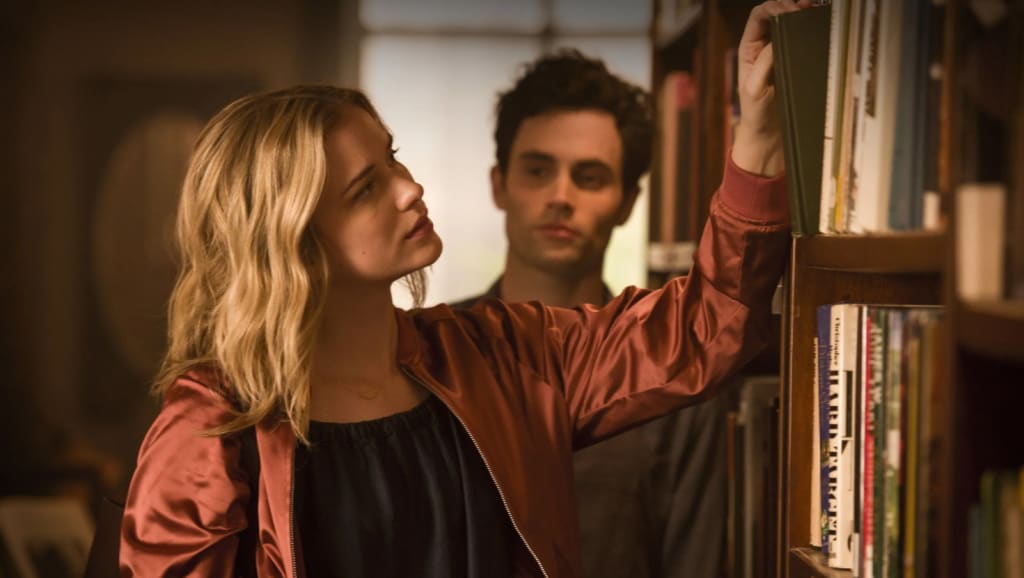
In an era dominated by mass media and an infinite amount of content, people form deep emotional one-sided bonds with celebrities, influencers, and even fictional characters to cope with some of the struggles life throws at them. These one-sided relationships are known as parasocial relationships and they have become a significant area of interest due to the amount of commotion they have caused in recent years.
With about 51% of all Americans engaging in behavior that is in line with parasocial relationships, the number of severe parasocial related incidents such as stalking and harassment cases have also steadily increased. Which begs the question, what compels someone to stalk and harass people they have never met before?
What are Parasocial Relationships?
Parasocial relationships are one-sided relationships people create with a public figure where the figure is completely unaware of the connection and their existence. The term was first coined by Horton and Wohl in their 1956 essay “Mass Communication and Para-Social Interaction”. In the essay, they used the term ‘parasocial interaction’ to describe the illusion of a face-to-face relationship with a media persona.

These relationships are unique to the person who initiates them because they develop a sense of intimacy, familiarity, and even an emotional connection to their ‘target’ despite being completely unreciprocated. While the obsession of celebrity personas are not completely unheard of, the number of parasocial relationships have drastically increased with the rise of social media and streaming culture and these relationships are border lining abhorrent behavior such as stalking, harassing, and even acts of violence.

As such, many psychologists and researchers are trying to understand whether these relationships are a means to help people cope with their personal problems or if this is a rising social epidemic due to a lack of media literacy in our education system.
How Media Illiteracy Is Creating Parasocial Bonds
Media illiteracy is defined as the inability to critically analyze and evaluate media and content appropriately. As social media and streaming culture has drastically altered how we consume content, it has impacted our ability to objectively take in this content in a consistent and healthy manner.
Considering how media literacy is a skill that is not taught in our education system, the inability to separate digital content as mere entertainment vs personalized pieces has inadvertently made people unable to differentiate a traditional friendship and a parasocial one. Furthermore, any behaviors that are exhibited to be parasocial are strengthened by dedicated fandoms and the devout fans within.

According to Social Identity Theory, it explains how people define their sense of self and identity from the groups they associate with. While this association is great for those who desire social interaction with people who share similar interests, Social Identity Theory explains that this interaction can influence their behavior regardless if it is good or bad.
In the context of parasocial relationships, people who initially join a fandom based around their favorite franchise or media persona can be potentially influenced by parasocial fans and cause them to develop parasocial relationships of their own. While the dedication of the relationship is dependent on the nature of the fandom, any odd behaviors a parasocial fan may exhibit will possibly be supported and even nurtured by other like minded people.
For example, the 2023 indie horror game Parasocial by Chilla’s Art is about a Vtuber whose identity was revealed by a hacker and is forced to deal with an obsessive parasocial fan while trying to figure out who she can trust. The game is a chilling experience that shines a light on the darker side of online fame, obsessive fandoms, and how manipulative people can be.
Furthermore, the game exemplifies the dangers of stalkers that develop a parasocial relationship and how they are supported and even encouraged by like other minded people. While parasocial relationships can provide a sense of belonging and identity to those who need it, they can also have negative psychological impacts that are detrimental in the long run for them and their target.
The Theory of Uses and Gratifications
In order to determine whether parasocial relationships are healthy or not, we need to look into several theories that addresses some of the most commonly found traits in parasocial relationships. The Uses and Gratifications Theory (UGT) provides further insight into why people seek out parasocial relationships.
The UGT explains how people actively seek out media in our pop culture to satisfy specific psychological needs such as entertainment, social interaction, relaxation, and escapism. From this perspective, parasocial relationships are not just incidental side effects of media consumption; they are actively cultivated by people who find emotional or cognitive benefits from them.

As many viewers may turn to television shows, musical performances, YouTube channels, or social media accounts to fulfill needs that real-life interactions may not adequately meet, they may form parasocial bonds because these sources of entertainment are providing them a sense of comfort and a personalized experience.
Japanese idol culture is one of the most notable examples that showcases this, because many idol fans and enthusiasts are attracted to the feeling and social interaction they receive when they go to a concert or attend a meet and greet. Because they are not able to reciprocate that feeling in their day-to-day, they become avid fans who constantly come back for the experience.

For example, anime characters such as Shinpachi from Gintama and Todo from Jujutsu Kaisen are avid idol enthusiasts who got into the fandom because of how the music and live performances gave them a sense of excitement and wonder that was absent in their daily life. While their enthusiasm borders parasocial-esque behaviors, they are mindful of that line and are still considered to be on the healthier side of idol fandom compared to those who take it to a dark obsessive level.
For instance, the 2020 anime series, Oshi no Ko and the 1997 movie, Perfect Blue showcases the darker side of idol fandom by highlighting how quickly these parasocial relationships can deteriorate especially when their “Idol” does something that goes against their perception of them.
This can be as something as normal as making a change in their career or getting involved in a committed relationship, and when it goes against the fan’s perception, they can become dangerously erratic, overemotional, self-entitled, and eventually cross a line that cannot be returned.
While these instances are fictional, there have been real life cases of the same caliber. However, the fact that idol companies purposefully nurture and develop a dedicated fan base in the hopes to make as much money as possible, makes it difficult to combat or deter against this kind of behavior. Despite this, it has given researchers a better understanding at parasocial relationships and how these obsessive behaviors develop at their core.
The Theory of Personal Attachments
At the base of these one-sided relationships, a deep sense of attachment is how parasocial relationships come to be. According to John Bowlby’s Attachment Theory, he proposes that people have an inherent need to form emotional bonds with others.
While the theory itself is mainly focused towards children and their caregivers, the theory has been extended to adult relationships, because our attachment to others whether they are family, friends, or lovers can provide a sense of comfort, security, and a sense of belonging.
In the context of parasocial relationships, people who are experiencing loneliness or social isolation may seek out emotional security and comfort from celebrities and influencers because these figures are always “there for them”. While their presence is largely in the form of published content and performances (books, movies, tv shows, musicals, live shows, etc.), fans rely on this connection to regulate their emotions, particularly in times of distress or anxiety.
While this attachment can be healthy as it can manifest into a form of inspiration, it can easily deteriorate into an unhealthy obsession and negatively impact people’s mental health even further. For instance, Stephen King’s, Misery is a perfect example of how a parasocial relationship can be harmful for fans who have become severely obsessed with celebrity figures after enjoying their published content too much.
Cathy Bate’s performance as Annie Wilkes in the 1990 Misery adaptation perfectly showcases how extreme attachment can lead parasocial fans to feel a sense of entitlement and the depths they are willing to go in order to turn a parasocial relationship into a traditional one. In addition, the film highlights how easily they can spiral out of control when their expectations doesn’t meet their reality.
Granted, Annie Wilkes exhibited behaviors that ventured into serial killer territory, but there is no denying that underlying mental health conditions and obsessive tendencies can intensify the negative aspects of parasocial relationships. Obsessive-compulsive behaviors, anxiety disorders, and delusional thinking can all contribute to unhealthy attachments especially in an era where social media give people continuous access to public figures and their lives.

While the efforts to treat mental disorders and depression has gotten better in the past two decades, there is still more work that can be done before parasocial relationships are distant memory. Considering the extreme lengths parasocial fans will go to when things don’t go their way, it is safe to come to the conclusion that parasocial relationship are not healthy and we as an audience should regulate these parasocial attachments before it consumes us and takes us to a dark place.
How to Avoid Being Parasocial?
Parasocial relationships are hard to avoid as social media platforms curate content in a way that is available in every possible outlet imaginable. However, the best ways to avoid becoming stuck in the parasocial rut is to venture out of your comfort zone and redirect your focus to a variety of activities and other areas of interests.
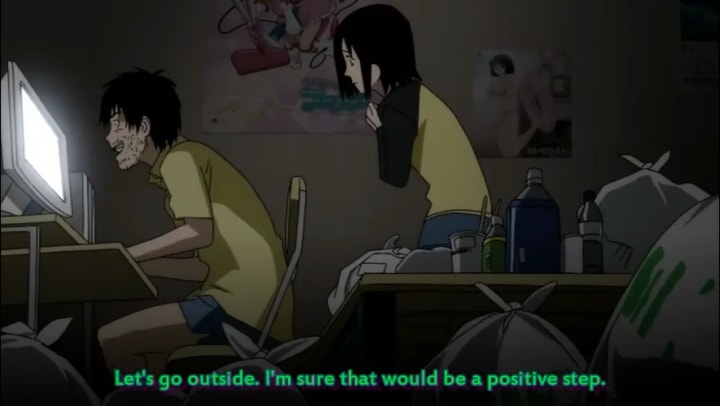
By doing so, you will be able to avoid developing a one-sided bond that goes nowhere and you will be able to take more control of your attachments. While it may be easier said than done, but understanding the motivations, behaviors, and emotions that drive parasocial relationships, we can make choices that are beneficial for us and for those who make a living in entertainment.
What do you think? Are you in a parasocial relationship? If you liked what you read, be sure to like and follow for more related content!
About the Creator
Jay Kobayashi
A starving writer from LA who aspires to be plagiarized one day. I like to write about academic pieces that identifies philosophy and psychology in pop culture, and sometimes random fun pieces that interests me or the algorithm!
Keep reading
More stories from Jay Kobayashi and writers in Geeks and other communities.
The Psychology Of Micromanaging
"Micromanagement" a term that evokes frustration and annoyance in the workplace, is a management style characterized by excessive control, close supervision, and an inclination to scrutinize every detail of an employee's work. Anyone who has worked with a micromanager will understand that these kinds of people have a tendency to be the worst during work.
By Jay Kobayashi2 years ago in Geeks
A Bird in the Air (2011) - A Movie Review
A parrot found me. A Bird of the Air is a 2011 film based on the novel, "The Loop," written by Joe Coomer. Fiona and Lyman are brought together when they discover a stray parrot. They figure out how to make a relationship work while studying the origins of this parrot.
By Marielle Sabbag2 days ago in Geeks



Comments (6)
wonderfull
Really interesting to read! It’s crazy how people can get so attached to someone they’ve never met. Social media really changes how we see relationships these days.
Boost your logic and mental skills with fun online games at https://iogamesio.com!
This was quite an interesting perspective of this escalating phenomena.
Parasocial relationships can play a significant role in fulfilling human needs for connection in today's media-driven world. They are complex and can have both positive and negative psychological impacts depending on the individual’s mental health, social context, and level of engagement with real-world relationships.
Am I in a parasocial relationship? Maybe. Do I have a favorite streamer to whose content I binge and whose catchphrases I repeat, essentially convincing myself that they are my best friend? Absolutely. But hey, I'm not sending them a friendship bracelet anytime soon!