
The Beautiful and the Damned by F. Scott Fitzgerald
Why It's a Masterpiece (Week 56)

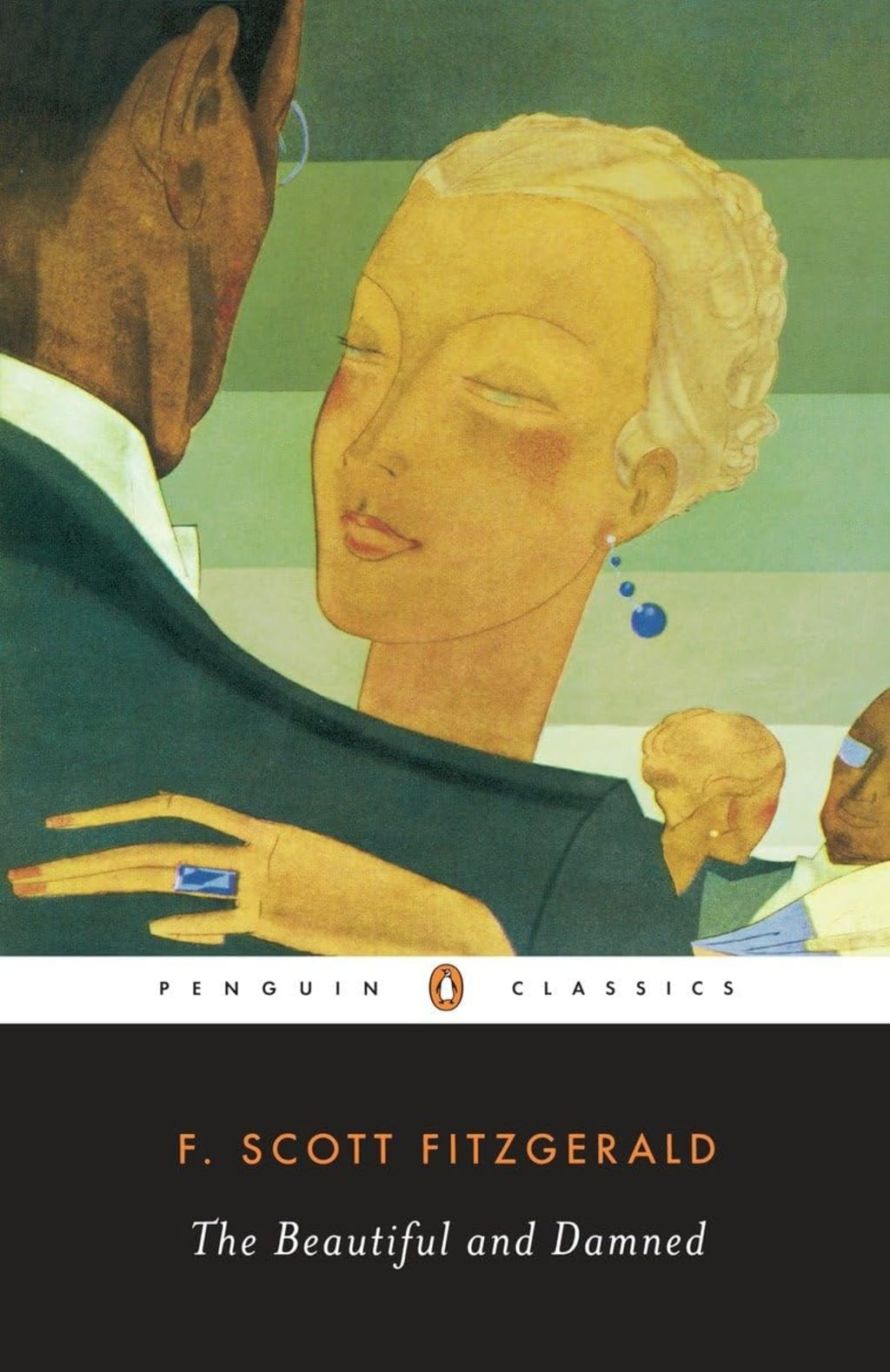
The Beautiful and the Damned, published in 1922, was F. Scott Fitzgerald’s second novel and is considered one of his finest explorations of the Jazz Age’s indulgence and decadence. Following the success of his debut novel This Side of Paradise, Fitzgerald was under considerable pressure to deliver a compelling follow-up. His first book had established him as a notable new voice in American literature, and he hoped The Beautiful and the Damned would solidify his position.
The novel, originally serialised in Metropolitan Magazine in late 1921 before its full publication by Scribner’s in March 1922, was crafted amidst Fitzgerald’s personal experiences and struggles. At the time, he was grappling with both newfound fame and financial instability. He and his wife, Zelda, had become prominent figures in New York’s social scene, embodying the excesses and turmoil of the Jazz Age—a lifestyle that influenced his writing. The couple’s marriage and social ambitions would echo the themes of the novel, which explores themes of love, ambition, and disillusionment through the lives of Anthony Patch and his wife, Gloria.
Though The Beautiful and the Damned was initially met with moderate critical acclaim, responses were mixed. Many reviewers praised Fitzgerald’s stylistic skill and his incisive social critique, while others criticised the characters as unlikeable and the plot as meandering. Over time, however, the novel gained greater recognition for its perceptive portrayal of the era’s moral and cultural complexities. Fitzgerald’s characters personified the anxieties and conflicts of a generation reckoning with shifting social values, materialism, and personal identity.
Plot
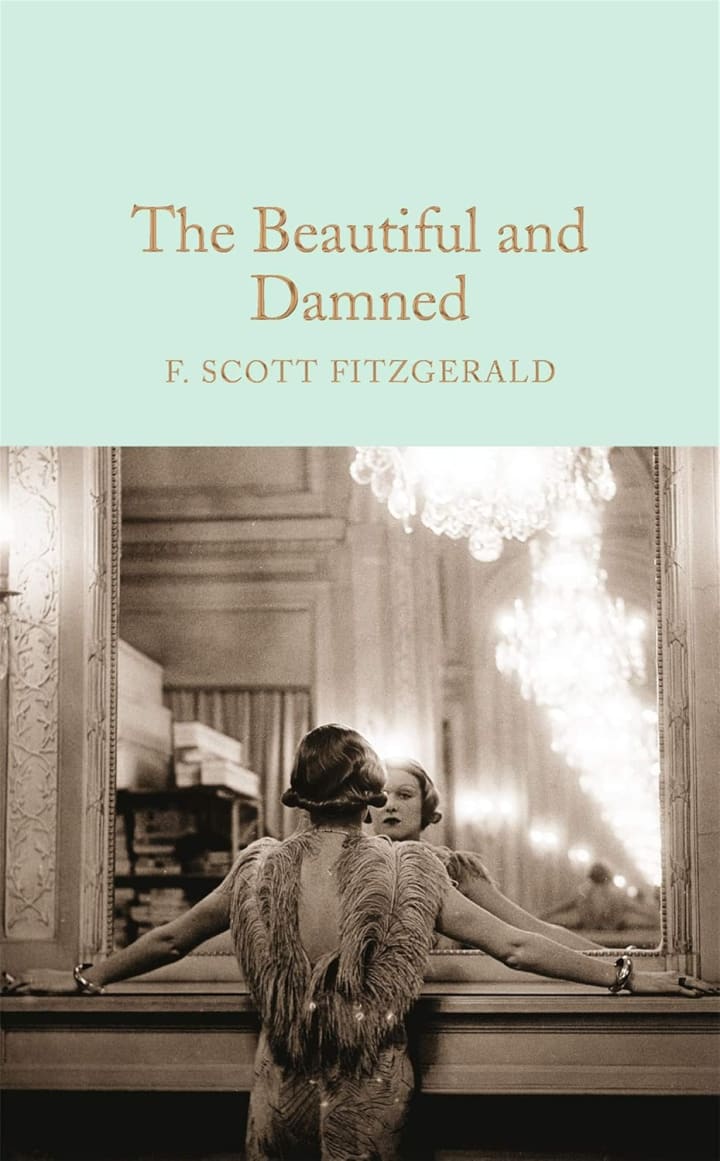
It follows the story of Anthony Patch, a privileged young man and heir to a substantial family fortune. Set in New York during the Jazz Age, the novel explores the lives of Anthony and his wife, Gloria, as they become entangled in the era’s decadence and moral ambiguity.
Anthony is the grandson of Adam Patch, a self-made millionaire with strict moral values. Expected to inherit his grandfather's fortune, Anthony lives a life of luxury and leisure, avoiding meaningful work or responsibility. He spends his days dabbling in intellectual pursuits and socialising, but his main ambition is to enjoy life without restraint. His outlook changes when he meets and marries the beautiful Gloria Gilbert, a vivacious young woman whose carefree charm matches his own sense of entitlement. The couple fall deeply in love, but their relationship is fraught with vanity and impulsivity, traits that will ultimately shape their fates.
As they settle into married life, Anthony and Gloria revel in extravagant parties, nights out, and indulgent getaways, all funded by Anthony’s inheritance, which he is still awaiting. They both nurture dreams of a glamorous future, but their excessive lifestyles come at a cost. Gradually, the cracks begin to show in their relationship, exacerbated by jealousy, resentment, and dissatisfaction. Gloria’s beauty, once her greatest asset, starts to fade, and Anthony’s initial ambition erodes into bitterness and despair.
When Anthony's grandfather dies, leaving the inheritance in question, the couple's dreams of financial security are dashed. Driven by desperation, Anthony enters a protracted legal battle over his grandfather’s fortune, which stretches out for years. As the case drags on, Anthony and Gloria’s wealth dwindles, and their lives spiral further into decadence, depression, and self-destruction. Anthony becomes an alcoholic, his mental and physical health deteriorating, while Gloria descends into an embittered state, trapped by her lost beauty and fading social status.
The novel culminates in a tragic portrayal of their moral and emotional decline. By the end, Anthony wins his legal battle, securing the inheritance he so desperately sought, but he is a shell of his former self. The once-vibrant couple is left hollow and disillusioned, having sacrificed their happiness, health, and love for wealth and social standing.
Into the Book
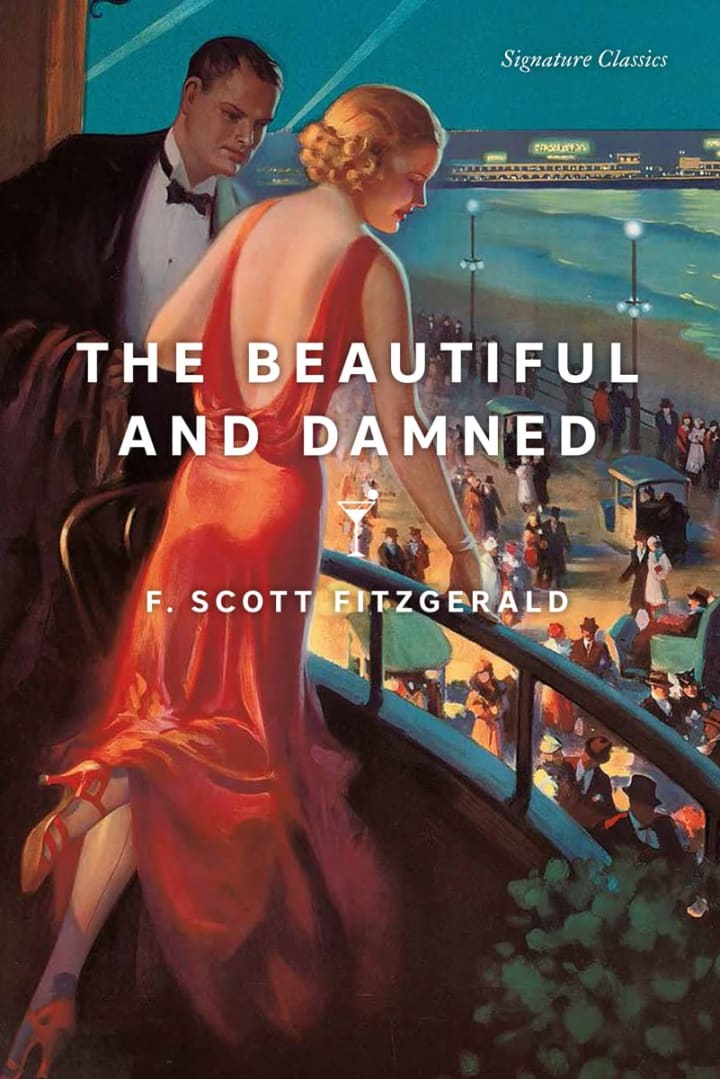
One of the novel’s central themes is the corrupting nature of wealth, particularly when inherited rather than earned. Anthony Patch is the heir to his grandfather’s fortune, which he eagerly anticipates without feeling any obligation to work or prove his worth. This expectation of effortless wealth breeds a sense of entitlement and laziness, as Anthony dedicates his life to leisure, debauchery, and an intellectual facade rather than cultivating a meaningful career.
The fortune he awaits becomes a central focus, and his fixation on it leads him to avoid taking control of his own destiny. When the inheritance is called into question, the true extent of wealth’s hold over Anthony and Gloria becomes evident. Their desire for financial security and social status ultimately blinds them to the damage being done to their mental health and relationship, demonstrating Fitzgerald’s critique of how wealth can become a debilitating obsession, leading to moral and emotional decay.
“Things are sweeter when they're lost. I know--because once I wanted something and got it. It was the only thing I ever wanted badly, Dot, and when I got it, it turned to dust in my hand.”
- The Beautiful and the Damned by F. Scott Fitzgerald
Vanity plays a pivotal role in The Beautiful and the Damned, especially in the lives of Anthony and Gloria, who are infatuated with beauty, status, and superficial qualities. Gloria’s self-worth is heavily tied to her physical appearance, and her beauty becomes both her greatest asset and her ultimate downfall. As she ages, her vanity makes it difficult for her to accept the inevitability of time, resulting in bitterness and frustration. Similarly, Anthony is consumed by his sense of entitlement and social superiority.
He views himself as intellectually gifted, priding himself on his cultured background and appearance, yet he accomplishes little. Their shared vanity fosters a superficial and self-centred marriage, in which they admire each other’s looks and social potential but lack any deeper connection. Over time, as Gloria’s beauty fades and Anthony’s opportunities diminish, the emptiness of their values becomes apparent, showing how vanity can trap individuals in a cycle of disappointment, envy, and despair.
“Here's to alcohol, the rose coloured glasses of life.”
- The Beautiful and the Damned by F. Scott Fitzgerald
Fitzgerald’s portrayal of the American Dream is another critical theme in The Beautiful and the Damned. The American Dream, often idealised as the pursuit of success and happiness through hard work and determination, is turned on its head in this novel. Anthony and Gloria are part of a generation that has come to expect wealth and pleasure without the struggle or sacrifice associated with achieving the American Dream. They are initially intoxicated by visions of a carefree, glamorous life, expecting material wealth to secure their happiness and fulfilment.
However, as their fortunes decline, they are confronted with the hollowness of their dreams. Anthony’s inheritance, once the symbol of his future security and joy, becomes a curse that drives him to desperation and ruin. Their story exposes the flawed belief that wealth alone brings happiness and suggests that the pursuit of luxury without purpose leads to disillusionment and despair. By contrasting the characters’ initial expectations with their ultimate downfall, Fitzgerald presents a sobering view of the American Dream’s limitations and the dangers of a life built solely on material aspiration.
“Tired, tired with nothing, tired with everything, tired with the world’s weight he had never chosen to bear.”
- The Beautiful and the Damned by F. Scott Fitzgerald
Why It's a Masterpiece
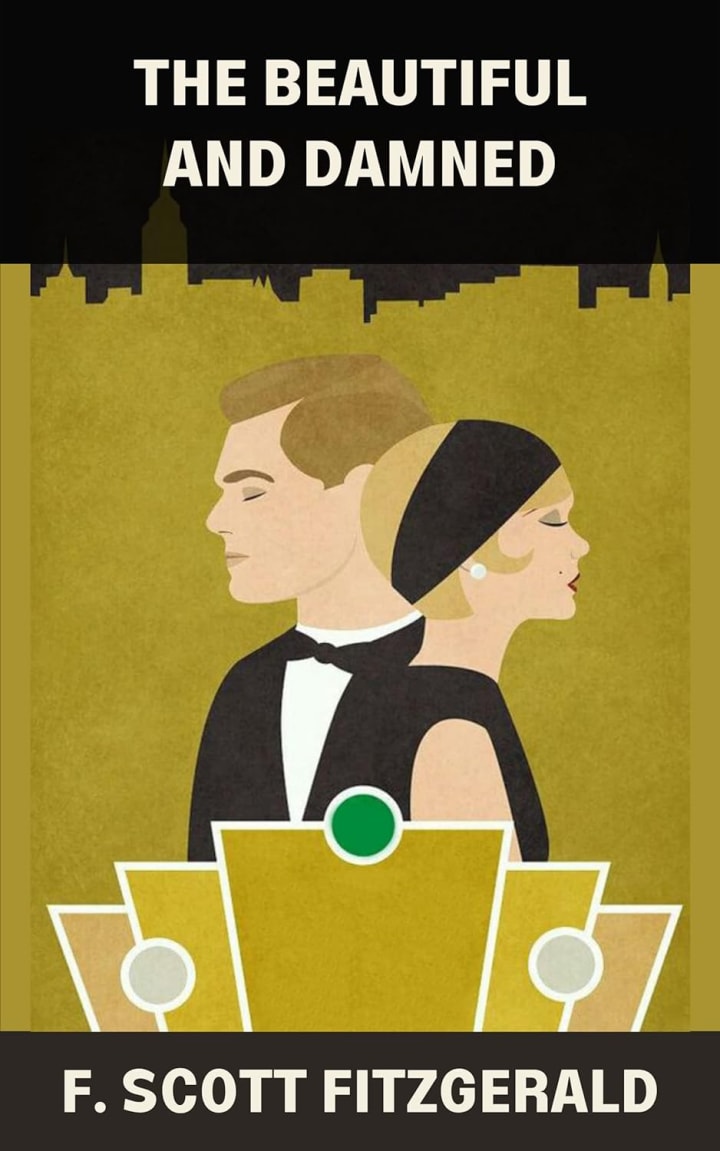
One of the defining qualities of The Beautiful and the Damned is its incisive depiction of the Jazz Age. Written during a time of social and economic transformation, the novel captures the hedonistic lifestyle and pursuit of pleasure that characterised the post-World War I period in America. Fitzgerald was not only an observer of this world but also a participant, giving him the unique ability to represent the era with authenticity and depth.
His descriptions of extravagant parties, lavish lifestyles, and the moral compromises of the time are brought to life through rich, evocative language, illustrating the contradictions and eventual disillusionment of the age. This portrayal has made the novel essential reading for those seeking insight into the 1920s and its cultural impact.
Beyond its cultural relevance, The Beautiful and the Damned is celebrated for its complex characters, particularly in the protagonists Anthony Patch and Gloria Gilbert. Fitzgerald skillfully reveals the inner lives of these characters, exposing their ambitions, insecurities, and ultimately, their decline. Anthony’s fixation on his grandfather’s wealth and his failure to find purpose or identity beyond it is tragically compelling.
Gloria, too, is rendered with depth as a character whose beauty and charm, once her greatest strengths, become a source of regret and frustration as she ages. Fitzgerald avoids simple moral judgments, instead presenting Anthony and Gloria’s lives as a blend of tragic flaws and relatable desires. This psychological realism and character complexity contribute to the novel’s reputation as a masterpiece, as readers can see themselves in the characters’ dreams and disappointments.
Conclusion

I hope you have enjoyed learning about The Beautiful and the Damned and I also hope it will give you the opportunity to look more closely at Fitzgerald's work beyond The Great Gatsby. There are many great tales by this author and if you do not mind, I would like to recommend my favourite which is a short story entitled: The Diamond as Big as the Ritz.
Next Week: Thousand Cranes by Yasunari Kawabata
About the Creator
Annie Kapur
I am:
🙋🏽♀️ Annie
📚 Avid Reader
📝 Reviewer and Commentator
🎓 Post-Grad Millennial (M.A)
***
I have:
📖 280K+ reads on Vocal
🫶🏼 Love for reading & research
🦋/X @AnnieWithBooks
***
🏡 UK
Keep reading
More stories from Annie Kapur and writers in Geeks and other communities.
Book Review: "This is Why You Dream" by Rahul Jandial
I had absolutely no intention of reading this book seeing as I was already well read in the department of dream theory and thought it was a load of tripe. I don't think though I have ever been happier to be proven wrong. There's a lot of contention about what dreams 'mean' and I don't think I have ever thought something was more rubbish than that Freudian stuff everyone's always going on about. Jandial though, takes a different approach. Instead of prescribing meaning to your dreams, he instead tells you why you are actually dreaming at all. Instead of Freudian psychology, he looks at neuroscience. This book is a wonderful companion to Matthew Walker's phenomenal Why We Sleep.
By Annie Kapur10 months ago in Geeks
Marvel Zombie
The last entry into our 2025 superhero projects catalogue is Marvel Zombies. This was a show that was anticipated by absolutely no one and it disappeared from the public consciousness as quickly as it was released. There was nothing special about the project that made it a must see, or a must remember. In fact if anything it's a must forget.
By Alexandrea Callaghan28 days ago in Geeks
Rental Family
Set in modern Tokyo, Rental Family is a drama-comedy following an American actor, Philip (Brendan Fraser) who lands an unusual job working for a Japanese ‘rental family’ company. It is co-written and directed by Japanese actress and director Hikari and is an international co-production between Japan and the US. But here in the UK, the critics hated it. The Guardian described it as ‘mawkish’ and The Independent as ‘treacly’. So, what does it say about me, that I liked it?
By Rachel Robbinsa day ago in Geeks
The Path to Salvation
The late autumn evening air filled the monk's lungs, but it wasn't the season that chilled his bones. The heavy-handed presence of evil he had sensed upon entering the woods surrounding this mountain village had not bothered to conceal itself from him.
By Made in DNAa day ago in Fiction



Comments (1)
How you highlighted the tension between beauty, excess, and the inevitable decay that follows. The way you connected Fitzgerald’s critique of the American Dream and its consequences was spot-on. It’s a powerful reminder of how the pursuit of pleasure and wealth can lead to personal destruction, and your analysis brought those themes to the forefront in such a compelling way.