celebrities
Top celebrities in the geek entertainment and comic convention business. Our favorite geek advocates.
Is Toby Fox Actually Involved in Toy Story 5? Fans Spiral After Viral Post
So here we are - somehow living in a world where a fifth Toy Story movie is real. The first teaser for Toy Story 5 is attached to theatrical releases ahead of its June 19, 2026 premiere, and honestly… that alone is wild.
By Bella Anderson10 days ago in Geeks
The Terrific and Stellar Career of Eric Dane
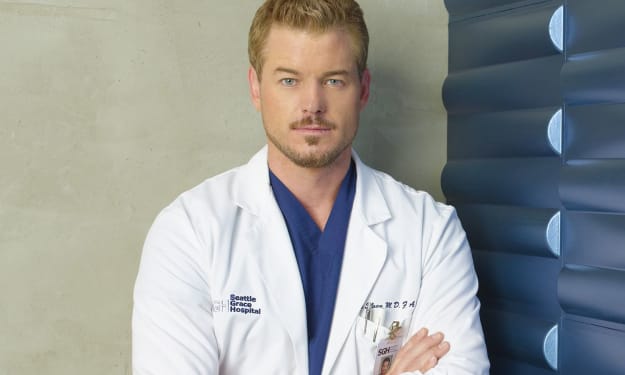
On February 19, 2006, viewers and fans of ABC's hit series, Grey's Anatomy, were introduced to Dr. Mark Sloan, who was dubbed with the famous nickname, "McSteamy," by many fans. Eric Dane played this amazing character beginning with that evening's episode, "Yesterday," which was the 18th episode of the show's second season.
By Clyde E. Dawkins11 days ago in Geeks
Phyllis calls Daniel a traitor on The Young and the Restless
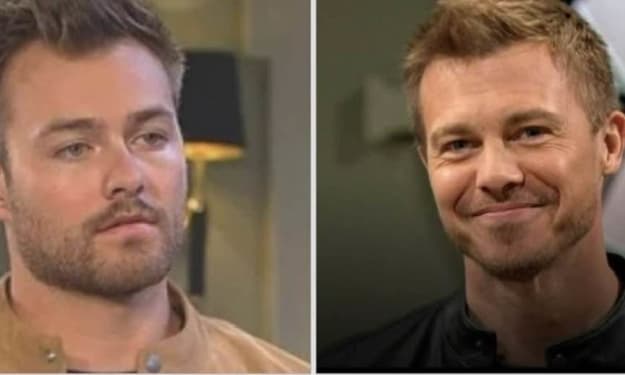
Will Daniel and Phyllis become estranged again? When is enough enough? It appears that Daniel Romolatti might be answering this question on Monday on The Young and the Restless. Phylis Summers will turn on her son and call him a traitor which is the pot calling the kettle black.
By Cheryl E Preston11 days ago in Geeks
What long-lost Horton will appear in 2026 on Days of Our Lives?
The Horton House is a home for everyone The Horton home on Days of Our Lives has turned into a hotel for family members returning to Salem and has become a haven for misfits. Tom and Alice Horton (MacDonald Carey and Francis Reid) raised their four children in the house, but now it has become the abode for blended families, in-laws, and strays.
By Cheryl E Preston12 days ago in Geeks
"Solo Mio" (2026): A Fresh Romantic Comedy
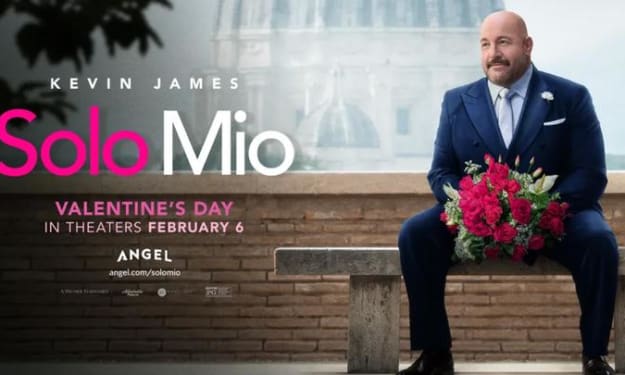
Love brings challenges and adventures. Solo Mio flew into theaters in 2026. Matt Taylor’s fiancée stands him up at the altar. As he attempts to find answers about his lost romance, Matt ventures the streets of Rome doing activities alone. In his journey, he meets new people.
By Marielle Sabbag12 days ago in Geeks
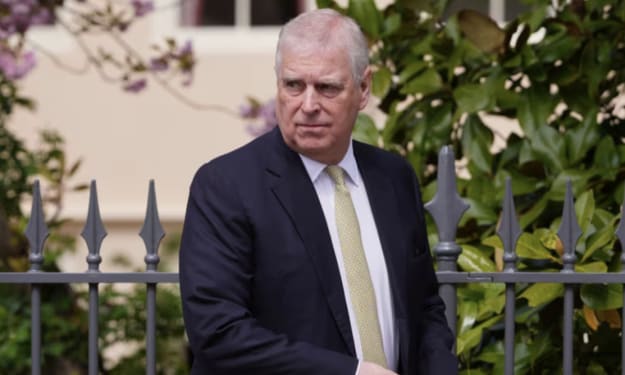
Prince Andrew Arrested: Misconduct in Public Office Allegations Explained Amid Epstein Files Fallout
Former British royal Andrew Mountbatten-Windsor, once known as Prince Andrew, was arrested on February 19, 2026, on suspicion of misconduct in public office, authorities confirmed in a statement released by Thames Valley Police. The arrest — one of the rarest involving a senior member of the British royal family — centers on allegations that surfaced after the release of hundreds of thousands of documents tied to the late financier Jeffrey Epstein and his associates.
By Raviha Imran12 days ago in Geeks
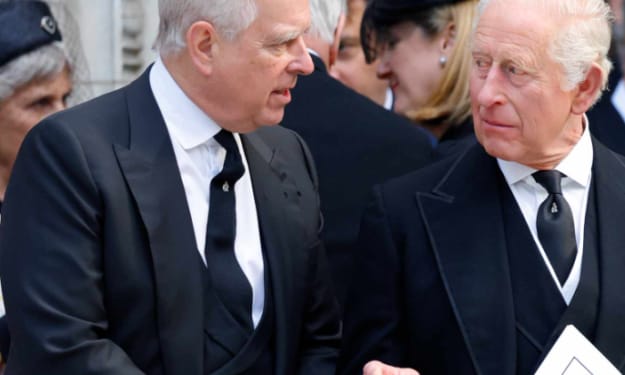
Was King Charles warned of the arrest of the former Prince Andrew?
Was King Charles warned? On Thursday, February 19, 2026, UK police arrested Andrew Mountbatten-Windsor (the former Prince Andrew) on his 66th birthday. At around 8:00 a.m. local time, six unmarked police vehicles arrived at Wood Farm, on the Sandringham Estate in Norfolk, which is Andrew's current residence.
By Cheryl E Preston12 days ago in Geeks
celebrities in Epstein Files!
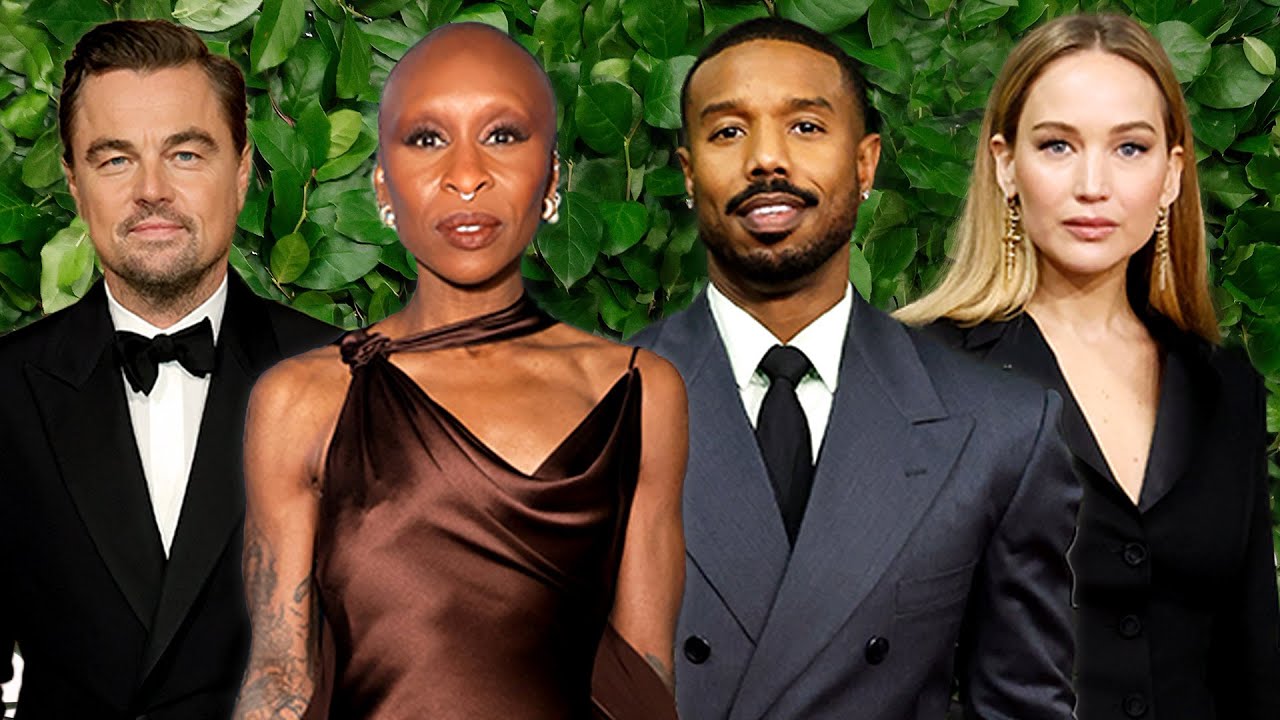
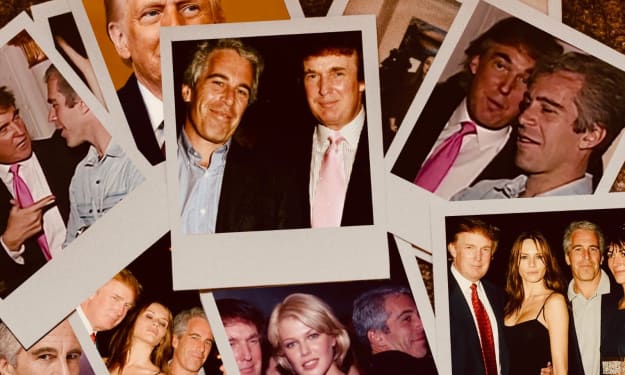
The release and continued examination of documents commonly referred to as the “Epstein files” has generated intense global interest, largely because of the number of prominent public figures whose names appear within them. These records—stemming from lawsuits, depositions, flight logs, and court filings connected to the late financier Jeffrey Epstein—have fueled widespread public debate about accountability, media responsibility, and the difference between documented association and proven wrongdoing. Understanding the context of these files is essential to avoid misinformation and to maintain a professional, evidence-based perspective.
By shaoor afridi12 days ago in Geeks
Regina Spektor's FAR (album review)
Regina Spektor's 2009 album Far,* her fifth studio effort, arrives like a whimsical comet streaking through the indie-pop cosmos--bright, unpredictable, and leaving trails of introspection in its wake. Produced with the polished touch of multiple heavyweights like Jeff Lynne and Mike Elizondo, Far refines Spektor's signature blend of piano-driven quirkiness, vocal acrobatics, and lyrical depth without sanding off her eccentric edges. It's an album that feels both intimate and expansive, as if Spektor is whispering secrets from a crowded room while gazing at distant stars. Clocking in at just over 45 minutes, it explores the absurdities of existence through a lens that's equal parts playful and profound, inviting listeners to laugh, cry, and ponder the human condition. But beneath the melodic charm lies a rich vein for analysis: from psychological unravelings to sociopolitical undercurrents, Far begs to be dissected like a dream journal scribbled in the margins of a philosophy text.
By ANTICHRIST SUPERSTAR13 days ago in Geeks
Our Lady Peace's CLUMSY (album review)
Our Lady Peace's 1997 sophomore album Clumsy* crashes onto the alt-rock scene like a meteor from the Canadian suburbs--raw, introspective, and laced with the kind of anthemic hooks that defined the post-grunge era. Frontman Raine Maida's lyrics, paired with the band's muscular yet melodic soundscapes (courtesy of guitarist Mike Turner, producer Arnold Lanni, and drummer Jeremy Taggart), transform personal turmoil into universal anthems. Clocking in at around 45 minutes across 11 tracks, Clumsy builds on their debut Naveed by amplifying the emotional stakes: it's less about ethereal mysticism and more about the gritty grind of identity, alienation, and the quiet wars men wage against themselves and society. Released amid the tail end of grunge's heyday, it captures the 90s zeitgeist--think flannel-clad existentialism meets radio-friendly riffs--while probing deeper into the psyche. Entertaining as a head-banging road trip companion, it's thought provoking as a mirror to male vulnerability, making it a staple for anyone who's ever stared at the ceiling at 4 a.m., questioning everything.
By ANTICHRIST SUPERSTAR13 days ago in Geeks