
Revolutionizing Waste: How Smart Waste Management Is Transforming Cities
Making Cities Cleaner and Greener with Smart Waste Solutions

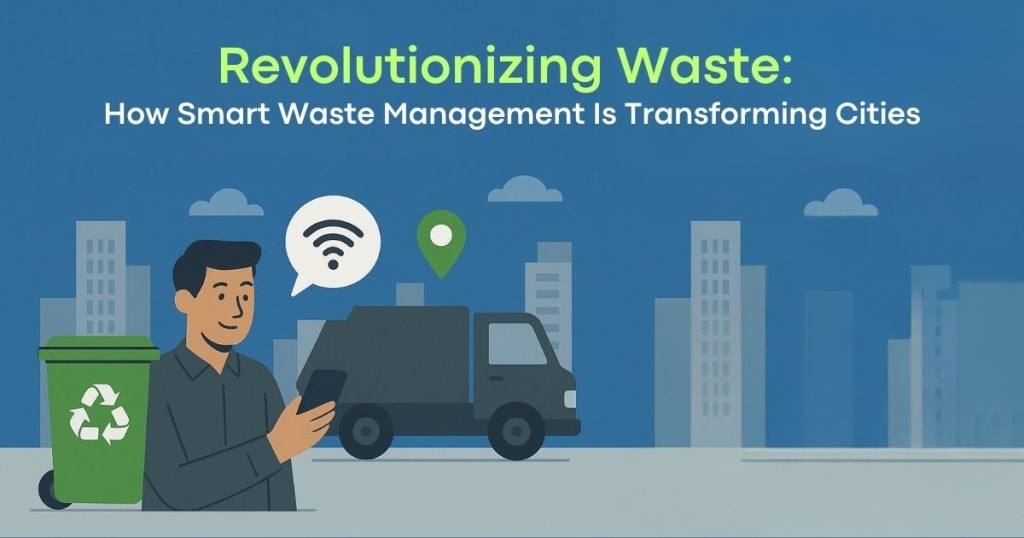
The amount of waste generated in cities around the world is reaching unprecedented levels. By 2025, the global urban population will generate over 2.2 billion tons of waste annually, and this number is expected to increase to 3.4 billion tons by 2050. Urban centers are struggling to keep up with this surge, leading to issues like overflowing bins, inefficient waste collection, and environmental degradation. Traditional waste management methods, such as scheduled pickups and landfill dumping, are no longer sufficient. The solution? Smart waste management systems. These innovative technologies utilize sensors, data analytics, AI, and real-time tracking to optimize waste collection, improve recycling rates, and reduce operational costs.
What is Smart Waste Management?
Smart waste management refers to the integration of digital tools and technologies into waste collection, transportation, recycling, and disposal processes. This system makes use of technologies such as Internet of Things (IoT) sensors, AI algorithms, data analytics, and mobile applications to monitor, control, and optimize the waste management process in real-time. This digital transformation in waste management enables cities to become more efficient, reduce their carbon footprint, and promote sustainable practices.
Smart waste management systems use connected devices to track and manage waste in a way that was impossible with traditional systems. The data generated helps municipalities to make informed decisions, improving overall waste management efficiency and making cities cleaner and greener.
Key Features of Smart Waste Management Systems
1. IoT-Based Monitoring of Waste Bins
One of the core components of smart waste management is the use of IoT sensors installed in waste bins. These sensors measure the fill levels of trash bins, allowing waste collection teams to monitor and track waste levels remotely in real time. The system can notify authorities when bins are nearing full capacity, eliminating the need for regular, fixed-interval pick-ups. This results in fewer waste collection trips, reduced fuel consumption, and minimized truck emissions.
The ability to monitor waste levels in real-time helps prevent issues such as overflowing bins, which not only keeps cities clean but also prevents illegal dumping, reducing the environmental impact of waste accumulation.
2. AI and Machine Learning for Route Optimization
AI and machine learning play a crucial role in smart waste management by helping cities optimize waste collection routes. Through the analysis of historical and real-time data, AI algorithms can determine the most efficient routes for waste collection trucks, taking into account factors such as traffic conditions, fill levels in bins, and the type of waste. This ensures that trucks follow the shortest and least congested paths, which significantly reduces fuel consumption and operational costs.
These systems also have the ability to predict future waste generation patterns, allowing waste management authorities to plan more effectively, reduce fleet size, and make better decisions about resource allocation.
3. GPS and Fleet Management for Real-Time Tracking
Smart waste management systems utilize GPS tracking to monitor the location and performance of waste collection trucks. This enables real-time tracking of vehicles, helping supervisors ensure that trucks are following designated routes, operating efficiently, and maintaining optimal speeds. The data also allows fleet managers to monitor driver behavior and ensure compliance with safety and environmental standards.
By knowing the exact location of every truck, managers can re-route vehicles to areas that need urgent attention, further improving operational efficiency. Real-time GPS data also helps in predicting and preventing breakdowns by scheduling maintenance based on actual usage patterns.
4. Smart Recycling Systems
Smart waste management systems include automated recycling solutions powered by AI and machine learning. These systems use cameras and sensors to identify and sort recyclable materials more efficiently than traditional methods. For example, a smart bin can distinguish between paper, plastic, and metal, automatically sorting them into separate compartments.
This automated process not only improves recycling accuracy but also helps reduce contamination, which is a common issue in manual sorting. The smart recycling systems encourage proper disposal, making recycling more accessible and efficient while increasing recycling rates in urban areas.
5. Citizen Engagement Through Mobile Apps
Smart waste management systems also incorporate mobile apps that engage citizens directly in waste reduction and recycling initiatives. These apps allow residents to track waste collection schedules, report issues (e.g., missed pickups or full bins), and receive notifications about local recycling programs or waste disposal rules.
Some apps even allow residents to monitor their own waste consumption and recycling habits, making it easier for them to participate in city-wide sustainability initiatives. By increasing public participation, these apps foster a sense of responsibility and environmental consciousness, helping to build cleaner, more engaged communities.
Use Cases of Smart Waste Management Around the World
Amsterdam: A Model of Efficiency and Sustainability
Amsterdam has become a pioneer in adopting smart waste management. The city utilizes smart waste bins equipped with fill-level sensors and real-time tracking software. This system has enabled the city to optimize waste collection routes and reduce fuel consumption. Since its implementation, Amsterdam has reduced collection trips by 30% and significantly lowered carbon emissions. The real-time data provided by the sensors also allows city officials to respond more quickly to any waste-related issues, making the city cleaner and more sustainable.
Seoul: Encouraging Responsible Waste Disposal with RFID
In Seoul, a Radio Frequency Identification (RFID) system is used in waste bins to charge households based on the amount of waste they generate. This "pay-as-you-throw" model has not only encouraged residents to reduce waste but also improved recycling rates. Since its adoption, some districts have seen a 47% reduction in waste generation, helping the city move closer to its zero-waste goals. This system, which integrates smart waste management with environmental policies, serves as a strong example of how smart technologies can be used to influence consumer behavior.
San Francisco: Leading the Way in Recycling and Waste Diversion
San Francisco’s waste management strategy combines AI-powered sorting systems with a robust recycling program. The city has been at the forefront of using smart waste technologies to increase its diversion rate, which now exceeds 80% of total waste diverted from landfills. Automated sorting systems reduce contamination, ensuring that recyclables are separated correctly. This initiative helps the city move towards its goal of zero waste by 2030 and serves as a model for other cities looking to improve their recycling efforts.
Barcelona: Smart Routing for Reduced Costs
Barcelona has integrated IoT-based bins and smart routing technology into its waste management infrastructure. The city uses sensors to monitor the fill levels of bins and adjust collection schedules accordingly. With real-time data, the city can respond to peak waste generation periods, which results in 15% cost savings in waste collection. Barcelona’s approach shows how technology can streamline processes and optimize resource allocation, ultimately improving both operational efficiency and environmental sustainability.
Technical Benefits of Smart Waste Management
Smart waste management systems offer substantial technical benefits, particularly in terms of efficiency, cost savings, and environmental impact. For example, data collected from IoT sensors enables waste management authorities to make informed decisions, ensuring that resources are allocated effectively. The use of AI and machine learning algorithms further optimizes operations, ensuring that trucks follow the best routes and reducing the frequency of unnecessary trips.
Additionally, smart systems provide more accurate data on waste production and disposal, enabling better forecasting and long-term planning. Waste management companies can also improve their fleet maintenance and driver performance through real-time tracking, which helps extend the lifespan of vehicles and reduce operational costs.
Industry-Specific Value of Smart Waste Management
Municipalities: Cost Reduction and Enhanced Services
For municipalities, smart waste management systems lead to reduced operational costs and enhanced service delivery. By optimizing collection routes and schedules, cities can lower fuel consumption and carbon emissions. The ability to monitor and analyze waste data also allows for more informed urban planning, with municipalities able to target areas of high waste generation and implement efficient recycling programs.
Facility Management: Streamlined Operations in Private Buildings
For commercial and residential properties, smart waste management offers an opportunity to streamline waste operations. Sensors monitor waste levels in bins, reducing the need for manual inspections and ensuring timely pickups. Facility managers can also use data to adjust collection schedules, minimize waste overflow, and track recycling efforts more effectively. These efficiencies translate into cost savings and enhanced tenant satisfaction.
Waste Management Companies: Competitive Edge and Operational Gains
Waste management companies can benefit from smart systems by improving their service quality and gaining a competitive edge. AI-driven tools allow these companies to optimize routes, reducing fuel costs and improving delivery times. The collection of detailed waste data also supports better customer service, with businesses able to respond quickly to issues and offer personalized waste solutions.
Environmental Agencies: Data-Driven Sustainability Efforts
Environmental agencies rely on the data generated by smart waste management systems to track waste diversion rates, monitor pollution levels, and ensure compliance with environmental regulations. This data allows them to better assess the effectiveness of waste reduction policies and make adjustments as needed. The integration of smart waste systems with environmental initiatives helps to promote sustainability on a larger scale.
Overcoming Challenges in Smart Waste Management
While smart waste management offers substantial benefits, there are still challenges that need to be addressed for widespread adoption. The initial capital investment in sensors, software, and infrastructure can be significant, especially for cities with limited budgets. However, the return on investment is usually realized within 2–3 years due to operational savings.
Another challenge is ensuring the cybersecurity of data, especially as waste management systems generate sensitive information about city infrastructure and resident habits. Adequate protections must be in place to safeguard this data.
Lastly, public adoption of smart waste solutions can be slow. Without strong citizen engagement and education, even the best technology can struggle to make a real impact.
Conclusion
Smart waste management is more than just a technological upgrade—it’s a comprehensive strategy for cities to manage waste in an environmentally responsible and cost-effective manner. By leveraging IoT, AI, data analytics, and citizen engagement, cities can optimize waste collection, improve recycling rates, and reduce operational costs. As urban populations continue to grow, smart waste management will be essential in building sustainable, resilient cities. The future of waste is smart, and its impact will be felt across environmental, economic, and social domains.
About the Creator
William Smith
I am an informative tech blogger exploring a wide range of topics, including web, mobile, IoT, etc.
Keep reading
More stories from William Smith and writers in Geeks and other communities.
Top 7 Features Every Successful IoT App Must Have in 2026
The Internet of Things (IoT) ecosystem is growing at an unprecedented pace. According to Statista, the number of IoT-connected devices worldwide will reach over 30 billion by 2026, up from 15.14 billion in 2023. Businesses and consumers are increasingly depending on IoT apps for real-time monitoring, predictive insights, and automated control across sectors like healthcare, manufacturing, smart homes, and logistics.
By William Smith6 months ago in Geeks
A Knight of the Seven Kingdoms Series Review (Season 1)
As one of the biggest properties in fantasy, A Song of Ice and Fire remains immensely popular with audiences. After reaching far into the past with House of the Dragon, a second spin-off was on the cards. A Knight of the Seven Kingdoms serves up a bite-sized slice of action and drama, but it still claims a spot among the best small-screen titles.
By Robert Cain7 days ago in Geeks
Tatt~Master
— Assembly Line Tatt Machine ~ Impressions to Impress — As I begin to understand more about the Tattoo Phenomenon. I've written silly, yet verbatim, dating site anecdotes in 'Frazzled.' So let me ask you: Would you be More attracted to someone slathered with tattoos, or Less?
By Jay Kantor5 days ago in Humor




Comments
There are no comments for this story
Be the first to respond and start the conversation.