
Pinterest vs. Same Energy: A Deep Dive into Visual Discovery Platforms
Which one is better Pinterest or Same Energy


Unpacking the unique strengths and approaches of two distinct visual inspiration tools for creatives and everyday users.
Key Insights into Visual Discovery Platforms
- Pinterest is a well-established social media platform for broad inspiration and content curation, emphasizing keyword-based search and community features through "boards" and "pins."
- Same Energy is an AI-powered visual search engine focused on finding aesthetically similar images, relying on visual matching without the need for keywords or extensive social interaction.
- While both platforms are visual, their primary purpose and user experience differ significantly: Pinterest for organized collection and social sharing, Same Energy for rapid, style-based image discovery.
The Landscape of Visual Inspiration: Pinterest and Same Energy Defined
In the expansive digital landscape, both Pinterest and Same Energy stand out as prominent platforms for visual discovery, yet they cater to distinct user needs and employ different methodologies. Understanding their core functionalities, unique selling points, and user experiences is crucial for anyone looking to harness visual content for inspiration, design, or everyday planning. While Pinterest has cemented its status as a social media giant for curated content, Same Energy emerges as a specialized tool leveraging artificial intelligence for nuanced visual similarity searches.
Pinterest: The Social Hub for Curated Inspiration
Pinterest is a widely recognized social media service that has revolutionized how individuals discover, save, and share ideas. Launched as a digital pinboard, it allows users to "pin" images, videos, and product links onto categorized "boards." This structure makes Pinterest an invaluable resource for long-term project planning, ideation, and general inspiration across a vast array of topics, including home decor, fashion, recipes, DIY projects, and travel. Its strength lies in its community-driven nature, where users can follow others, explore trending content, and find solutions to everyday challenges.
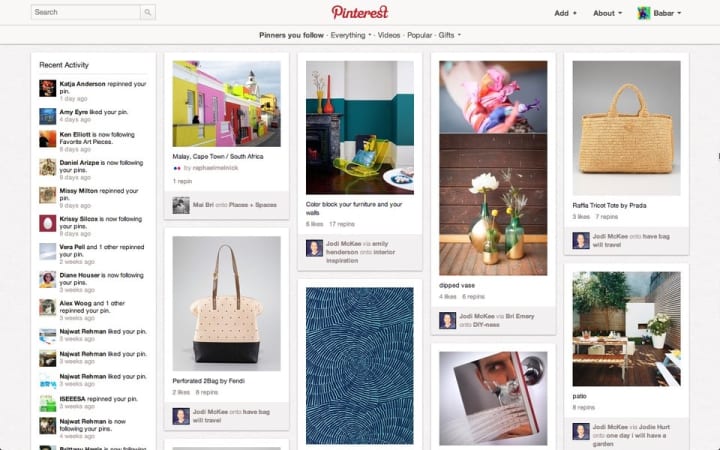
key aspect of Pinterest's functionality is its keyword-based search. Users actively input terms to find specific content, making it highly effective for targeted queries. The platform also integrates e-commerce, allowing users to discover and shop for products directly inspired by the visuals they encounter. With a massive global user base exceeding 450 million active users, Pinterest has cultivated a vibrant ecosystem where learners, creatives, and shoppers converge to find and organize visual information.
Same Energy: The AI-Powered Visual Search Engine
In contrast, Same Energy operates as a more niche, AI-powered visual search engine. Its primary objective is to facilitate the discovery of aesthetically similar images, moving beyond traditional keyword reliance. Users can upload an image or paste a link, and the platform's artificial intelligence algorithms then scour its database to present a collection of visuals that share a similar "vibe," style, composition, or texture. This focus on visual matching makes Same Energy particularly useful for artists, designers, photographers, and anyone seeking precise visual references or inspiration based on an existing aesthetic.

Same Energy distinguishes itself through its minimalist interface and direct functionality. It emphasizes a fast and simple user experience, stripping away the social media features and extensive content organization seen on platforms like Pinterest. While Pinterest allows users to save and curate ideas into boards, Same Energy prioritizes rapid, style-based image discovery. Many of its images are licensed under Creative Commons, offering a resource for free use with attribution, which is particularly beneficial for creative professionals.
Diverging Paths: Key Differences in Functionality and User Experience

While both Pinterest and Same Energy deal with visual content, their fundamental design philosophies and target audiences lead to significant differences. Understanding these distinctions is crucial for users to choose the platform that best aligns with their specific needs for visual discovery.
Search Paradigm: Keywords vs. Visual Matching
The most significant divergence lies in their primary search mechanisms. Pinterest relies heavily on a keyword-based search model. Users type in descriptive terms (e.g., "minimalist kitchen design," "bohemian fashion," "vegan dinner recipes") to find relevant pins and boards. This approach makes Pinterest effective for broad, thematic searches and for discovering content related to specific topics or interests. The platform's vast user-generated content and robust indexing facilitate this traditional search method.
Conversely, Same Energy champions visual search without keywords. While it does allow for text input, its core strength is the ability to analyze an uploaded image or link and return other images that are aesthetically similar. This AI-driven visual matching is revolutionary for users who have a specific visual style or "vibe" in mind but lack the precise vocabulary to describe it. It's akin to saying, "Show me more images that look like this," rather than "Show me images about this topic." This makes it highly intuitive for designers and artists who often think in visual terms.
Content Organization and Curation
Pinterest's strength in content organization is undeniable. Its "boards" and "pins" system allows for meticulous categorization and long-term curation of ideas. Users can create an unlimited number of boards for different projects or interests, making it a digital scrapbook for ongoing inspiration. This structured approach is ideal for planning, research, and building extensive visual collections over time. The platform also enables users to save content from external websites, centralizing their inspiration.
Same Energy, on the other hand, is less focused on long-term organization and more on immediate discovery. While some versions may allow for saving collections, its primary utility is the rapid generation of visually similar results. It's designed for quick, iterative exploration rather than structured content management. This streamlined approach means less emphasis on personal libraries or social sharing features, prioritizing speed and aesthetic relevance in the search results.
User Experience and Social Interaction
Pinterest offers a rich, interactive, and social user experience. It's a platform where users can follow others, like and comment on pins, and share content, fostering a sense of community. The feed is often algorithmically curated, presenting content based on user interests and past interactions. This social aspect, while engaging for many, can also lead to a more cluttered interface with advertisements and a broader range of content that may not always be precisely what a user is seeking.
Same Energy provides a much simpler, more direct, and less social user experience. It functions primarily as a utility, with minimal distractions. There are no social feeds, comments, or extensive profile features. This minimalist design is intentional, aiming to provide a pure visual discovery experience. For users seeking rapid, focused aesthetic inspiration without the social media overhead, Same Energy offers a refreshing alternative.
Use Cases and Target Audience
Pinterest caters to a very broad audience, from individuals planning their wedding or home renovation to small business owners seeking marketing inspiration. Its diverse content and organizational tools make it suitable for general lifestyle inspiration, shopping, and long-term project planning. It's a go-to for visual learners and anyone who enjoys browsing and curating ideas from a vast collective knowledge base.
Same Energy, while usable by anyone, is particularly suited for creative professionals such as graphic designers, illustrators, architects, and photographers. Its ability to quickly find aesthetically similar images based on a visual input is invaluable for concept development, mood board creation, and finding very specific visual references. It’s an efficient tool for those who need precise visual matching and are less interested in broad thematic browsing or social interaction.
A Visual Comparison: Feature Strengths
To further illustrate the distinctive strengths of Pinterest and Same Energy, let's look at a radar chart comparing their key attributes based on their primary functions and user experiences. This chart helps to visualize where each platform truly excels.

This radar chart visually demonstrates Pinterest's strength in keyword search, content curation, and social aspects, while Same Energy shines in its unique visual matching precision. Both have their dedicated niches.
Comparative Landscape: When to Use Which Platform
To provide a clearer picture of their distinct applications, the table below summarizes the optimal use cases for Pinterest and Same Energy, highlighting their unique advantages.

This table underscores that while both platforms are visual, their intended purposes and user experiences are fundamentally different, making them complementary rather than direct competitors for all use cases.
Frequently Asked Questions
- What is the main difference between Pinterest and Same Energy?
The main difference lies in their search methodology and purpose: Pinterest is a social media platform for broad, keyword-based content curation and sharing, while Same Energy is an AI-powered visual search engine specialized in finding aesthetically similar images based on visual input.
- Which platform is better for general inspiration and organizing ideas?
Pinterest is generally better for general inspiration and organizing ideas due to its robust features for creating themed boards and pinning diverse content.
- Is Same Energy suitable for creative professionals like designers and artists?
Yes, Same Energy is highly suitable for creative professionals, as its AI-powered visual matching excels at finding precise aesthetic references and inspiration based on existing visual examples.
- Does Same Energy have social features like Pinterest?
No, Same Energy is a minimalist visual search utility and does not have the extensive social features (like following, liking, or commenting) that are central to Pinterest's experience.
- Can I find product ideas for shopping on Same Energy?
While Same Energy can provide visual inspiration, it is not designed for e-commerce integration like Pinterest, which allows direct shopping for products found on its platform.
Conclusion
In summary, Pinterest and Same Energy, while both visual discovery platforms, cater to fundamentally different user needs and preferences. Pinterest, with its established social framework, vast content library, and robust organizational tools, remains the go-to platform for broad inspiration, long-term content curation, and community interaction. It serves as a comprehensive digital scrapbook for diverse interests and planning. Same Energy, on the other hand, carves out a distinct niche as a powerful AI-driven visual search engine. Its strength lies in its ability to quickly and precisely identify aesthetically similar images, making it an invaluable tool for creative professionals seeking targeted visual references and specific aesthetic inspiration without the social media clutter. Ultimately, the choice between Pinterest and Same Energy depends on the user's specific objective: whether it's broad, social content curation or focused, AI-powered visual matching.
About the Creator
pestosol
Hi.
I am Hmimda 30 years old From Algeria. I am a blogger. I like to share articles about decoration and designs
The Shifting Landscape of the United States Luxury Car Industry at CAGR of 1.2%
A sales consultant reviews overnight inquiries. A returning customer compares trim levels on a tablet. Outside, a silent electric luxury sedan glides past traffic. Inside, leather, brushed aluminum, and ambient lighting signal something more than transportation.
By Ashutosh Srivastava4 days ago in Geeks




Comments
There are no comments for this story
Be the first to respond and start the conversation.