
Not for Nothing: A Quiet Crime Film That Speaks Volumes
A slow-burn crime drama that explores guilt, loyalty, and the cost of choices

In an era dominated by blockbuster franchises, cinematic universes, and overproduced spectacles, smaller crime dramas often struggle to get the attention they deserve. Not for Nothing is one such film — understated, morally complex, and deeply human. It doesn’t rely on explosions or elaborate twists. Instead, it builds tension through character, consequence, and the uncomfortable truth that justice is rarely clean.
At its core, Not for Nothing is a film about choices — the kind that linger long after they’re made. It explores what happens when personal loyalty, guilt, and the desire for redemption collide in a world that offers no easy forgiveness.
A Story Rooted in Moral Gray Areas
Rather than presenting a clear hero and villain, Not for Nothing lives in the gray space between right and wrong. The film centers on characters who are deeply flawed but painfully recognizable. Their decisions are driven not by grand ambition, but by fear, loyalty, and the instinct to survive.
The narrative unfolds gradually, allowing viewers to piece together motivations instead of having them spelled out. This deliberate pacing may feel slow to some, but it serves a purpose. The film wants the audience to sit with discomfort — to question whether good intentions can excuse bad actions, and whether redemption is something that can be earned or merely hoped for.
Unlike traditional crime films that focus on the mechanics of crime itself, Not for Nothing is far more interested in aftermath. What does a single mistake cost a person over time? How does guilt reshape identity? These questions are what give the film its emotional weight.
Character-Driven Storytelling
One of the film’s greatest strengths is its commitment to character development. Conversations feel natural rather than scripted, and silence is used as effectively as dialogue. The characters often say more through hesitation, glances, and restraint than through words.
The protagonist is not portrayed as a hardened criminal or a noble hero, but as someone caught between who they were and who they want to become. That internal conflict is the engine that drives the story forward. Supporting characters are equally layered, each representing different responses to trauma, regret, and responsibility.
This focus on character makes the film feel intimate. It doesn’t rush to judgment, and it doesn’t ask the audience to either. Instead, it invites reflection.
Themes of Guilt, Loyalty, and Consequence
The title Not for Nothing carries significant thematic weight. Throughout the film, characters grapple with whether their suffering, sacrifices, or mistakes mean anything in the end. Was it all for a reason, or was it simply damage without purpose?
Loyalty plays a central role, particularly loyalty that becomes a burden rather than a virtue. The film examines how allegiance to people, ideals, or past decisions can trap individuals in cycles they no longer believe in. It raises an important question: when does loyalty stop being honorable and start being destructive?
Guilt, too, is ever-present. Not as a dramatic confession, but as something quieter and heavier. It seeps into daily life, shaping behavior and limiting hope. The film treats guilt not as a plot device, but as a psychological reality — one that doesn’t fade just because time has passed.
A Realistic Approach to Crime
Unlike stylized crime thrillers that glamorize violence or criminal success, Not for Nothing keeps things grounded. Crime is shown as messy, stressful, and ultimately hollow. There is no glory in it, only consequences that ripple outward.
This realism gives the film a sense of authenticity. Scenes involving conflict or danger feel tense not because they’re flashy, but because they feel plausible. The film understands that the most frightening outcomes are often the most ordinary — lost trust, broken relationships, and irreversible choices.
Direction and Atmosphere
The direction is restrained and purposeful. The camera work avoids unnecessary movement, allowing scenes to breathe. This creates an atmosphere that feels heavy without being oppressive. Urban and suburban settings are depicted plainly, reinforcing the idea that these stories aren’t exceptional — they could happen anywhere.
Lighting and sound design are used subtly, emphasizing mood rather than spectacle. The absence of dramatic musical cues in key moments makes emotional beats feel more genuine. When the film does heighten tension, it does so sparingly, making those moments more effective.
Why Not for Nothing Matters
What makes Not for Nothing stand out is its refusal to offer easy answers. It doesn’t wrap everything up neatly, and it doesn’t provide clear moral victories. Instead, it reflects real life — where accountability is complicated, forgiveness is uncertain, and change is slow.
For viewers tired of predictable crime narratives, this film offers something different: a story that respects intelligence and emotional nuance. It trusts the audience to engage with ambiguity rather than demanding constant stimulation.
Final Thoughts
Not for Nothing may not be the loudest film in the crime genre, but it is one of the more thoughtful ones. Its strength lies in its honesty — about people, about consequences, and about the long shadows our choices cast.
This is a film best watched without distraction, preferably when you’re in the mood for something reflective rather than explosive. It may not leave you with clear answers, but it will leave you with questions — and sometimes, that’s exactly what meaningful cinema is supposed to do.
In a world where so much content is designed to be instantly consumed and quickly forgotten, Not for Nothing quietly insists on being remembered.
About the Creator
Keep reading
More stories from James S Pope and writers in Geeks and other communities.
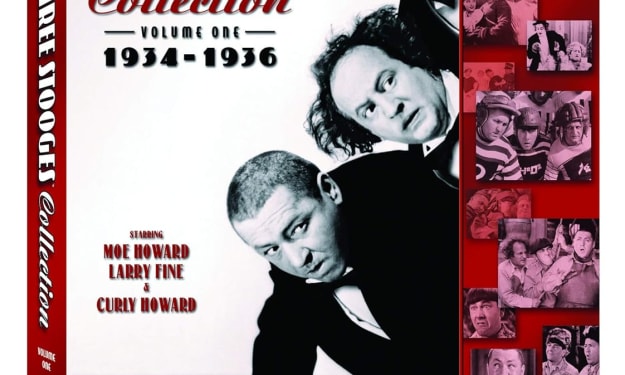
History of The Three Stooges (Part I: The Beginnings and Columbia Pictures - 1920s-1936)
I have been itching to write about The Three Stooges on Vocal for close to two years, but I couldn't figure out how to do it. I wanted to do it by third Stooge, but that's a bit complicated. I know this much. I was about eight or nine years old when I first saw The Three Stooges. I remember one of my local channels had the Stooges on for hours, and I tried my damnedest to be up for those shorts. I remember that the Family Channel actually had an hour of the Stooges on from 11PM to midnight, and it was the entire library on during that time.
By Clyde E. Dawkins4 days ago in Geeks



Comments
There are no comments for this story
Be the first to respond and start the conversation.