
Navigating the Pros and Cons of NFTs for Artists
Understanding the Benefits and Challenges of NFTs as a Tool for Artists in the Digital Art Market

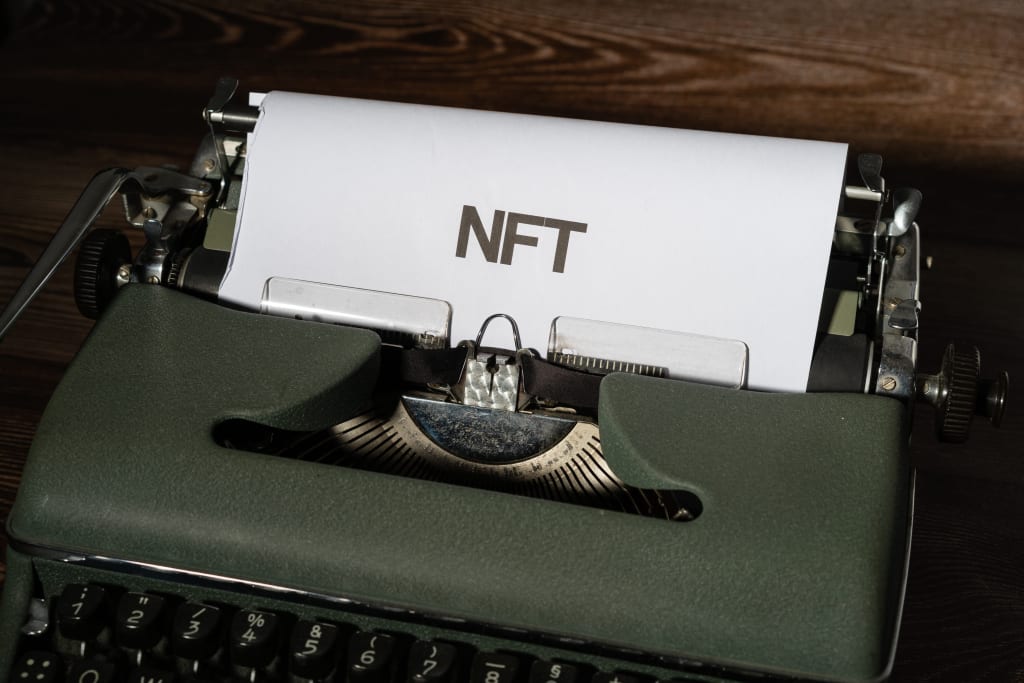
The rise of NFTs has created a buzz in the digital art market, with artists around the world exploring new ways to monetize their creative work. NFTs, or non-fungible tokens, are unique digital assets that can be used to represent ownership of digital art, music, videos, and other types of creative content on the blockchain. While NFTs offer several benefits for artists, such as greater control over their work and potential for increased revenue, there are also challenges to consider. In this article, we will explore the pros and cons of NFTs for artists and provide insights on how artists can navigate this new landscape.
Pros of NFTs for Artists:
Greater Control: NFTs provide artists with greater control over their creative work. By creating an NFT, artists can ensure that they maintain ownership of their work and have control over how it is used and distributed.
Increased Revenue: NFTs offer artists a new revenue stream. By selling their digital art as an NFT, artists can potentially earn significant amounts of money, especially if their work becomes highly sought after.
Exposure: NFTs can provide artists with exposure to new audiences. With the rise of the NFT market, artists have the opportunity to showcase their work to a global audience and potentially gain new fans and followers.
Transparency: The use of blockchain technology in NFTs provides transparency in ownership and provenance. This can help protect artists from piracy and counterfeiting, as well as provide buyers with confidence in the authenticity of the artwork they are purchasing.
Limited Editions: NFTs allow artists to create limited editions of their digital artwork, which can increase the value of their work and create a sense of exclusivity for buyers.
Cons of NFTs for Artists:
High Costs: Creating and selling NFTs can be expensive for artists. There are costs associated with minting NFTs, such as gas fees, which can add up quickly.
Environmental Concerns: The use of blockchain technology in NFTs has raised concerns about the environmental impact. The energy required to mine cryptocurrency and process blockchain transactions can have a significant carbon footprint.
Technical Knowledge: Creating and selling NFTs requires technical knowledge and skills that not all artists possess. This can create a barrier to entry for some artists who may struggle with the technological aspects of NFT creation.
Limited Market: While the NFT market is growing rapidly, it is still relatively niche compared to the broader art market. This means that not all artists may find success in selling their digital art as an NFT.
Lack of Regulation: The NFT market is largely unregulated, which can make it difficult for artists to protect their work and ensure fair compensation for their efforts.
Challenges of NFTs for Artists:
Despite the benefits of selling digital art on the blockchain, there are also some challenges that artists may face when utilizing NFTs. Here are some of the main concerns that artists may have:
Environmental Impact: One of the main criticisms of NFTs is their energy consumption, which can have a significant environmental impact. The process of creating and selling NFTs requires a significant amount of energy, which has led to concerns about the carbon footprint of this technology.
Exclusivity: While the scarcity of NFTs can be a benefit for artists, it can also create a sense of exclusivity that some artists may find uncomfortable. By creating a limited number of NFTs, artists may unintentionally exclude certain collectors from purchasing their work.
Intellectual Property: While NFTs can provide proof of ownership and authenticity, they do not necessarily protect an artist's intellectual property. In some cases, it may be difficult to prevent others from copying or reproducing an artist's digital work, even if they do not own the NFT.
Market Volatility: As with any investment, the market for NFTs can be volatile and unpredictable. While some artists may benefit from high prices and demand for their work, others may struggle if the market suddenly shifts.
Technical Barriers: While NFTs have become more accessible in recent years, there are still some technical barriers that may prevent some artists from utilizing this technology. For example, creating and selling NFTs requires a basic understanding of blockchain technology and cryptocurrency, which some artists may not be familiar with.
Conclusion:
NFTs represent an exciting new opportunity for artists to monetize their digital work and gain greater control over their creations. However, like any new technology, NFTs come with both benefits and challenges. By understanding these factors, artists can make informed decisions about whether or not to utilize NFTs in their practice.
Ultimately, the success of NFTs will depend on a variety of factors, including the development of more sustainable and environmentally-friendly blockchain technology, increased accessibility and education around NFTs, and a continued interest in digital art and collectibles. Regardless of the outcome, it is clear that NFTs have already made a significant impact on the art world and are likely to continue to do so in the years to come.
About the Creator
Balla Adorján
As a writer, I understand the importance of tailoring my writing style to suit the needs of the specific project, whether that be a formal academic article or a fun and lighthearted blog post.
Keep reading
More stories from Balla Adorján and writers in Geeks and other communities.
The Evolution of Digital Art and Collectibles: A Look at the History of NFTs in the Art Market
The art market has undergone a dramatic transformation in recent years with the rise of Non-Fungible Tokens (NFTs). NFTs are unique digital assets that are stored on the blockchain, enabling artists to authenticate and monetize their work in ways that were previously impossible. In this article, we will explore the history of NFTs and how they have impacted the art market.
By Balla Adorján3 years ago in Geeks
The Politics of Playing Dress-Up
Well, to start off I'd like to say a happy world book day to all who celebrate. I know I haven't really posted anything on my socials about it but I'm not a jubilant kind of person. I lay low most of the time. Let's start off with a popular anecdote from the vaults...
By Annie Kapur11 days ago in Geeks
The First Rainbow Baby
Pitter-patter, pitter-patter. The rain fell in rhythmic splatters, slowly slowing, but still constant. Mira rolled onto her side pulling the blanket tight against her ears, but still she could hear chitter-chatter and scurrying feet of the creatures that refused to sleep in the lower decks.
By A. J. Schoenfeld3 days ago in Fiction


Comments
There are no comments for this story
Be the first to respond and start the conversation.