
'It's a Wonderful Life' Lillian Randolph as Anne
Stereotypical roles made this woman famous
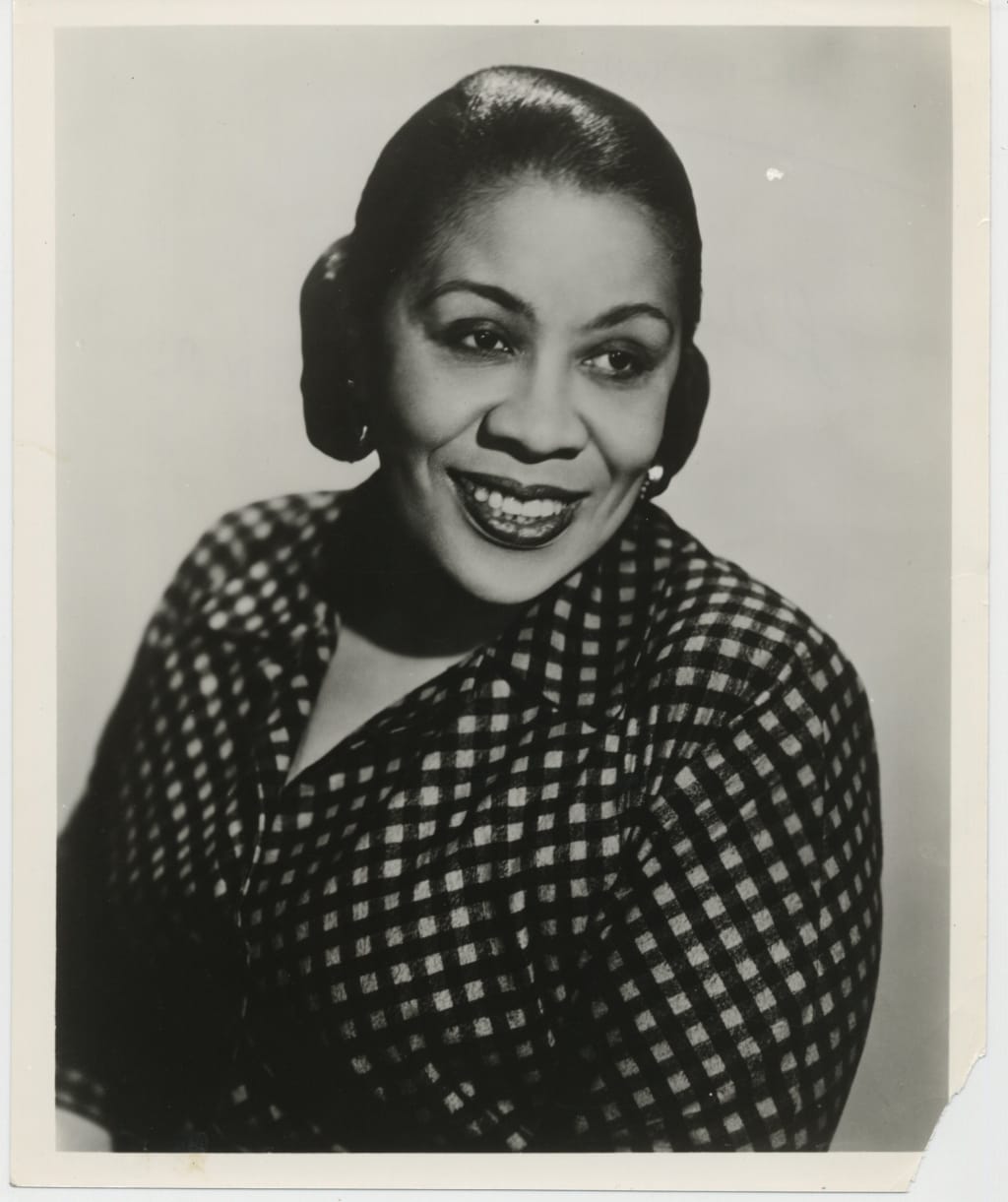
It's A Wonderful Life: Not so wonderful for one cast member
It’s the holiday season, and one of the most popular movies is It’s a Wonderful Life. Most people think of the stars Jimmy Stewart and Donna Reed when the film is mentioned. Lillian Grimes played the maid Anne. She was also known for her television and radio roles as Beulah.
This comedy received negative reviews from the NAACP as well a criticism in Ebony magazine for its racial stereotypes, but Randolph was thankful for the job opportunity.
Lillian Randolph: Just the facts
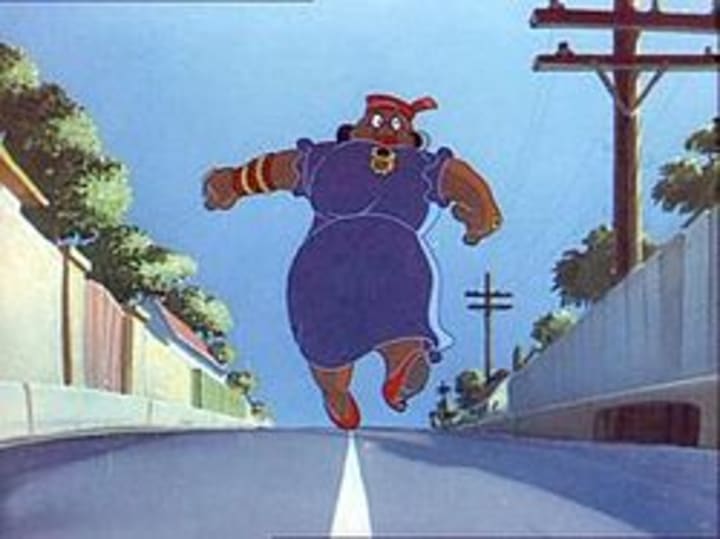
Lillian Randolph was born in either 1914 or 1915 and died on September 12, 1980. She is the voice behind Mammy Two Shoes, the black maid on the Tom and Jerry Cartoons.
Her body is shown but never her face as she scolds Tom for his bad behavior or hits him with a broom. There are only a few of the cartoons where her entire body is shown.
These animated shorts were filmed between 1940 and 1952. Randolph was not given credit for this role, as was the case when she actually lent her voice to Jerry Mouse in The Milky Waif, in 1946. Due to an outcry from Civil Rights groups, many of Randolph's scenes have now been edited out of the animated antics for the cat and mouse.
Lilian Randolph: A role model
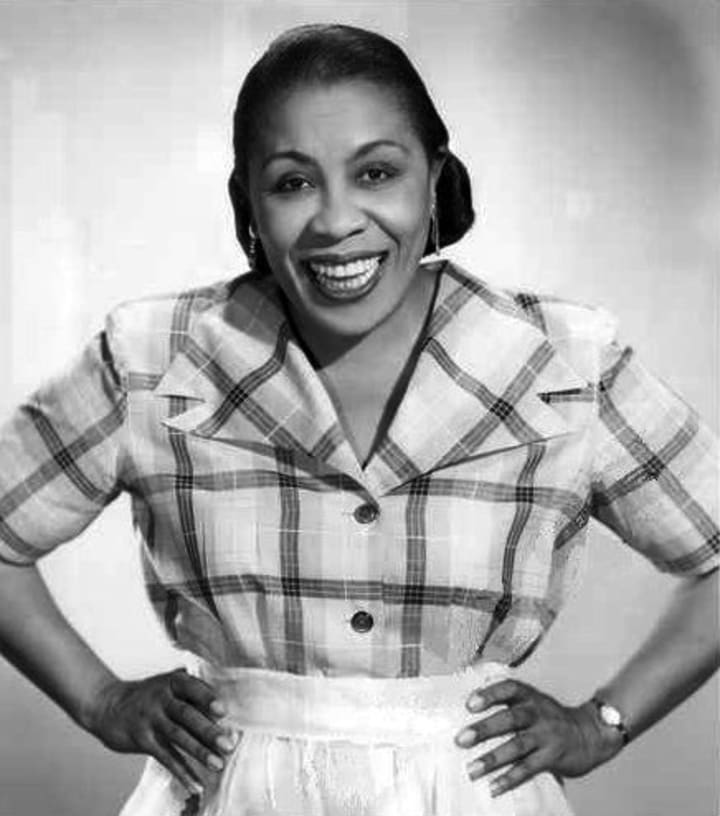
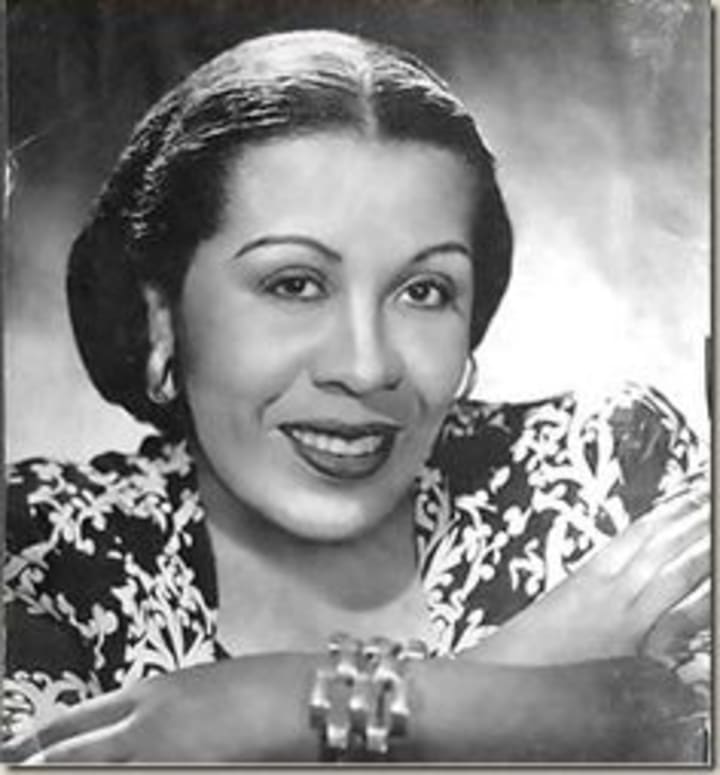
Randolph and other Black actors of their day were not the characters they portrayed. They did what they had to do to survive. You can see the difference in the two photos below. The one is from It's A Wonderful Life, where Randolph has an exaggerated expression. Her character Anne was stereotypical, and the other was Lilian Randolph in her real life.
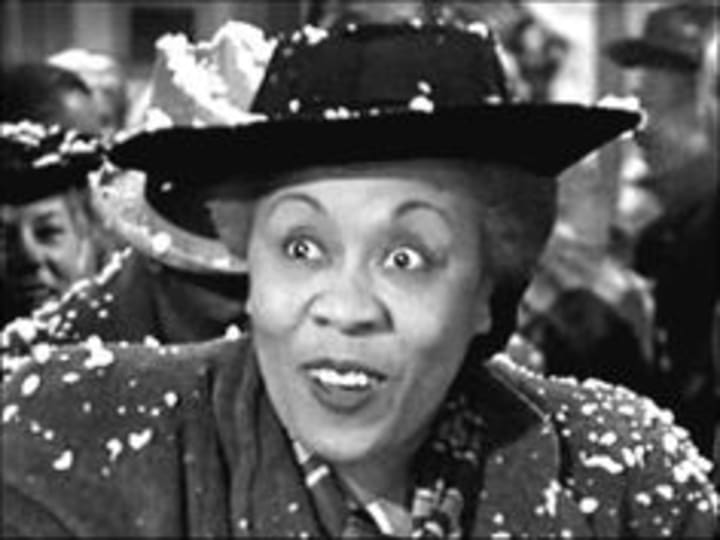
Lillian Randolph actually was given lessons to learn how to talk in the stereotypical black dialect that worked in the radio show. Off-screen she probably was nothing like her characters, and might even have hated what she had to do to succeed.
The actress is also known for Magic in 1978 and The Onion Field in 1979 which was her last film before her death. In 1938, Randolph allowed Lena Horne to stay at her home while she was filming The Duke is Tops.
The movie had such a tight budget that Horne could not afford to stay in a hotel. During these golden days of Hollywood, the black acting community was much smaller than today, stuck together and supported each other.
It's A Wonderful Life: Anne should be thought of fondly
Lillian Randolph and others like her paved the way for future generations of black entertainers. Yes, it’s a cringe-worthy moment and somewhat offensive when Anne bursts through the crowd of people on Its a Wonderful Life with that goofy smile on her face.
Her eyes are wide and her voice is loud as she says she’s giving her “ wedding” money to help George Bailey and everyone laughs. They were laughing with her as well as at her and that’s just the way it was in 1946. The highlight of the movie is when everyone who is gathered in the Bailey home, including Annie, begins singing Hark the Herald and then Old Lang Syne, and for a moment all on one accord. It's a memorable holiday moment.
African Americans back in the day who aspired to be a part of Hollywood only had one choice. They could accept the roles that were given to them, or not. I feel certain that most of them were not selling out but taking a chance.
They were probably hoping that their talent would be revealed and that later they would receive better scripts. Unfortunately for many, that day never came, but their remarkable strength and fortitude will live on.
Perhaps Lillian Randolph and her role in It's a Wonderful Life was small as well as being a caricature, but she was able to get herself on the silver screen and for more than 7 decades has been a part of a most beloved holiday classic.
About the Creator
Cheryl E Preston
Cheryl enjoys writing about current events, soap spoilers and baby boomer nostalgia. Tips are greatly appreciated.
Keep reading
More stories from Cheryl E Preston and writers in Geeks and other communities.
Paul Winchell the voice of Gargamel and Dick Dastardly
Paul Winchell was multifaceted Thanks to the Internet, Cartoon Network, METV, and the Boomerang channel, classic animated television shows can still be enjoyed. I’ve found that as I am watching these cartoons decades later I notice things that I had not before. I had noticed decades ago the similarities between the voices of cartoon characters Dick Dastardly, (Wacky Races, Dick Dastardly and Mutley Show) and Gargamel (The Smurfs). I now know there is a very good reason why.
By Cheryl E Preston5 years ago in Geeks
Marvel Zombie
The last entry into our 2025 superhero projects catalogue is Marvel Zombies. This was a show that was anticipated by absolutely no one and it disappeared from the public consciousness as quickly as it was released. There was nothing special about the project that made it a must see, or a must remember. In fact if anything it's a must forget.
By Alexandrea Callaghan20 days ago in Geeks
Reed Richards And Doctor Doom's Longtime Feud, Explained
American superhero comics are filled with unending rivalries between do-gooders and evil-doers. Few are more enduring and epic than the feud shared by Mister Fantastic/Reed Richards, leader of the Fantastic Four, and his nemesis, the tin-plated tyrant Doctor Victor von Doom.
By Dena Falken Esq3 days ago in Geeks



Comments
There are no comments for this story
Be the first to respond and start the conversation.