
Heisenberg's Odyssey: Why Breaking Bad Reigns Supreme
The heart aching story of Walter White

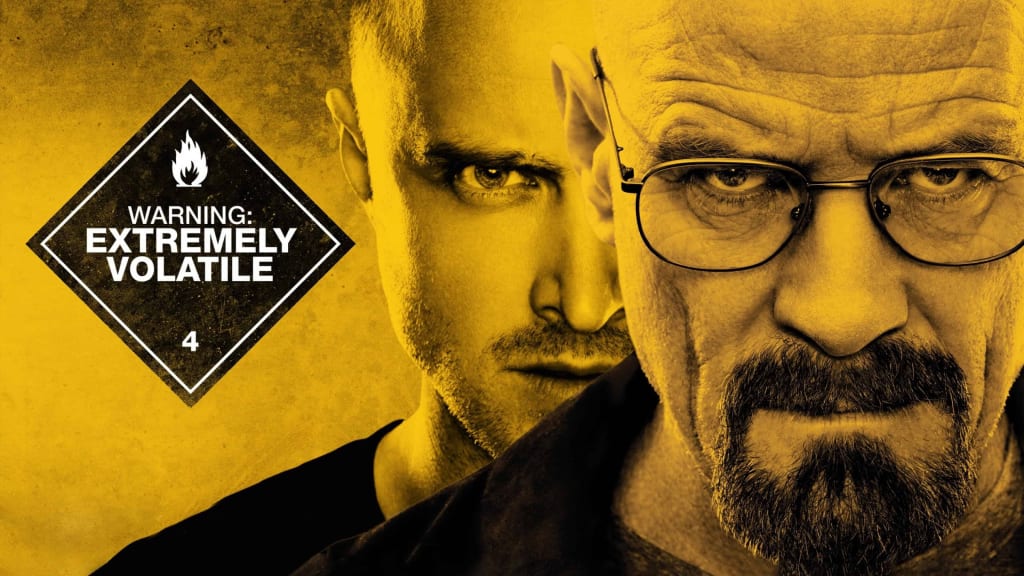
In the vast pantheon of television, few series dare to tread the dark, thrilling path carved by "Breaking Bad." It's not just a show; it's a visceral experience, a masterclass in storytelling that burrows deep into your psyche and refuses to let go. To claim it as the "best ever" might seem audacious, but to watch it is to understand why such audacity isn't far from truth.
The genius of "Breaking Bad" lies in its potent blend of gritty realism and outlandish drama. Walter White, the mild-mannered chemistry teacher thrust into the drug underworld, isn't a superhero or a mythical villain. He's a relatable everyman, burdened by illness and despair, his morality slowly eroding under the corrosive weight of circumstance. Each step he takes towards empire building is agonizingly human, fueled by a cocktail of desperation, pride, and a warped sense of control.
This connection to reality isn't a mere backdrop; it's the beating heart of the narrative. The show doesn't shy away from the consequences of Walter's choices, painting a brutal picture of violence, addiction, and shattered lives. The DEA sting operations, the bloody turf wars, the emotional toll on families – they're all depicted with unflinching honesty, devoid of Hollywood glamorization.
But realism alone wouldn't be enough. "Breaking Bad" soars because of its actors, who deliver performances that transcend mere skill. Bryan Cranston's Walter White is a masterpiece of gradual decay, transforming from a meek teacher to a ruthless kingpin with chilling believability. Aaron Paul's Jesse Pinkman is the perfect tragic counterpoint, a young man wrestling with conscience amidst the moral carnage. The supporting cast, from the chilling Gustavo Fring to the darkly hilarious Saul Goodman, adds layers of complexity and depth to the already rich tapestry.
The writing, then, becomes the architect of this phenomenal construction. The dialogue is sharp, witty, and often laced with black humor that somehow doesn't detract from the show's gravity. Plot twists are masterfully woven, never feeling forced or contrived. Each episode is a meticulously crafted microcosm, building tension and suspense before exploding in moments of cathartic release.
"Breaking Bad" doesn't just entertain; it manipulates your emotions like a maestro wields an orchestra. You find yourself rooting for Walter even as he becomes increasingly monstrous. You cringe at his ruthlessness, sympathize with his pain, and gasp in awe at his audacity. You laugh at the absurdities, weep at the betrayals, and clench your fists in frustration at the impossible choices he faces.
This emotional rollercoaster is where the show truly earns its crown. It doesn't sugarcoat the consequences of sin, nor does it offer easy redemption. It forces you to confront the darkness within yourself, to grapple with the complexities of morality, and to accept that life's tapestry is often woven with threads of both beauty and brutality.
In the final analysis, "Breaking Bad" is more than a television show. It's a cautionary tale, a morality play, and a human tragedy rolled into one. It's a testament to the power of storytelling to move, shock, and challenge us. It's a show that will stay with you long after the credits roll, its lessons, and characters echoing in the corridors of your mind.
So, does it still seem bold to claim it as the "best ever "? Let me ask you this: have you ever encountered another series that dared to delve into the abyss with such raw honesty, that gripped you with such emotional intensity, that left you feeling so utterly transformed? If the answer is no, then perhaps it's time to embark on your own Heisenberg Odyssey. Just remember, the path leads not just to fortune and power, but also to the darkest corners of the human soul. And that is the true brilliance of "Breaking Bad."
About the Creator
Keep reading
More stories from WIME (World In My Eyes) and writers in Geeks and other communities.
Lightsabers and Legacy: Can Rey Ever Measure Up to Luke Skywalker?
The Star Wars universe hums with a constellation of beloved characters, each etching their mark on the hearts of fans with their unique paths and challenges. Among them, Luke Skywalker and Rey stand as beacons, guiding the narrative and sparking passionate debate. Yet, their journeys evoke distinct reactions, Luke basking in unwavering adoration, while Rey's reception dances on a spectrum of fascination and critique. To unravel the threads of these contrasting responses, we must delve into the intricacies of their individual stories and the challenges they represent.
By WIME (World In My Eyes)2 years ago in Geeks
🅼🅸🅳🅽🅸🅶🅷🆃 🆂🅽🅰🅲🅺🆂
"It's 10 in Tuscon! We all know what that means... It's Time for Midnight Snacks with your man, Gerald Gee! Ready to spend the night together? Me too! I'm full of snacks and can't wait to regurgitate them all back into your hungry ears. Crack a brew! Pop some corn! Anything to get ready for one hell of a show where the talk maybe cheap but the words cut deep...
By Lamar Wiggins6 days ago in Fiction




Comments
There are no comments for this story
Be the first to respond and start the conversation.