
Groundhog Day Highlights: Punxsutawney Phil Predicts Six More Weeks of Winter
As tradition meets uncertainty, America’s most famous groundhog delivers his annual winter forecast

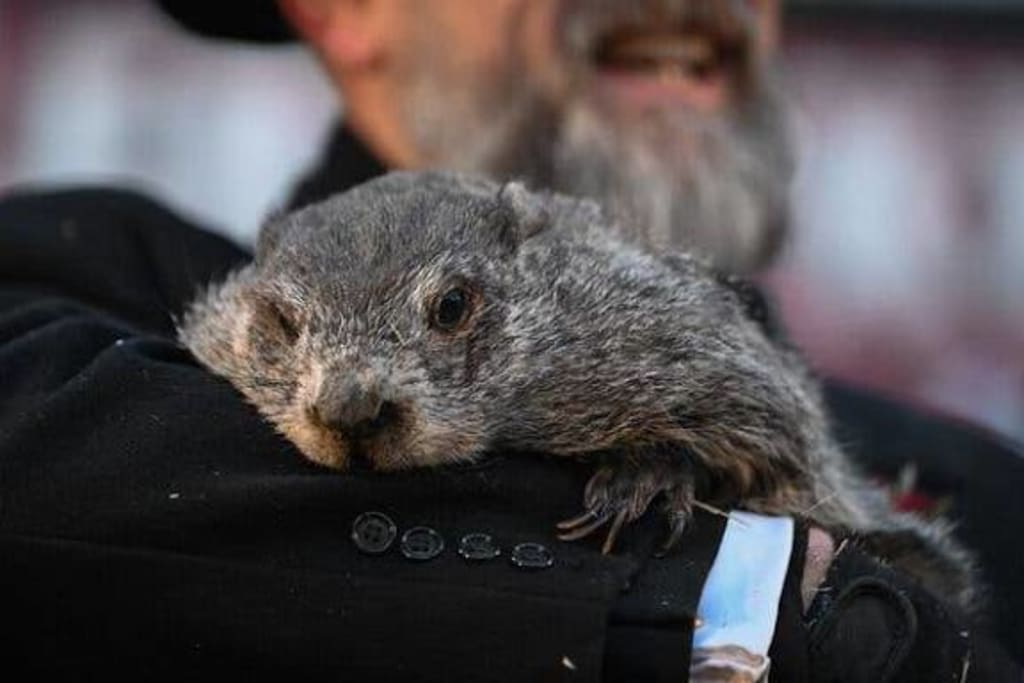
Every year on February 2, a small town in western Pennsylvania becomes the center of national attention. Punxsutawney, home to fewer than 6,000 residents, hosts one of the most enduring folk traditions in the United States: Groundhog Day. Before sunrise, crowds gather at Gobbler’s Knob, cameras roll, and all eyes turn to Punxsutawney Phil. This year, as has happened many times before, Phil emerged from his burrow, spotted his shadow, and signaled six more weeks of winter.
While meteorologists rely on satellites, computer models, and decades of data, Groundhog Day offers something different—ritual, humor, and a sense of shared anticipation. Phil’s prediction may not be scientific, but it continues to capture public imagination in a way few weather events can.
A Tradition Rooted in History
Groundhog Day traces its origins to European settlers, particularly those of German descent, who brought with them Candlemas traditions. In old folklore, if an animal saw its shadow on this day, winter would persist; if not, spring would arrive early. In Pennsylvania, where groundhogs were plentiful, the animal naturally took center stage.
Punxsutawney Phil made his first recorded prediction in 1887, giving the event more than a century of continuity. Over time, the celebration grew from a local curiosity into a nationally recognized event, complete with live television broadcasts and thousands of visitors traveling from across the country.
What Happened This Year
As dawn broke on Groundhog Day, members of the Punxsutawney Groundhog Club—dressed in their signature tuxedos and top hats—announced Phil’s verdict. According to the ceremony, Phil saw his shadow, meaning winter is expected to linger for six more weeks.
The crowd reacted with a mix of cheers, groans, and laughter. For some, the idea of extended cold weather is unwelcome. For others, it’s simply part of the fun. After all, Phil’s forecast has become less about accuracy and more about tradition.
How Accurate Is Punxsutawney Phil?
One of the most common questions surrounding Groundhog Day is whether Phil is actually reliable. By most statistical measures, his predictions fall short of modern forecasting standards. Various analyses suggest his accuracy rate is well below 50 percent.
But focusing solely on accuracy misses the point. Groundhog Day isn’t meant to replace professional meteorology. Instead, it offers a symbolic midpoint of winter, a moment when people collectively ask, “How much longer?”
Meteorologists themselves often embrace the event with good humor, using it as an opportunity to engage the public in discussions about seasonal patterns and climate trends.
Why People Still Care
In an age of constant news alerts and digital overload, Groundhog Day stands out because it is simple and familiar. The rules never change. The outcome is binary. And the main character—a groundhog—remains blissfully unaware of the attention.
For many Americans, Groundhog Day is tied to childhood memories, school lessons, or even the iconic 1993 film Groundhog Day, which further cemented Phil’s place in pop culture. The event offers a rare sense of continuity in a world that often feels unpredictable.
Economic and Cultural Impact
The annual celebration provides a significant boost to Punxsutawney’s local economy. Hotels fill up, restaurants see increased traffic, and souvenir sales spike. For a small town, Groundhog Day is both a cultural honor and an economic lifeline.
Beyond Pennsylvania, the event inspires similar celebrations across North America, with local groundhogs offering their own predictions. While Phil remains the most famous, he is far from alone in his forecasting duties.
Winter Fatigue and the Psychology of the Prediction
Phil’s forecast of six more weeks of winter often resonates emotionally. By early February, many people are tired of cold mornings, short days, and icy roads. The promise of spring feels close, yet just out of reach.
Psychologists note that events like Groundhog Day help people mentally mark time. Even a disappointing prediction can be oddly comforting because it provides structure and a shared experience. Knowing that millions of others are reacting to the same announcement creates a subtle sense of connection.
Looking Beyond the Shadow
While Punxsutawney Phil predicts six more weeks of winter, actual weather conditions will vary widely depending on region. Some areas may experience early warmth, while others could face late-season snowstorms. Climate variability means that winter and spring often overlap in unpredictable ways.
Still, Phil’s message serves as a reminder that winter is a season with its own rhythm. For some, that means more time for cozy routines. For others, it’s motivation to start planning for the warmer days ahead.
A Tradition That Endures
Year after year, Punxsutawney Phil emerges from his burrow, and people keep watching. Whether he predicts an early spring or prolonged winter, the result sparks conversation, humor, and reflection.
In the end, Groundhog Day isn’t really about weather. It’s about continuity, community, and the small rituals that help people navigate the passing of time. As Phil predicts six more weeks of winter, the message is clear: spring will come eventually, and until then, there’s comfort in tradition—even if it comes from a groundhog’s shadow.
About the Creator
Saboor Brohi
I am a Web Contant writter, and Guest Posting providing in different sites like techbullion.com, londondaily.news, and Aijourn.com. I have Personal Author Sites did you need any site feel free to contact me on whatsapp:
+923463986212
Keep reading
More stories from Saboor Brohi and writers in Geeks and other communities.
Crude Picks Up As U.S.-India Trade Deal to Affect Russian Oil
Global oil prices edged higher this week as investors digested the implications of a potential U.S.–India trade deal that could significantly alter India’s reliance on Russian crude. While the move in prices was modest, the underlying message from the market was clear: shifts in geopolitical alliances and trade frameworks continue to ripple through energy markets, influencing supply routes, pricing power, and long-term strategies for both producers and consumers.
By Saboor Brohi about 20 hours ago in Geeks
Not Just For Clean Up: A History Of The MCU's Department of Damage Control
Initially an organisation that seemed to exist to help the heroes of the Marvel Cinematic Universe, from Phase Four onwards, the Department of Damage Control has shifted into a more antagonistic role. Most recently seen in the Wonder Man series, the current incarnation of Damage Control seems to target superpowered individuals, regardless of whether that person poses an active or intentional threat.
By Kristy Anderson3 days ago in Geeks
Token development in 2026: Key Trends Entrepreneurs Must Watch for Business Growth
As 2026 unfolds, token development has transcended its early identity as a niche component of cryptocurrency experimentation to become a cornerstone of digital transformation across finance, enterprise, and real‑world commerce. Far from the speculative frenzy of prior cycles, tokens today are rooted in practical utility, regulatory engagement, and interoperable infrastructures that unlock liquidity, global participation, and unprecedented transparency. For entrepreneurs aiming to harness this technological revolution for business growth, understanding the forces shaping token development is not optional; it’s a strategic imperative for building resilient ventures that lead tomorrow’s markets.
By Henry james7 days ago in Geeks
The Devil's Triangle
The sails ruffled in the breeze as we cruised along. The Sea Breeze was a mid-size catamaran that sailed out of Royal Naval Dockyard in Bermuda. We had booked this trip weeks in advance and were now looking at our Captain, Spike and two boat hands. Paddy and Wilson seemed like nice guys, joking around with the passengers and telling us some stories about Bermuda that only locals would know. Their island accents sounded almost British but they were pleasant to listen to.
By Barbara Gode Wilesabout 23 hours ago in Fiction



Comments
There are no comments for this story
Be the first to respond and start the conversation.