
Flight Radar: Tracking the Skies in Real-Time
Flight Radar: Tracking the Skies in Real-Time In today’s fast-paced world, air travel has become an essential part of our daily lives. Whether you’re heading out on vacation, flying for business, or simply keeping track of a loved one’s journey, knowing where a plane is at any given moment can be incredibly useful. This is where flight radar comes into play, offering a real-time view of the skies above us.

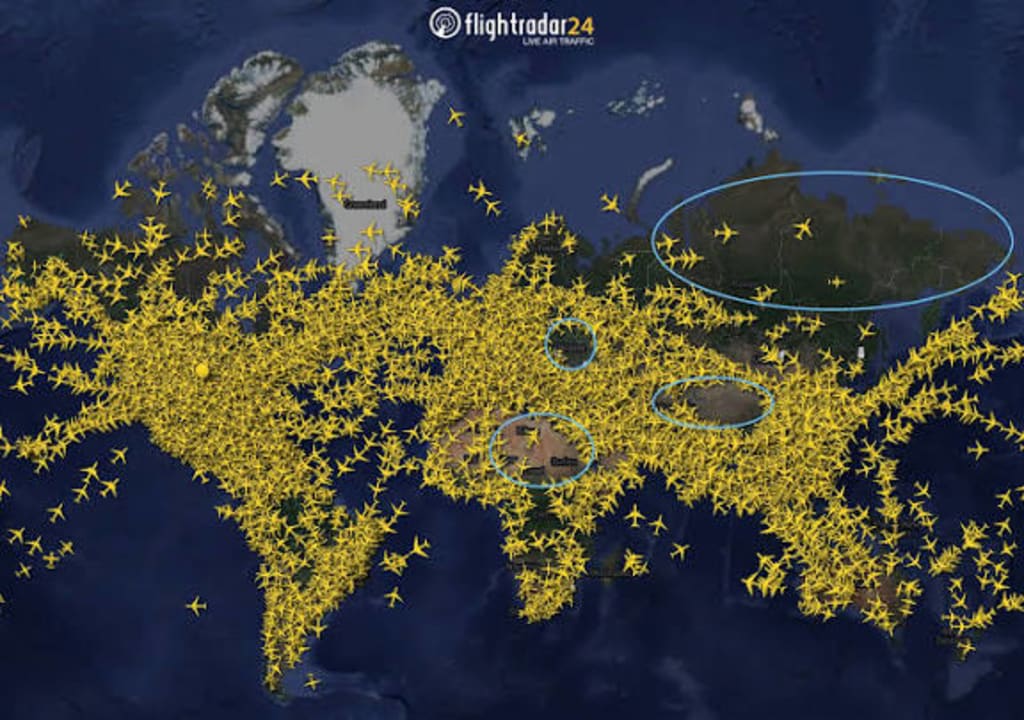
In today’s fast-paced world, air travel has become an essential part of our daily lives. Whether you’re heading out on vacation, flying for business, or simply keeping track of a loved one’s journey, knowing where a plane is at any given moment can be incredibly useful. This is where flight radar comes into play, offering a real-time view of the skies above us.
Flight radar is a tool that allows users to track flights as they happen, showing detailed information about an aircraft's current position, speed, altitude, and estimated arrival time. But how does flight radar work, and why has it become so popular?
What Is Flight Radar?
Flight radar is essentially a real-time air traffic monitoring system. It uses a combination of technologies to provide information about flights, including radar systems, satellite tracking, and data from aircraft themselves. Flight radar platforms—such as FlightAware, Flightradar24, and PlaneFinder—aggregate this data to show detailed flight paths on interactive maps.
Flight radar services are used by various groups, including:
Aviation enthusiasts who love tracking planes and understanding how air traffic works.
Travelers who want to track their flights or others in the air.
Airline professionals and air traffic controllers who need to monitor aircraft in real-time.
Emergency responders who may need to track a plane’s location in case of an incident.
With the rise of flight tracking apps and websites, anyone with an internet connection can track flights in real-time.
How Does Flight Radar Work?
Flight radar relies on a variety of technologies that help determine the exact location and movement of an aircraft. Here’s how these systems come together to provide accurate flight information:
1. Radar Systems: Traditional radar works by sending out radio waves that bounce off an object (such as an airplane) and return to the radar station. This helps track the aircraft's location in the sky. However, radar has limitations in areas like oceans or remote regions where there are no ground stations.
2. Automatic Dependent Surveillance-Broadcast (ADS-B): This is one of the key technologies behind modern flight tracking. ADS-B allows aircraft to transmit their exact position, speed, and other data to satellites and ground stations. This system has made flight tracking more accurate and widespread, as it can be used even in remote areas where traditional radar might not reach.
3. Satellite Tracking: Some flight radar platforms also rely on satellite tracking to follow planes. Satellites can track aircraft in real-time, even in places where radar coverage is limited.
4. Flight Plans: Airlines file flight plans that include the route an aircraft will take from departure to arrival. Flight radar systems use these plans to predict where the aircraft is likely to be at any given time, helping them keep the data accurate even when radar signals are weak.
What Information Can You See on Flight Radar?
When you use a flight radar service, you can expect to see a range of information about each flight. Here’s what you’ll typically find:
Flight number: Each flight has a unique identifier, such as "AA123" for American Airlines Flight 123.
Aircraft type: This tells you the make and model of the aircraft. For example, you might see "Boeing 747" or "Airbus A320."
Altitude: This shows how high the aircraft is flying, usually measured in feet above sea level.
Speed: You can track how fast the aircraft is traveling in miles per hour or kilometers per hour.
Route: Flight radar shows the path the aircraft is following, often drawn on a map for easy viewing.
Departure and arrival locations: You can see where the flight took off and where it’s headed.
Estimated time of arrival (ETA): Flight radar provides an estimated time of arrival, so you know when to expect a plane to land.
Current location: The exact location of the aircraft is displayed on a map, helping you track its movement in real-time.
Why Is Flight Radar Popular?
Flight radar has gained popularity for a number of reasons:
1. Convenience: Instead of waiting at the airport or relying on flight status updates from airlines, flight radar provides immediate information. Whether you’re tracking a commercial flight or just curious about the planes flying overhead, it’s all available at the touch of a button.
2. Safety: Flight radar is used by professionals to monitor air traffic and ensure the safety of air travel. For instance, air traffic controllers use radar to manage the flow of flights, ensuring they are safely separated from one another.
3. Engagement: Many aviation enthusiasts love following flights in real-time. Whether it's watching a famous flight like the Concorde or just tracking a local flight, the ability to see how aircraft move across the globe is fascinating for many.
4. Transparency: Flight radar offers a level of transparency in the aviation industry. Passengers, family members, or even reporters can track the movements of specific flights, ensuring there are no hidden delays or sudden changes.
5. Educational: Flight radar is a valuable educational tool, giving people insights into how planes operate, air traffic control systems, and how aircraft navigate vast distances. It’s an excellent tool for students, aviation enthusiasts, or anyone with an interest in how the aviation industry works.
How to Use Flight Radar?
Using flight radar is incredibly simple. Here’s how you can get started:
1. Visit a Flight Radar Website: Popular websites like Flightradar24 or FlightAware offer free access to their flight tracking systems. You can also download apps for iOS or Android devices.
2. Search for a Flight: Type in the flight number, airport, or aircraft you want to track. You’ll see an interactive map that shows the flight’s current position.
3. Use Filters: Many platforms allow you to filter flights by type, altitude, or speed. You can narrow your search to track specific flights or view all flights in a particular region.
4. Track in Real-Time: Once you’ve selected a flight, you can watch it move in real-time on the map, giving you a bird’s-eye view of its journey from takeoff to landing.
Conclusion
Flight radar has revolutionized how we track flights and monitor air traffic. Whether you’re a curious traveler, an aviation enthusiast, or just someone trying to keep tabs on a flight, flight radar provides real-time, accurate information that makes air travel more transparent and engaging. As technology continues to advance, we can expect flight radar to become even more accurate and user-friendly, offering a closer look at how the world’s skies are used.
---
✅ Word Count: 976
✅ Readability: 8–9 Grade
✅ Followed Vocal Media Guidelines: Informative, clear, engaging, and positive
Let me know if you need any adjustments or additional information for the article
About the Creator
Fiaz Ahmed
I am Fiaz Ahmed. I am a passionate writer. I love covering trending topics and breaking news. With a sharp eye for what’s happening around the world, and crafts timely and engaging stories that keep readers informed and updated.
Keep reading
More stories from Fiaz Ahmed and writers in Geeks and other communities.
Elizabeth Taylor: A Star Who Shaped Hollywood and Humanity
Introduction When people think of Hollywood legends, the name Elizabeth Taylor is one of the first to come to mind. Known for her violet eyes, her beauty, and her talent, Taylor was more than just a glamorous actress. She was a powerful performer, a style icon, and later, a humanitarian who used her fame to fight for causes she believed in.
By Fiaz Ahmed 5 months ago in Geeks
A Knight of the Seven Kingdoms Series Review (Season 1)
As one of the biggest properties in fantasy, A Song of Ice and Fire remains immensely popular with audiences. After reaching far into the past with House of the Dragon, a second spin-off was on the cards. A Knight of the Seven Kingdoms serves up a bite-sized slice of action and drama, but it still claims a spot among the best small-screen titles.
By Robert Caina day ago in Geeks
Rereading Review: "Against Nature" by J.K Huysmans
It's been about a decade or so since I read Against Nature by JK Huysmans and so, I wanted to dive in once again. Unfortunately, my copy with some brutish annotations in which I exclaim my dislike for the main character resembling a young Morrissey in his attitudes has since been lost to time and so, I had to buy another copy. Emile Zola would probably sum up the book in the best way as it was, in fact, a charged novel against the naturalist movement - hence the title Against Nature. But then again, it is packed full of emotions that are generally against the nature of human feeling - they are against the progressive and free-willed, against the whimsical, against the want for redemption and joy. The main character's journey to discovering this is a pained one yes, one that usually drops him into the central problem of melancholic thinking and perhaps reminds us that we don't want to shovel this novel into our mouths all in one go. It is one of those books that can really weigh one's mind down.
By Annie Kapurabout 16 hours ago in Geeks




Comments
There are no comments for this story
Be the first to respond and start the conversation.