
Employee Monitoring Software: A Comprehensive Guide
Navigating the Complexities of Employee Monitoring: A Comprehensive Guide
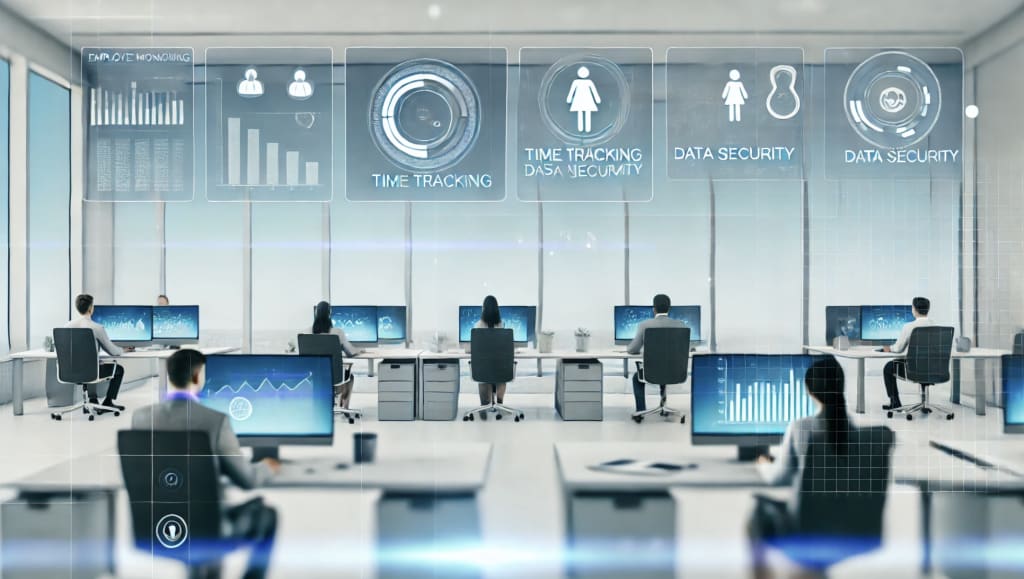
Introduction
In today's digital age, where employees spend a significant portion of their time working on company-owned devices, the use of employee monitoring software has become increasingly prevalent. This software allows employers to track and monitor the activities of their employees, raising questions about its benefits, drawbacks, and legal implications. This comprehensive guide will delve into the world of employee monitoring software, providing a detailed overview of its functionalities, advantages, disadvantages, and legal considerations that businesses must be aware of.
What is Employee Monitoring Software?
Employee monitoring software is a type of software that enables employers to track and monitor the activities of their employees on company-owned devices, such as computers, laptops, and smartphones. This software can capture a wide range of data, including:
Keystrokes: This allows employers to track everything that employees type, including emails, chat messages, and documents.
Website visits: Employers can monitor the websites that employees visit, both during work hours and outside of them.
Email and chat conversations: Employers can access the content of employees' emails and chat conversations, including those sent through personal accounts.
Application usage: Employers can track which applications employees are using and for how long.
File access and downloads: Employers can monitor which files employees are accessing and downloading, both from company servers and from the internet.
Screen recordings: Employers can record everything that appears on employees' screens, providing a visual record of their activity.
GPS location: Employers can track the location of employees' devices, providing insights into their movements during work hours.
Benefits of Employee Monitoring Software
There are several potential benefits to using employee monitoring software, including:
Increased Productivity: By monitoring employee activity, employers can identify areas where employees may be wasting time or being unproductive. This information can then be used to coach employees and improve overall productivity.
Reduced Security Risks: Employee monitoring software can help to detect and prevent security breaches by monitoring employee activity for suspicious behavior. This can help to protect sensitive company data and prevent financial losses.
Improved Compliance: Employee monitoring software can help businesses to comply with industry regulations and legal requirements, such as those related to data privacy and employee rights.
Enhanced Employee Accountability: By knowing that their activity is being monitored, employees may be more likely to behave responsibly and ethically. This can lead to a more positive and productive work environment.
Drawbacks of Employee Monitoring Software
There are also some potential drawbacks to using employee monitoring software, including:
Privacy Concerns: Employee monitoring software can raise significant privacy concerns, as it can be used to collect a large amount of personal data about employees. This data can be misused or abused, leading to employee resentment and legal issues.
Reduced Employee Morale: Employees may feel that they are being micromanaged or that their privacy is being violated if they are constantly being monitored. This can lead to decreased morale and productivity.
Legal Considerations: There are a number of legal considerations that businesses must be aware of when using employee monitoring software. These considerations vary by jurisdiction, so it is important to consult with an attorney to ensure compliance with all applicable laws.
Legal Considerations for Using Employee Monitoring Software
Before implementing employee monitoring software, it is essential for businesses to consider the following legal issues:
Employee Consent: In most jurisdictions, employers are required to obtain employee consent before monitoring their activity. This consent should be informed and voluntary, and employees should be made aware of the types of activity that will be monitored.
Data Privacy Laws: Employee monitoring software collects a large amount of personal data, so businesses must comply with all applicable data privacy laws. This includes laws such as the General Data Protection Regulation (GDPR) in Europe and the California Consumer Privacy Act (CCPA) in the United States.
Employee Rights: Employees have certain rights regarding their privacy and the use of their personal data. These rights vary by jurisdiction, so it is important to consult with an attorney to ensure that employee rights are not being violated.
Best Practices for Using Employee Monitoring Software
To ensure that employee monitoring software is used ethically and effectively, businesses should follow these best practices:
Develop a clear and comprehensive employee monitoring policy: This policy should outline the types of activity that will be monitored, the purpose of the monitoring, and the rights of employees.
Communicate the policy to all employees: Employees should be made aware of the employee monitoring policy and should have t
he opportunity to ask questions and raise concerns.
Use the software for legitimate business purposes only: Employee monitoring software should not be used to spy on employees or to invade their privacy.
Provide employees with training on the software: Employees should be trained on how to use the software and should be made aware of their rights and responsibilities.
Monitor employee activity in a reasonable and proportionate manner: Employers should not monitor every keystroke or website visit. Instead, they should focus on monitoring activity that is relevant to business needs.
Take steps to protect employee privacy: Employers should take steps to protect the privacy of employee data, such as encrypting data and limiting access to authorized personnel.
Review the employee monitoring policy regularly: As technology and legal requirements change, it is important to review the employee monitoring policy on a regular basis.
Conclusion
Employee monitoring software can be a valuable tool for businesses, but it is important to weigh the potential benefits against the drawbacks and legal considerations before implementing such a system. By carefully considering these factors and following best practices, businesses can ensure that they are using employee monitoring software in a responsible and ethical manner.
About the Creator
Keep reading
More stories from Lily Wells and writers in Geeks and other communities.
What Is The Future of Employee Monitoring Software?
The fast evolution of employee monitoring software is changing the way that companies assist and manage their workforces. This technology's importance grows as businesses look to boost efficiency and guarantee compliance. Modern monitoring systems provide thorough insights that improve workplace dynamics and operational efficiency in addition to tracking time.
By Lily Wellsabout a year ago in Geeks
Book Review: "Human Monsters: A Horror Anthology" by Various Authors
Yes, it's horror again. I'm feeling kind of down and whenever I'm down I read horror because it makes me feel better. Have you heard about that study that states people who are in depression should watch and read horror in order to make themselves feel better? Yeah, I checked it out some time ago - you should too. Human Monsters is exactly what you think it is, it is about monsters who are human - those who lurk in the normal world, not in the shadows, not in the darkness - they stand right in front of us. They are us. Let's go through my favourite stories in the anthology...
By Annie Kapurabout a month ago in Geeks




Comments
There are no comments for this story
Be the first to respond and start the conversation.