
Donnie McClurkin Sued Over Alleged Sexual Abuse by Former Assistant
The Grammy-winning gospel singer and pastor is accused in a New York lawsuit of abusing a young man over several years, allegations his attorneys strongly deny.
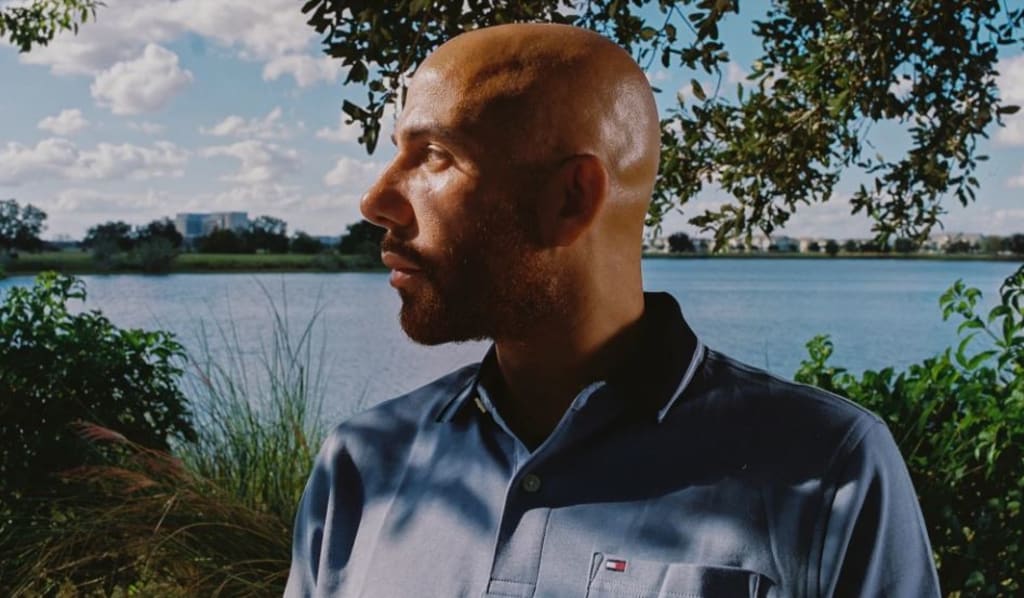
Grammy-winning gospel singer and pastor Donnie McClurkin — a celebrated artist known for his uplifting music and influential ministry — is facing serious civil allegations that have shocked both religious communities and the broader public. In a lawsuit filed on January 2 in New York’s Supreme Court, McClurkin is accused of sexually abusing a young man over multiple years while acting as his spiritual mentor and employer.
The plaintiff, Giuseppe Corletto, says his alleged interactions with McClurkin began in 2003, when he was 21 and seeking guidance after reading McClurkin’s autobiographical book. That book — which discusses the singer’s own struggles with sexuality and abuse — inspired Corletto to contact McClurkin’s church, Perfecting Faith Church on Long Island, for spiritual counsel. According to the lawsuit, McClurkin took an immediate interest in him, and what began as mentorship gradually turned into grooming and alleged abuse.
Corletto’s complaint states that the abuse began during what were described as “pray the gay away” spiritual sessions in which McClurkin allegedly groped him without consent. Over time, Corletto became McClurkin’s personal assistant and accompanied him on business trips, where the alleged misconduct continued. The lawsuit alleges that sexual assault and rape took place in multiple locations, including hotel rooms in California, New Jersey and New York, where McClurkin reportedly forced himself on Corletto on numerous occasions between 2007 and 2015.
A particularly troubling piece of evidence in the lawsuit is an email allegedly sent by McClurkin in 2013. According to the complaint, the email contains McClurkin’s own words describing himself as a “desperate dirty old man” who had “pawed and groped a young man” seeking friendship and spiritual guidance. The alleged message includes an apology in which McClurkin acknowledges forcing himself on Corletto despite repeated refusals. Corletto has said that discovering the email years later validated his experience and helped him understand that the alleged abuse was real.
The lawsuit is being pursued under New York City’s Gender-Motivated Violence Protection Law, which allows for civil claims in cases of alleged sexual abuse that might otherwise be barred by conventional statutes of limitations. Corletto’s attorney, Thomas Giuffra, said in public statements that the suit seeks not only compensation but also emotional closure and justice for his client.
According to Corletto’s account, he struggled with the allegations for many years because McClurkin was both his spiritual mentor and his employer. That dual relationship, he says, made him reluctant and fearful to come forward earlier. The complaint mentions repeated attempts to distance himself from McClurkin, only to be persuaded to stay through spiritual and professional pressure, including messages suggesting that his “deliverance” and sense of purpose were tied to his work with the pastor.
McClurkin’s legal team has denied the allegations, with attorney Greg Lisi calling the claims “categorically false” and asserting that they “grossly mischaracterize” the relationship between the singer-pastor and Corletto. Lisi said McClurkin never engaged in any sexual misconduct, assault or coercion. At the time of reporting, McClurkin himself has not publicly commented on the lawsuit, likely due to ongoing litigation.
The lawsuit has already generated significant discussion online, especially within religious and gospel music communities where McClurkin has long been influential. He is a three-time Grammy Award winner whose music, including songs like Stand and We Fall Down, has been embraced by both faith-based audiences and mainstream listeners. His ministry, which has focused on spiritual healing and praise, has also been well-documented for decades.
Corletto’s allegations raise broader questions about accountability within religious leadership and the dynamics of power, mentorship and vulnerability. In interviews, Corletto has spoken about the emotional and spiritual manipulation he felt at the time, saying that McClurkin’s position of authority made it difficult for him to recognize and challenge the alleged abuse. He described feeling intense shame and confusion, compounded by spiritual teachings that framed his identity and struggles with sexuality in deeply personal terms.
Corletto also shared that the emotional fallout from the alleged abuse had severe consequences for his well-being. At one point, he told NBC News that he had contemplated suicide and struggled with depression as a result of his experiences. Over time, he said he has worked through much of that trauma and now embraces his identity and finds peace, but the lawsuit is his attempt to confront and process the past in a legal context.
Observers say the case could have far-reaching implications for how allegations of abuse are addressed within religious institutions and entertainment industries alike. Civil lawsuits do not require the same burden of proof as criminal prosecutions, but they can lead to significant legal scrutiny, financial consequences and reputational impact, even in the absence of criminal charges. As this case moves forward, it is likely to continue to prompt discussion about ethics, power and the complexities of mentorship in faith communities.
About the Creator
Keep reading
More stories from Raviha Imran and writers in Geeks and other communities.
Corporation for Public Broadcasting to Dissolve After Federal Funding Cut
After Nearly 60 Years, the Corporation for Public Broadcasting Votes to Dissolve Amid Funding Cutbacks For decades, the Corporation for Public Broadcasting (CPB) served as the backbone of America’s public media landscape, channeling federal dollars to local public radio and television stations, including PBS and NPR. But on January 5, 2026, CPB’s board of directors voted to dissolve the organization, marking an abrupt end to an institution created by Congress in 1967 and long viewed as a cornerstone of educational and community journalism in the United States.
By Raviha Imran5 days ago in Geeks
Marvel Zombie
The last entry into our 2025 superhero projects catalogue is Marvel Zombies. This was a show that was anticipated by absolutely no one and it disappeared from the public consciousness as quickly as it was released. There was nothing special about the project that made it a must see, or a must remember. In fact if anything it's a must forget.
By Alexandrea Callaghan16 days ago in Geeks
9now in USA
9Now is Australia's free streaming service from the Nine Network, offering live streams and on-demand access to shows, sports, and news from Channel 9 and its sister channels (9Gem, 9Go!, 9Life, 9Rush). It's a catch-up TV platform where you can watch programs after they air, restart live shows (Start Over), and find exclusive content, all accessible on various devices within Australia.
By David Cook7 days ago in Geeks


Comments
There are no comments for this story
Be the first to respond and start the conversation.