
Breaking Bad, Breaking Free: Jesse Pinkman's Path to Hope
An overall analysis of Jesse Pinkman's character

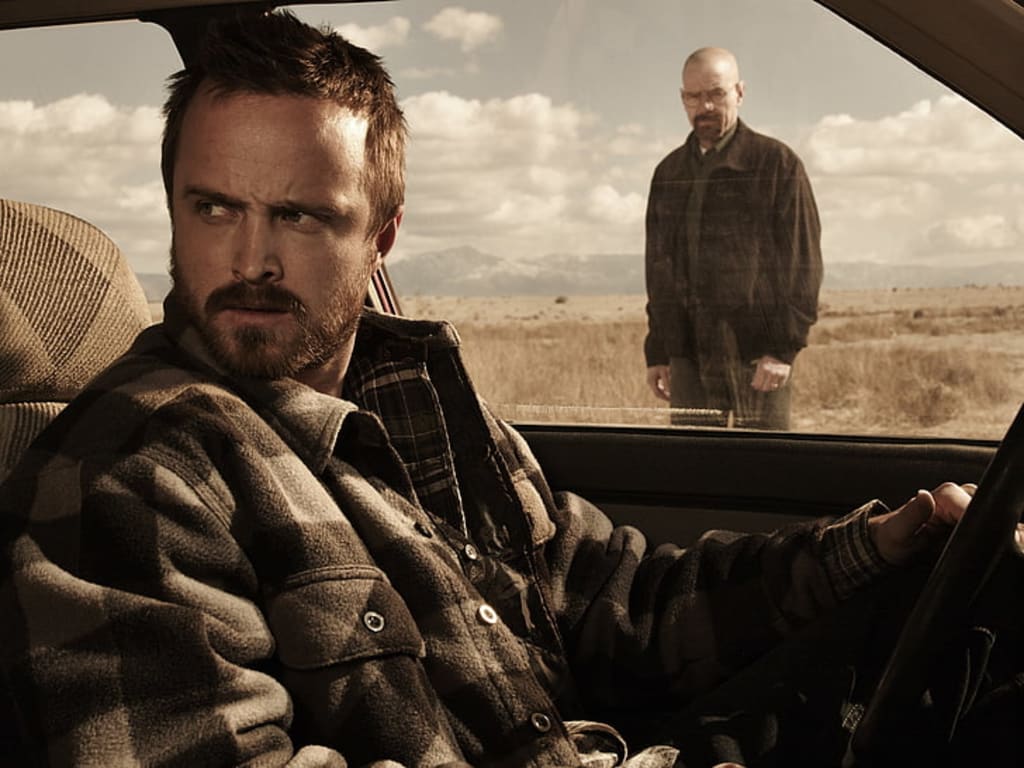
Jesse Pinkman, the skateboarding stoner with a surprisingly strong moral compass, is more than just Breaking Bad's comic relief. He's a compelling window into the emotional toll of the drug trade, showcasing a character arc that's as captivating as it is poignant. Let's explore the depths of Jesse's psyche, delving into the emotional rollercoaster he endures and the remarkable development he undergoes.
We meet Jesse as a young man adrift in a sea of petty crime and drug use. His loyalty to friends like Skinny Pete and Badger can't quite mask the emptiness of his life. Enter Walter White, the unlikely catalyst for Jesse's descent into the dark underbelly of the meth business. Jesse's initial naivety and eagerness to please quickly give way to fear, confusion, and moral quandaries. He witnesses the brutality of the trade firsthand, from Combo's tragic death to Tuco Salamanca's beatdown, grapples with the consequences of his choices, and questions the path he's on.
Jane Margolis becomes Jesse's anchor in the storm. Their relationship offers him a glimpse of normalcy and genuine love, a chance to escape the darkness. But fate, intertwined with Walt's manipulative web, snatches Jane away in a cruel twist. This devastating loss spirals Jesse into heroin addiction, a desperate attempt to numb the searing pain. His descent, raw and heartbreaking, showcases the emotional wreckage of trauma and addiction.
Jane's death becomes Jesse's breaking point. Consumed by rage and grief, he confronts Walt, ready to unleash the fury of his broken heart. But even in this moment of darkness, Jesse's inherent decency shines through. He chooses not to kill Walt, recognizing the destructive path he was headed down. This pivotal moment marks a turning point in Jesse's journey, a testament to his capacity for forgiveness and self-awareness.
El Camino, the Breaking Bad epilogue film, finds Jesse haunted by his past. He's on the run from a vengeful cartel, his PTSD a constant reminder of the horrors he's witnessed. Yet, amidst the fear and uncertainty, a glimmer of hope emerges. Jesse's street smarts and resourcefulness come into play, allowing him to outmaneuver his pursuers and secure a new identity. This escape, while bittersweet, offers a sense of closure and a chance for Jesse to finally build a life outside the shadow of the blue meth empire.
However, the memory of Gale Boetticher casts a long shadow over Jesse's soul. Killing Gale, an innocent and seemingly harmless chemist, was a turning point in his descent into darkness. The act shattered his remaining innocence and left him burdened with guilt and trauma. The guilt manifests in nightmares and flashbacks, constantly reliving the moment he took a life. It eroded his moral compass, leading him to question his own values and succumb to the pragmatism of the drug world. This internal conflict adds another layer of pain to his already scarred soul.
Despite the lasting impact of Gale's death, Jesse's journey is ultimately one of resilience. He chooses to confront his demons, seek redemption, and find a way out of the darkness. His vulnerability, his capacity for love and loyalty, and his unwavering moral compass make him a character we root for, even as he makes questionable choices.
In conclusion, Jesse Pinkman's emotional arc is a powerful reminder that even in the darkest of times, hope and redemption are possible. His journey resonates with audiences because it reflects our own struggles with choices, consequences, and the search for meaning in a complex world. He is a flawed hero, a cautionary tale, and ultimately, a testament to the enduring power of the human spirit to overcome even the most devastating circumstances.
About the Creator
Keep reading
More stories from WIME (World In My Eyes) and writers in Geeks and other communities.
Heisenberg's Odyssey: Why Breaking Bad Reigns Supreme
In the vast pantheon of television, few series dare to tread the dark, thrilling path carved by "Breaking Bad." It's not just a show; it's a visceral experience, a masterclass in storytelling that burrows deep into your psyche and refuses to let go. To claim it as the "best ever" might seem audacious, but to watch it is to understand why such audacity isn't far from truth.
By WIME (World In My Eyes)2 years ago in Geeks
Mouni Roy makes first appearance after harassment incident; industry backs her call for accountability
Mouni Roy has made her first public appearance following a horrifying harassment incident at a Karnal event that left her feeling humiliated and traumatized. Just a day after sharing her ordeal on Instagram, paparazzi captured her stepping out at night. The spotting came late evening. Dressed in a light outfit, Mouni kept her head down, fiddled with her hair, and strode quickly beside her manager.
By Dena Falken Esq2 days ago in Geeks



Comments (1)
Hey, I like it!! You outlined it thoroughly, summed it up wonderfully and I really liked the ending sentence!!