
Book Review: "The Shepherd's Hut" by Tim Winton
5/5 - Tim Winton's classic novel of self-discovery is back to do its job: emotionally cripple its readers

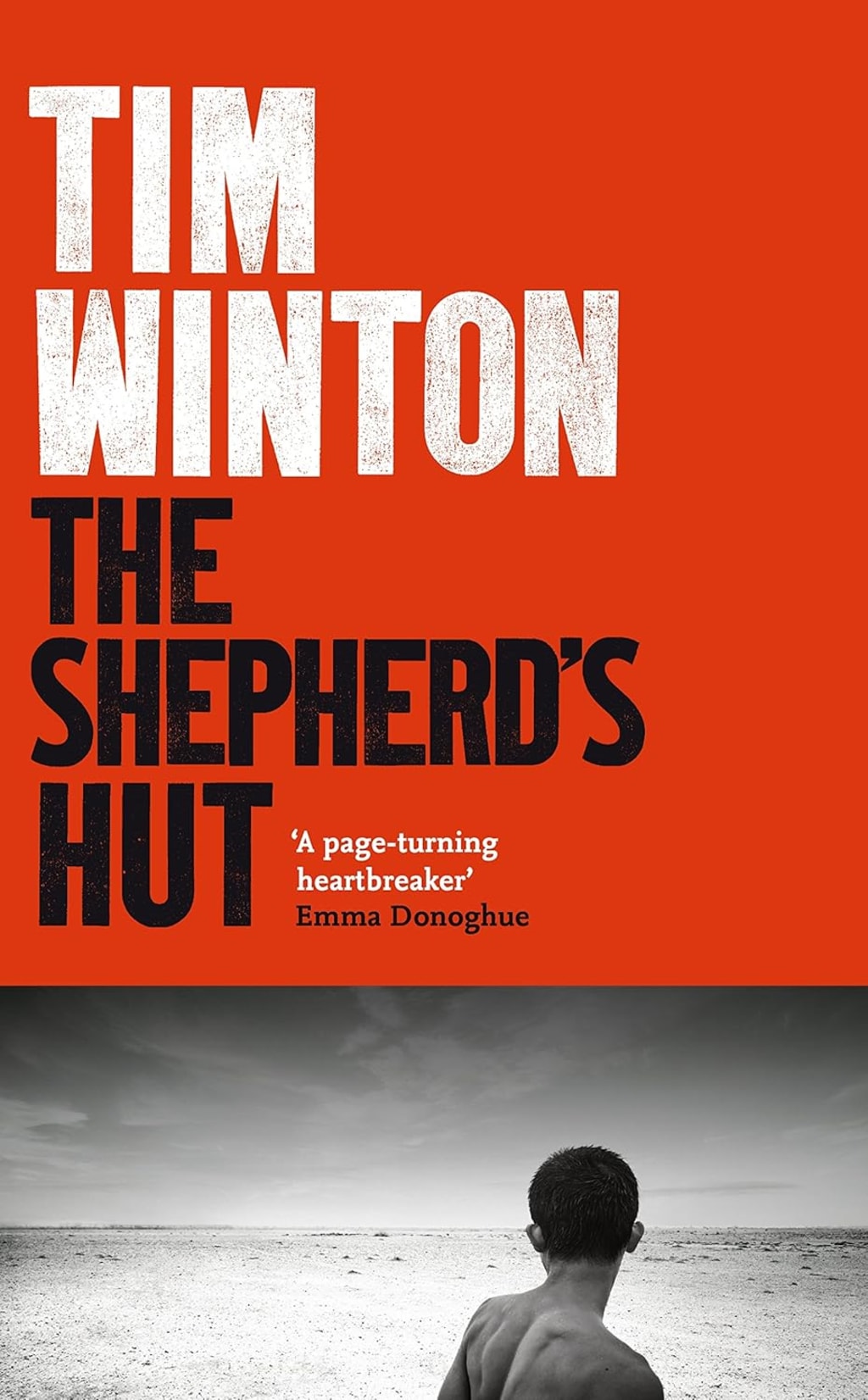
Tim Winton is perhaps one of my favourite writers of the last year or so because when I read the novel “Cloudstreet” I was completely taken by his writing style. After this, I started to pay more attention to his novels including books such as: “Dirt Music” and “The Riders”. I read his short story anthology entitled “The Turning” and his attempt at a gothic novella entitled “In the Winter Dark”. So far, I have been fascinated by his output and have thus moved on to reading “The Shepherd’s Hut” and yes, I am looking on reading his novel “Juice” in the near future. If you don’t believe that his output is fantastic then please, go back to where you read about “Cloudstreet” and go and read that book.
Jaxie Clackton, the novel’s narrator, is a teenage boy trapped in an abusive and loveless life in the small town of Monkton. His father, Sid, is a violent and tyrannical butcher who subjects Jaxie to relentless physical and emotional abuse. Jaxie’s mother, whom he adored, has died, leaving him alone and vulnerable to his father’s wrath. Jaxie’s voice, rendered in unpolished and raw vernacular, immediately immerses the reader in his world—a world marked by violence, deprivation, and a yearning for escape. When his father dies suddenly in a freak accident, Jaxie seizes the opportunity to flee. However, his departure is not just a physical escape but an attempt to shed the scars of his past and seek a future where he can be free to define himself. Winton portrays Jaxie’s flight as both an act of desperation and a bold assertion of agency, setting the stage for a harrowing journey through the desolate outback. This is probably one of the most harrowing ways you can start a story, but it really does connect the reader to Jaxie who, we are constantly praying will have a better life.
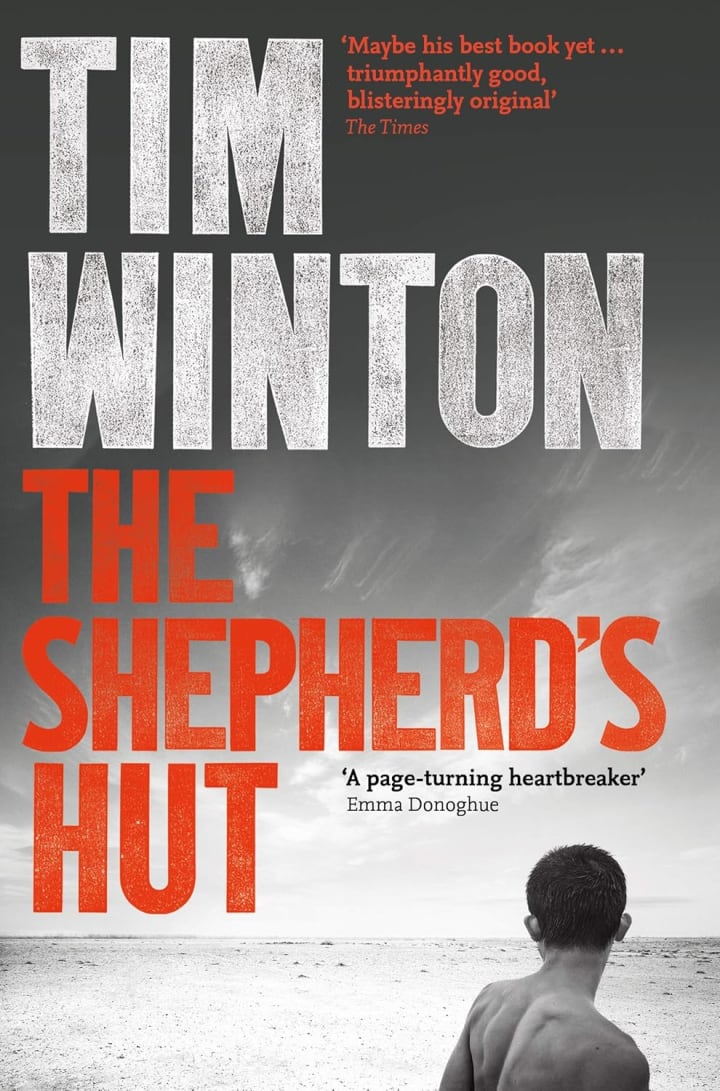
As Jaxie embarks on his journey northward, his survival becomes a central focus of the narrative. The Western Australian outback is presented as a character in its own right—vast, indifferent, and perilous. Winton’s descriptions of the landscape are vivid and evocative, capturing its harshness and beauty in equal measure. The searing heat, endless salt flats, and scarcity of water test Jaxie’s resilience and ingenuity, forcing him to rely on his instincts and resourcefulness. Jaxie’s interactions with the natural world are raw and elemental, underscoring his connection to the land and his fight for survival. He scavenges for food, conserves water, and battles exhaustion and fear as he navigates this hostile environment. These passages are taut with tension, illustrating the precariousness of life in the outback and Jaxie’s determination to endure. This kind of reminds me of the book “The Wall” by Marlin Haushofer because the main character in that book too, is battling against a post-apocalyptic style of backdrop, struggling to survive and so must do whatever she can.
Jaxie’s journey takes an unexpected turn when he stumbles upon Fintan MacGillis, an elderly Irish priest living in exile in a remote shepherd’s hut. Fintan is a complex and enigmatic character whose presence challenges Jaxie’s preconceptions and forces him to confront his own prejudices. Initially wary of Fintan, whom he distrusts due to his past experiences with authority figures, Jaxie gradually forms an uneasy bond with the older man. Fintan’s hut becomes a temporary sanctuary for Jaxie, offering respite from the harshness of the outback and a semblance of companionship. The relationship between Jaxie and Fintan is fraught with tension but also marked by moments of profound connection and understanding. This ‘finding’ seems to be common in Winton’s novels. I remember reading “The Riders” and there is something of this sort in there as well. It seems to be that the main character must go on a long an arduous journey before they can return to themselves. A classic style of ‘self discovery’ story worked against an unforgiving landscape wrought with physical harm and emotional trauma.
The novel is imbued with a sense of moral ambiguity, particularly in its portrayal of Jaxie’s actions and motivations. Jaxie is both a victim and a perpetrator, his choices shaped by his circumstances but not entirely excused by them. Winton resists offering easy answers or absolution, instead presenting Jaxie’s story with nuance and complexity. All in all, he is constantly and indirectly questioning the reader’s sympathy towards him as if we do not trust ourselves with him and he, in turn, does not trust us either.
About the Creator
Annie Kapur
I am:
🙋🏽♀️ Annie
📚 Avid Reader
📝 Reviewer and Commentator
🎓 Post-Grad Millennial (M.A)
***
I have:
📖 280K+ reads on Vocal
🫶🏼 Love for reading & research
🦋/X @AnnieWithBooks
***
🏡 UK
Keep reading
More stories from Annie Kapur and writers in Geeks and other communities.
Book Review: "Plainsong" by Kent Haruf
This is one of the books I'd told myself I'd read in the New Year. As I was finishing off Empire of Things I thought I now needed some fiction to read - but something deep, emotional and immersive. I needed something that perhaps I had not really heard much about as well. I guess we can count this on the list of authors I've never heard of then! Plainsong is set in Holt, Colorado and tells the tense, moving and heartbreaking story of a whole bunch of loveable characters. The chapters move swiftly between them, looking at how each of them need to get through a particularly difficult time. It simply takes you away.
By Annie Kapur11 months ago in Geeks
Marvel Zombie
The last entry into our 2025 superhero projects catalogue is Marvel Zombies. This was a show that was anticipated by absolutely no one and it disappeared from the public consciousness as quickly as it was released. There was nothing special about the project that made it a must see, or a must remember. In fact if anything it's a must forget.
By Alexandrea Callaghan27 days ago in Geeks
British Passports
A British passport is often seen as a simple requirement for international travel, but its significance goes far beyond airport security checks and border stamps. It represents legal identity, citizenship, and a long history shaped by the United Kingdom’s evolving relationship with the world. From its origins to its modern design and practical value, the British passport reflects both tradition and change. In today’s global landscape, where mobility, security, and national identity intersect, the British passport remains an important document with cultural, political, and personal meaning. The Origins of the British Passport Passports in Britain date back several centuries, though they did not resemble the standardized booklets used today. Early versions were letters issued by the Crown, requesting safe passage for travelers. Over time, as international travel increased and borders became more regulated, the need for a formal identification system grew. By the early 20th century, passports had become standardized documents, influenced by international agreements following World War I. These developments laid the foundation for the modern British passport, aligning it with global travel norms while retaining distinct national features. Design and Symbolism The design of a British passport has always carried symbolic weight. Traditionally featuring a deep burgundy cover, the passport displayed the royal coat of arms, reinforcing its connection to the monarchy and the state. This design became widely recognized around the world and associated with European Union membership. In recent years, changes to the passport’s appearance have sparked public discussion. The updated design emphasizes British heritage, featuring historical figures, cultural icons, and technological achievements within its pages. These illustrations serve not only as security features but also as a visual narrative of the nation’s past and present. Beyond aesthetics, modern British passports include advanced biometric technology. Embedded chips store personal data and facial recognition information, enhancing security and reducing the risk of fraud. Citizenship and Eligibility Holding a British passport is a confirmation of citizenship, but eligibility is not always straightforward. British nationality law includes several categories, such as British citizens, British Overseas Territories citizens, and British nationals (overseas). Each status carries different rights and privileges, particularly when it comes to residency and travel. For most applicants, citizenship is acquired by birth, descent, or naturalization. Naturalization involves meeting residency requirements, demonstrating knowledge of life in the UK, and showing proficiency in the English language. The passport, once issued, becomes a tangible recognition of this legal status. Global Mobility and Travel Access One of the most practical aspects of a British passport is the level of international access it provides. British passport holders can travel to a large number of countries without requiring a visa in advance, making it a valuable document for business travelers, tourists, and students alike. While visa-free access can change depending on international relations and policy updates, the British passport has consistently ranked among the stronger passports globally. This mobility reflects the UK’s diplomatic relationships and longstanding ties with many countries around the world. Security, Responsibility, and Renewal With its benefits come responsibilities. British passport holders are expected to safeguard their documents, report loss or theft promptly, and ensure that their passport remains valid for travel. Many countries require passports to have several months of validity remaining, making timely renewal essential. The UK government has modernized the application and renewal process, offering online services that simplify submissions and tracking. Despite these improvements, applicants are encouraged to plan ahead, especially during peak travel seasons when processing times may increase. Passports in a Changing Political Landscape Political changes have influenced how British passports are perceived, both domestically and internationally. Shifts in immigration policy, border control, and international agreements have all played a role in shaping public conversations around citizenship and identity. For some, the British passport represents continuity and heritage. For others, it reflects adaptation to new global realities. Regardless of perspective, the document remains a key link between individuals and the state, symbolizing both rights and obligations. Cultural and Personal Significance Beyond legality and logistics, a British passport often carries deep personal meaning. For first-time applicants, it can symbolize independence or the beginning of global exploration. For naturalized citizens, it may represent years of effort and a sense of belonging. Families often pass down passports through generations, each one holding memories of journeys taken, milestones reached, and connections formed across borders. In this way, the passport becomes more than an administrative tool—it becomes a record of personal history. Looking Ahead As technology advances and global travel evolves, passports will continue to change. Digital verification, enhanced biometrics, and streamlined border processes are likely to shape the future of travel documents. The British passport will adapt alongside these developments, balancing security, convenience, and identity. What remains constant is its role as a bridge between the individual and the wider world. Whether used for travel, identification, or simply stored safely at home, the British passport continues to carry significance beyond its pages. Final Thoughts A British passport is more than a booklet issued by the government. It reflects centuries of history, evolving national identity, and the practical realities of global movement. From its symbolic design to its legal importance, the passport stands as a reminder of how closely personal freedom and national policy are connected. In a world where borders and identities are continually redefined, the British passport remains a powerful symbol of citizenship, responsibility, and opportunity.
By Saboor Brohi 5 days ago in Geeks


Comments (3)
This is a great review!! The premise sounds intriguing and I love how you included hints at some of the craft/narrative voice choices. This is definitely being added to my TBR list. Thank you for another awesome review, Annie!
More TW! This one is giving me serious deja vu and it's on my list... 📚
📕🏆🙏