
Book Review: The Psychology of Money "The Mental Game of Money"
The Emotional Rules of Money You Can’t Ignore


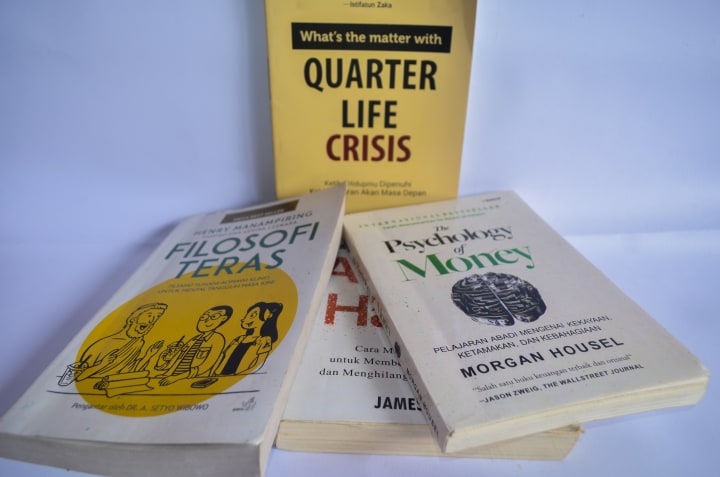
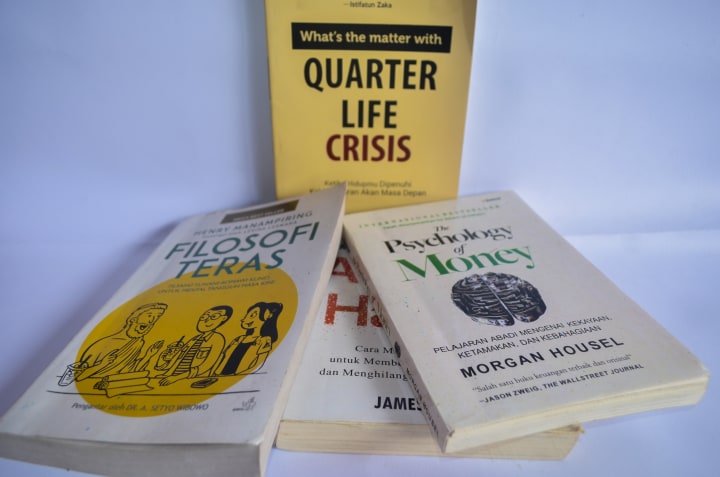
The Psychology of Money by Morgan Housel: A Detailed Overview
Introduction
The Psychology of Money by Morgan Housel is a bestselling personal finance book that explores the complex relationship between human behavior and money. Unlike traditional finance books that focus on mathematical formulas and investment strategies, Housel delves into the psychological and emotional aspects of financial decision-making. Published in 2020, the book has gained widespread acclaim for its insightful, relatable, and timeless lessons on wealth, greed, and happiness.
About the Author: Morgan Housel
Morgan Housel is a partner at The Collaborative Fund, a venture capital firm, and a former columnist at The Wall Street Journal and The Motley Fool. With a background in financial writing, Housel has won multiple awards, including the New York Times Sidney Award and two Society of American Business Editors and Writers (SABEW) Best in Business Awards.
Housel’s writing style is engaging and anecdotal, making complex financial concepts accessible to a broad audience. His work often emphasizes the role of behavior in financial success rather than pure intelligence or technical knowledge.
Key Themes and Lessons from The Psychology of Money
1. Money is More About Behavior Than Math
Housel argues that financial success is less about intelligence and more about behavior. People often make irrational financial decisions due to emotions like fear, greed, and envy. Understanding these psychological traps can lead to better money management.
2. Luck and Risk Play a Significant Role
The book highlights how luck and risk influence financial outcomes. Many wealthy individuals owe part of their success to luck, while others fail despite skill due to unforeseen risks. Recognizing this helps in making more humble and rational financial choices.
3. The Power of Compounding
Housel emphasizes the importance of long-term thinking. Small, consistent investments grow exponentially over time due to compounding. He cites examples like Warren Buffett, who built his wealth not just through smart decisions but through decades of compounding returns.
4. Getting Wealthy vs. Staying Wealthy
There’s a difference between getting rich (which often involves risk-taking) and staying rich (which requires caution and sustainability). Many people lose their wealth because they fail to transition from aggressive growth to preservation.
5. The Role of Greed and Enough
Housel discusses the concept of "enough"—knowing when to stop chasing more money. Greed leads to unnecessary risks, while contentment ensures financial stability and happiness.
6. Freedom is the Ultimate Dividend
The real value of money lies in the freedom it provides—control over time, choices, and lifestyle. Financial independence is more fulfilling than lavish spending.
7. Tail Events Drive Success
A few key decisions or investments (tail events) often determine most outcomes. Most efforts fail, but the ones that succeed can outweigh all losses.
8. Pessimism Sounds Smarter, but Optimism Pays
People tend to overestimate risks because pessimism seems more intelligent. However, long-term optimism in markets and economies has historically been more profitable.
9. Wealth is What You Don’t See
True wealth is hidden—savings, investments, and frugality. Flashy spending often indicates financial insecurity rather than real prosperity.
10. Room for Error
Always leave a margin of safety in finances. Unexpected events happen, and those who prepare survive economic downturns better.
Notable Stories and Examples
Ronald Read: The Janitor Who Died a Millionaire
Housel shares the story of Ronald Read, a gas station attendant and janitor who quietly amassed $8 million by living frugally and investing wisely in blue-chip stocks. His story proves that wealth is about patience and discipline, not income level.
Bill Gates and the Luck of Timing
Gates is undoubtedly brilliant, but his success also depended on being born at the right time (the dawn of the computer age) and having access to a high school with a computer—an extreme rarity in the 1960s.
The Fall of Long-Term Capital Management (LTCM)
A hedge fund run by Nobel laureates collapsed because they ignored the possibility of extreme market events. Intelligence alone doesn’t guarantee financial success—humility and risk management matter more.
Why The Psychology of Money Stands Out
Unlike typical finance books filled with jargon, Housel’s work is narrative-driven, using real-life stories to illustrate principles. It doesn’t prescribe a one-size-fits-all strategy but encourages readers to reflect on their own behaviors and biases.
Conclusion
The Psychology of Money is a must-read for anyone interested in personal finance, investing, or behavioral economics. Morgan Housel’s ability to blend storytelling with profound financial wisdom makes this book both educational and enjoyable. The key takeaway is that managing money isn’t just about numbers—it’s about understanding human nature, embracing uncertainty, and making decisions that align with long-term happiness.
About the Creator
Am@n Khan
I'm educational storyteller passionate about turning knowledge into engaging narratives.
I write about topics like science, history and life skills.
Contact
WhatsApp : +923336369634
Book Review: "Human Monsters: A Horror Anthology" by Various Authors
Yes, it's horror again. I'm feeling kind of down and whenever I'm down I read horror because it makes me feel better. Have you heard about that study that states people who are in depression should watch and read horror in order to make themselves feel better? Yeah, I checked it out some time ago - you should too. Human Monsters is exactly what you think it is, it is about monsters who are human - those who lurk in the normal world, not in the shadows, not in the darkness - they stand right in front of us. They are us. Let's go through my favourite stories in the anthology...
By Annie Kapur19 days ago in Geeks
Federal Reinforcements and Rising Tension in Minneapolis
Tension in Minneapolis has risen sharply in recent days as the U.S. Department of Homeland Security (DHS) announced plans to deploy hundreds more immigration officers to Minnesota following the fatal shooting of a local woman by an Immigration and Customs Enforcement (ICE) agent. The move comes amid nationwide protests and deepening polarization over federal immigration enforcement efforts. The decision to send additional officers was publicly confirmed by DHS Secretary Kristi Noem, who said the reinforcements are meant to “ensure the safety” of ICE and Border Patrol personnel already in the Minneapolis–St. Paul area. Officials noted that more than 2,000 federal officers have already been stationed in the region as part of what the administration describes as its largest immigration enforcement operation ever. What Sparked the Deployment? The deployment follows the Jan. 7 fatal shooting of 37-year-old Renee Nicole Good by an ICE officer during an enforcement action in south Minneapolis. Good, a mother of three, was struck and killed by gunfire as she sat in her vehicle. Federal authorities have characterized the incident as a defensive action, saying the driver’s conduct endangered officers. However, local political leaders and community members strongly dispute that narrative. Minneapolis Mayor Jacob Frey and other officials have criticized federal accounts of what happened, pointing to bystander videos that they say contradict the claim that Good posed an active threat when she was shot. They have also condemned the broader federal immigration operation in the city, saying it has fostered fear and mistrust in local communities. The legal and investigative aftermath remains complicated. Minnesota authorities sought to investigate the shooting, but federal officials asserted exclusive jurisdiction, citing constitutional protections for federal officers. This has deepened frustration among state leaders who want greater transparency and local involvement in the inquiry. Protests and Public Reaction The shooting ignited protests in Minneapolis almost immediately and spurred demonstrations across the country. Over the weekend following the incident, more than 1,000 rallies were organized in cities nationwide, drawing tens of thousands of participants. Protesters have framed their actions as a call for accountability and change in how immigration policy is enforced. In Minneapolis, large crowds gathered near the site where Good was killed to march and call for an end to what they see as an aggressive federal presence. Many protesters have chanted slogans critical of ICE and the broader administration’s immigration agenda. Scenes from protests have been varied. In some locations, demonstrators have remained peaceful, holding signs and vigils in memory of Good. In others, confrontations between some protesters and law enforcement have occurred, with reports of officers deploying crowd control tactics. Supporters of the federal response argue that a strong enforcement posture is necessary to uphold U.S. immigration laws and to address alleged crime tied to illegal immigration. DHS officials also stressed that the officers being sent to Minnesota are there to protect their federal personnel and keep operations running despite protests. The Broader Context of Immigration Enforcement This episode is part of a much larger national debate over immigration policy and enforcement tactics. The Trump administration’s recent focus on interior enforcement — including deportations and raids — has been a defining pillar of its second term. Minneapolis, a city with a diverse population and sizable immigrant communities, has become a focal point for that strategy. Critics say that such heavy federal deployment in city neighborhoods undermines community trust and disproportionately affects non-violent immigrants and long-standing residents. Advocates for immigrant rights argue that punitive tactics fuel fear, discourage cooperation with local authorities, and erode civil liberties. Supporters counter that rigorous enforcement is essential for national security and upholding the rule of law. They argue that federal agents must be backed by sufficient resources, especially when facing hostile demonstrations or resistance. Voices from Minneapolis Local sentiment in Minneapolis remains deeply divided. Many residents expressed grief and shock over the death of Renee Good, while also expressing concern about the scale and nature of the federal response. A number of community members have organized vigils, public gatherings, and faith-based services to provide mutual support and to call for justice. Conversely, Minneapolis leaders have urged calm while also criticizing federal policies they claim escalate tensions. Mayor Frey has been vocal in his rejection of the federal narrative, insisting that the city deserves transparency and a fair process to understand what led to Good’s death. Looking Ahead As hundreds more immigration officers make their way to Minneapolis, the city and the nation find themselves at a critical juncture in the ongoing debate about immigration enforcement. The coming days will likely see continued protests, political clashes, and legal challenges as both sides defend their interpretations of events and advocate for their visions of public safety and justice. For now, Minneapolis stands on edge — a city caught between federal authority and local calls for accountability, grieving a woman’s death, and questioning how far immigration enforcement can go before it deepens divisions even further.
By Saboor Brohi about 5 hours ago in Geeks


Comments
There are no comments for this story
Be the first to respond and start the conversation.