
Book Review: "I've Been Thinking" by Daniel C. Dennett
5/5 - a philosopher's lucky life story in small chunks...

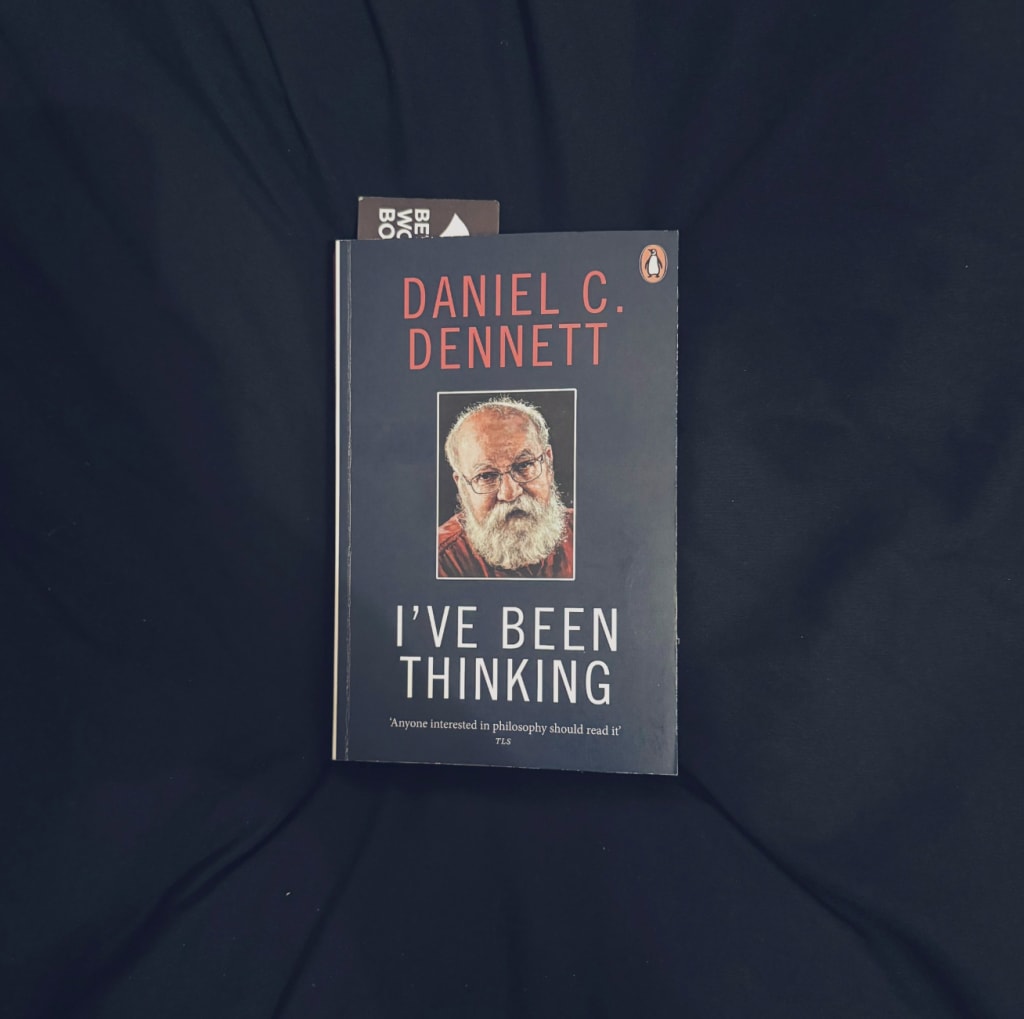
As you know, I've been living in Nottingham for a few months now and it's February, but I still haven't made any friends. This means that more often than not, I have stayed in my apartment when not at work because I have quite literally nowhere I need to go. After my mental health going into the gutter I decided to book a doctor's appointment (yes, it's become that bad) and until the time for it came, I wandered around the streets of the city centre. This is where the independent bookshop Five Leaves comes in. I had been meaning to visit for a while but couldn't find the time or reason to go. Now, with both at hand, I picked up a couple of books and this was one of them. At the Caffé Nero the next day - I sat and read most of the book, much to the surprise of some unusual on-lookers who, everytime I lifted by head, would give me a strange glance as if they'd never seen anyone read in a cafe before. But here we are...
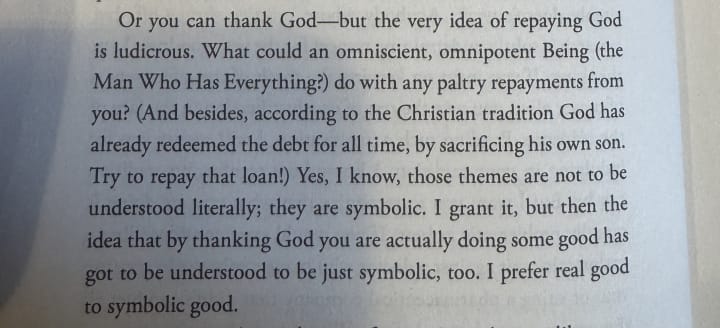
Dennett begins by recounting his childhood and the intellectual environment that shaped his curiosity. Born in 1942, he was raised in an academic household where books, debate, and critical thinking were encouraged. His father was an intelligence officer and scholar, and his mother played a crucial role in fostering his early love for knowledge. Dennett describes how his fascination with philosophy began at a young age, influenced by his encounters with science, literature, and religion. He reflects on how his early education instilled in him a love for inquiry, a trait that would define his career. In the prologue though, he shows his questioning look towards religion, something that I often joked to my brother about as being the 'final boss' if Jordan B Peterson was in fact, a video game character. One thing I found fascinating about his upbringing is the sheer amount of opportunity he had - this guy had privilege and luck literally coming from everywhere. It is made even more apparent as the book goes on.
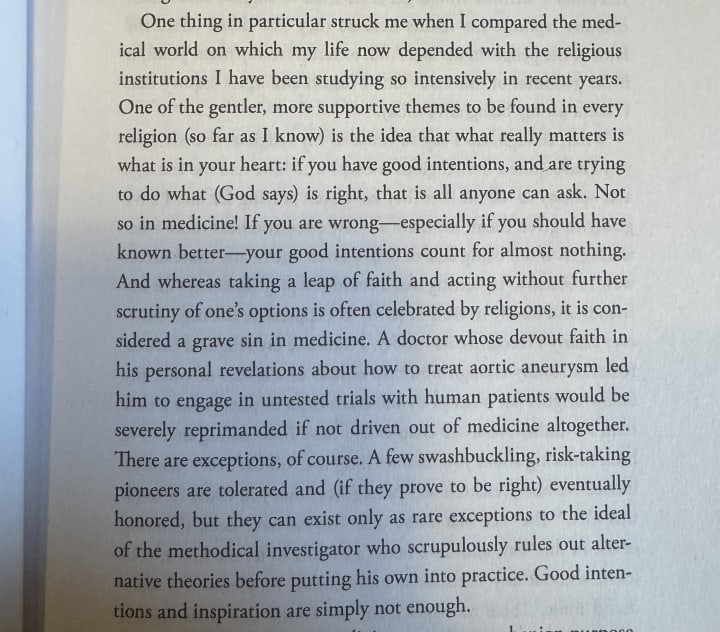
Dennett’s academic journey took him to Harvard University, where he studied under philosophers such as Willard Van Orman Quine. He was exposed to rigorous analytical philosophy, which played a significant role in shaping his thinking. Later, he pursued a doctorate at the University of Oxford under the supervision of Gilbert Ryle, a leading figure in philosophy of mind. Ryle’s scepticism of Cartesian dualism—the idea that mind and body are separate—greatly influenced Dennett’s own views. Throughout this section, Dennett describes his interactions with leading intellectuals and how their debates helped refine his own perspectives. Who can say that they have ever been noticed by a professor this way no matter how hard they work? Absolutely not me and I went to a pretty good university. I remember that in the book he talks about teaching Medieval Philosophy without knowing a thing about it and therefore, having to read a few chapters ahead of the students every lecture. If this isn't a life of privilege I don't know what is.
Throughout his career, Dennett has faced criticism, not only from religious thinkers but also from fellow philosophers and scientists. He discusses some of the major intellectual battles he has fought, particularly over consciousness, free will, and artificial intelligence. He shares stories of contentious debates, letters of criticism from colleagues, and moments when his ideas were misunderstood. Yet, he maintains that these challenges have only strengthened his resolve and deepened his thinking. I think I was astounded by the fact that this guy basically has a degree in philosophy and people with degrees in law and science are taking him seriously. I mean, I have degrees in English and nobody takes me seriously. It's fascinating to read about someone who broke that wall and is actually considered a fellow intellectual. I would like to do the same so I have to say: I am a fan.
Dennett also reflects on his role as a teacher and mentor. He has spent decades teaching philosophy, and in this section, he shares anecdotes from the classroom, discussing how he has tried to make complex ideas accessible to students. He expresses deep appreciation for the importance of intellectual engagement and the power of asking good questions. Teaching, he argues, is not just about imparting knowledge but about fostering curiosity and critical thinking in others. If only schools knew this then we would have it much easier. A knowledge-based curriculum does not mean cramming the student's head with knowledge, but perhaps teaching one thing well. It might take a long time, but that is one thing known better than they knew it before, and in real detail as well.
I’ve Been Thinking is not just an autobiography—it is a philosophical reflection on a life devoted to inquiry. Dennett offers readers a deeply personal account of how he became one of the most influential thinkers of his time. His storytelling is engaging, often humorous, and always intellectually stimulating. For those interested in philosophy, science, and the nature of human thought, this book provides both a fascinating life story and an insightful exploration of some of the biggest questions in philosophy.
About the Creator
Annie Kapur
I am:
🙋🏽♀️ Annie
📚 Avid Reader
📝 Reviewer and Commentator
🎓 Post-Grad Millennial (M.A)
***
I have:
📖 280K+ reads on Vocal
🫶🏼 Love for reading & research
🦋/X @AnnieWithBooks
***
🏡 UK
Keep reading
More stories from Annie Kapur and writers in Geeks and other communities.
"Spurn Fate, Scorn Death"
Background and Context: If I've said it once, I've said it a million times - most of the readings for these essays come from things I did on my degree. Please, try to read the secondary sources if you're interested. There's a lot of great stuff in there! (If you want to be pointed in the direction of which are the best then please, do not hesitate to get into contact. I love sharing this stuff about Shakespeare).
By Annie Kapur10 months ago in Geeks
The Rachels - 2025
Much to my surprise, I have kept a list of the films I‘ve seen this year. I daresay it isn’t complete. There will be films that snuck in on a late night in front of the TV that I would’ve forgotten to note. Or others, that I went to watch at the cinema, but then had a red wine and promptly forgotten about. But it’s not a bad approximation of the films I’ve seen this year. In total, there are 53 films listed, so an average of one a week and one for good luck.
By Rachel Robbins28 days ago in Geeks
How Old Is Usha Vance? Everything to Know About JD Vance’s Wife
How Old Is Usha Vance? Everything to Know About JD Vance’s Wife Usha Vance has become a well-known public figure in the United States. As the wife of Vice President JD Vance and the Second Lady of the United States, she often appears at important public events and official ceremonies. Many people are now curious about her age, background, family, and life story. This article shares those details in a clear and respectful way. Who Is Usha Vance? Usha Vance, whose full name is Usha Bala Chilukuri Vance, is the wife of JD Vance. Since her husband entered national office, she has gained public attention for her calm personality and supportive role. She is often seen attending official events, community programs, and national ceremonies. One of her most visible appearances was during the 2025 presidential inauguration, where many people began searching online to learn more about her. Usha is not only known for her public role. She is also a trained lawyer with a strong academic background. Her education and career have helped shape her reputation as an intelligent and thoughtful public figure. How Old Is Usha Vance? One of the most common questions people ask online is: How old is JD Vance’s wife? Usha Vance is currently 40 years old. She was born on January 6, 1986. Her husband, JD Vance, is 41 years old. He was born on August 2, 1984. Their close ages and shared life journey make their story relatable to many couples. How Did JD Vance and Usha Vance Meet? JD Vance and Usha Vance met while studying at Yale Law School. Their friendship grew during their time as students, and over time their relationship became stronger. They got married in 2014 after completing their studies. Many people find their story inspiring because it began with education, respect, and shared goals. Their Interfaith Marriage Usha Vance practices Hinduism, while JD Vance practices Christianity. When they married, they chose to honor both traditions by holding an interfaith wedding ceremony. This part of their story is often appreciated by people from different backgrounds, as it shows mutual respect and understanding between cultures. Usha Vance’s Role as Second Lady As the Second Lady of the United States, Usha Vance attends public events, supports social causes, and represents the nation alongside her husband. She has become a familiar face at official programs and national gatherings. Many people describe her public presence as calm, respectful, and thoughtful. Her professional background as a lawyer also adds to the public’s respect for her role. She is seen not just as a political spouse, but as someone with her own identity, education, and experience. Do JD Vance and Usha Vance Have Children? Yes, JD and Usha Vance are parents. They currently have three children and often speak about how important family is to them. In January 2026, the couple announced that they are expecting their fourth child. This news was warmly received and showed that, even with busy public lives, family remains a top priority for them. Why Are People Interested in Usha Vance? Public interest in Usha Vance continues to grow for several reasons: She is the Second Lady of the United States She is a lawyer with a strong educational background She supports her husband at major public events She represents a respectful interfaith marriage She is raising a growing family in the public eye Many readers find her story inspiring because it reflects balance between career, family, and public life. Final Thoughts Usha Vance’s journey from law student to Second Lady of the United States has attracted attention across the country. At 40 years old, she balances many roles — wife, mother, professional, and public figure — with grace and confidence. Her background, education, and family life make her someone many people are interested in learning about. As her public role continues to grow, it is clear that Usha Vance is becoming known not only as JD Vance’s wife, but as a respected public figure in her own right.
By Farhan Khan3 days ago in Geeks



Comments
There are no comments for this story
Be the first to respond and start the conversation.