
Another Country by James Baldwin
Why It's a Masterpiece (Week 59)

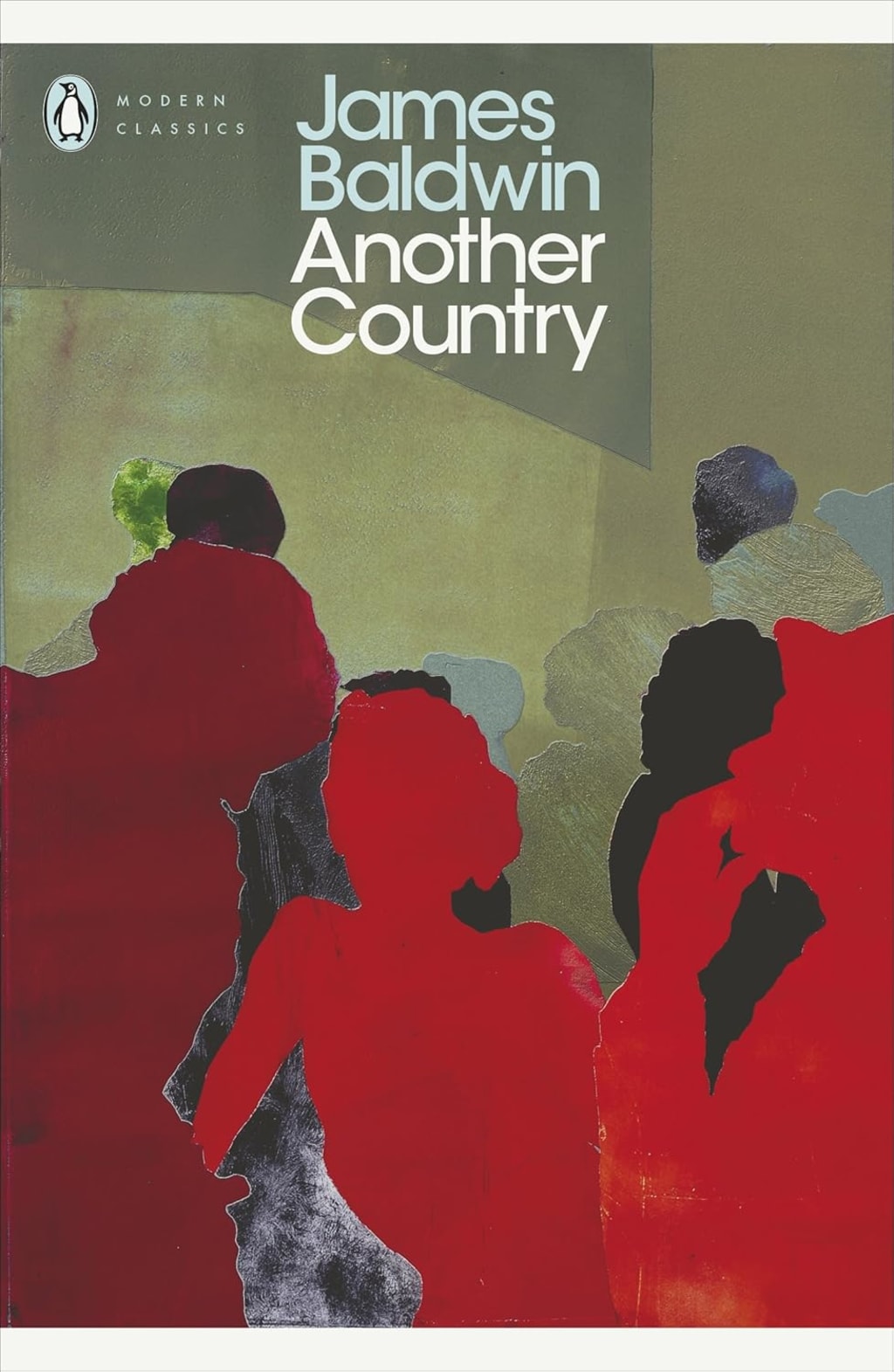
The novel, published in 1962, was a groundbreaking and controversial work at the time of its release, exploring themes of race, sexuality, and identity in America. Baldwin, an African American writer and civil rights activist, wrote the novel against the backdrop of the Civil Rights Movement, which was rapidly gaining momentum in the early 1960s. The book came at a time when Baldwin was living in exile in Paris, partly because he felt he could write more freely about American society from abroad. His expatriate experience deeply influenced Another Country, as the novel presents complex views of American life, examining prejudice and intimacy from an outsider’s perspective.
Plot
The story begins with Rufus Scott, a young, talented Black jazz drummer who is deeply troubled and struggling with his identity, relationships, and place in society. Haunted by the systemic racism he encounters, he feels trapped by the city and increasingly alienated from those around him. Rufus’s relationship with a white Southern woman named Leona only compounds his pain, as it draws disdain and scrutiny from both their social circles. This relationship ultimately deteriorates, and Rufus, in despair, dies by suicide early in the novel. His death serves as a catalyst for the other characters, bringing them together and setting the stage for their own journeys of self-discovery.
Following Rufus’s death, the novel focuses on his friends and their intertwined lives. Vivaldo, a young white writer and Rufus’s closest friend, is wracked with guilt and confusion about his friend’s death. He begins a relationship with Ida, Rufus’s sister, but their union is fraught with tension due to underlying racial and personal issues. Vivaldo, despite his genuine feelings for Ida, grapples with his own prejudices and insecurities, leading to conflicts between them that reflect the broader societal tensions around race and identity.
Ida, devastated by her brother’s death, is angry and bitter, feeling that society’s racism and marginalization of Black people contributed to Rufus’s demise. She uses her relationship with Vivaldo as a way to process her pain, though she struggles to trust him fully. Throughout the novel, Ida and Vivaldo’s relationship serves as a lens through which Baldwin examines interracial relationships and the complications of love in a racially divided society.
Another central character is Richard, a white, middle-aged writer who is married to Cass, a woman seeking more depth and authenticity in her life. While Richard works diligently on his writing career, Cass feels increasingly disconnected and frustrated, yearning for passion and purpose beyond her role as wife and mother. This tension leads her to have an affair with Eric, a bisexual actor who has recently returned to New York from Paris.
Eric is a pivotal character in Another Country, as he embodies Baldwin’s exploration of sexuality and fluidity. Although Eric once had a relationship with Rufus, he is now involved with Cass, and his past also includes a romantic connection with Vivaldo. Eric’s experiences and relationships highlight the novel’s theme of sexual identity and the complexity of human desire. He is a symbol of liberation but also of the struggle to navigate love in a society that doesn’t accept or fully understand him.
As the characters' lives intersect and collide, Baldwin reveals how each of them faces their inner struggles with love, guilt, and societal expectations. Through their relationships, Baldwin dissects the complexities of connection, often showing how these connections are tainted by prejudice, unresolved personal issues, and societal norms. By the novel’s end, the characters are left grappling with their choices, questioning their identities, and searching for understanding and redemption.
Another Country ultimately paints a poignant and unflinching picture of human relationships in a world where love is bound by racial and societal constraints. The novel leaves readers with a sense of ambiguity, reflecting Baldwin’s belief in the complicated, often painful journey of self-discovery and the human capacity for both profound love and deep-seated prejudice.
Into the Book
Race and racial identity are central to Another Country, with Baldwin examining the tensions and prejudices that permeate American society. The novel reveals how race shapes and confines the lives of its characters, particularly through Rufus Scott, a talented Black jazz musician who faces systemic racism. Rufus's life and relationships are marked by the struggles and frustrations of being a Black man in a predominantly white society, and Baldwin portrays his despair and disillusionment as he confronts the reality of racial oppression. His relationship with Leona, a white woman, exposes the deep-rooted racial prejudices of the era, highlighting how interracial relationships are met with hostility and judgement. Rufus’s suffering and eventual suicide underscore the psychological impact of racism, demonstrating how it contributes to his sense of alienation and self-destruction.
Racial tensions continue to be explored through Ida, Rufus’s sister, whose interactions with Vivaldo, a white man, illustrate the complex dynamics of interracial love. Ida is angry and embittered by the societal racism that she believes contributed to her brother’s death. Her relationship with Vivaldo is complicated by her mistrust, as she suspects he cannot fully understand or empathise with her experiences as a Black woman. Baldwin uses their relationship to question the limitations of interracial understanding, emphasising the distance that racial identity creates even within intimate relationships. Through these depictions, Baldwin critiques American society's failure to address the pervasive effects of racism and raises questions about whether genuine connection is possible in a society that enforces racial divides.
“People don't have any mercy. They tear you limb from limb, in the name of love. Then, when you're dead, when they've killed you by what they made you go through, they say you didn't have any character. They weep big, bitter tears - not for you. For themselves, because they've lost their toy.”
- Another Country by James Baldwin
Baldwin’s portrayal of sexuality in Another Country is daring and progressive, delving into the fluidity of sexual identity and the struggles associated with self-acceptance. In a society marked by rigid sexual norms, the characters in Another Country engage in relationships that challenge conventional definitions of sexuality, revealing the complexity of human desire. Eric, a bisexual actor and one of the novel’s most intriguing characters, represents Baldwin’s exploration of non-normative sexual identities. His relationships, both past and present, with Rufus, Cass, and Vivaldo, allow Baldwin to question the constraints that society places on sexual expression. Eric’s fluidity is contrasted with the more conflicted and often concealed desires of other characters, showing the varying degrees to which individuals accept or suppress their sexuality in response to societal pressure.
Vivaldo’s complicated feelings for Eric, as well as his relationship with Ida, further highlight the novel's treatment of sexuality as an evolving and multifaceted aspect of identity. Baldwin uses these relationships to illustrate how individuals struggle to reconcile their desires with societal expectations, particularly in an era when alternative sexualities were often stigmatised. Through Eric and Vivaldo, Baldwin presents sexuality as an intrinsic, but often confusing, part of self-identity, shaped by both personal feelings and external social pressures. By depicting characters who navigate and sometimes resist these pressures, Baldwin critiques society's rigid views on sexuality and advocates for a more fluid and accepting understanding of sexual identity. Another Country thus becomes a profound exploration of the intersections between love, desire, and self-discovery.
“Love was a country he knew nothing about.”
- Another Country by James Baldwin
Alienation is a pervasive theme in Another Country, affecting each character as they navigate the complexities of race, sexuality, and personal relationships. Baldwin presents alienation as a consequence of societal expectations and prejudice, portraying it as a force that isolates individuals from both their loved ones and their sense of self. Rufus is perhaps the most poignant example, as he experiences profound alienation due to his racial identity and internalised self-hatred. He struggles to find belonging in a society that marginalises him, and his isolation ultimately leads him to take his own life. Rufus’s fate is a powerful critique of the effects of racism and a society that fails to understand or support individuals on the margins.
Cass, another alienated character, experiences isolation within her marriage to Richard. As a woman constrained by her domestic role, she longs for a life of deeper meaning and connection. Cass’s affair with Eric reflects her attempt to break free from societal expectations and explore her own identity outside the confines of marriage. Baldwin uses her isolation to comment on the limitations placed on women, particularly those who feel stifled by traditional gender roles. Through Cass, he questions whether personal fulfilment is possible within a society that demands conformity, showing how alienation affects individuals across different social identities.
“I remember what it was...to be young, very young. When everything, touching and tasting-everything- was so new, and even suffering was wonderful because it was so complete.”
- Another Country by James Baldwin
Why It's a Masterpiece
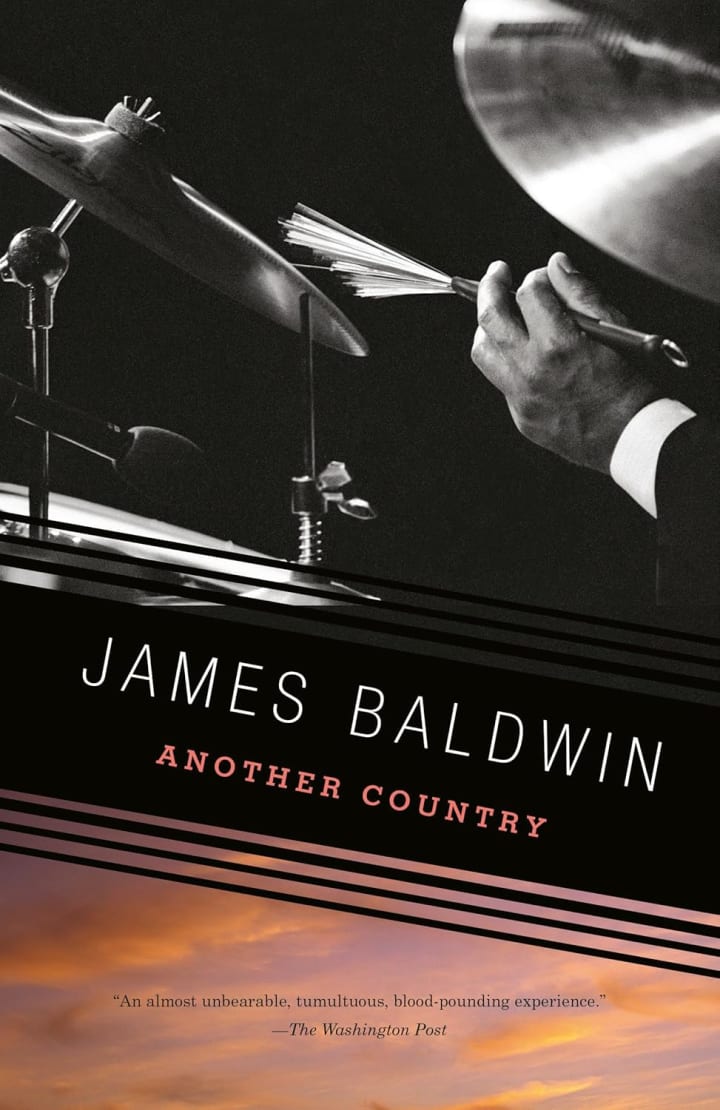
It is is widely considered a masterpiece due to its fearless exploration of race, sexuality, and human connection in mid-20th-century America. Baldwin’s prose is both lyrical and unflinching, and he crafts a narrative that is emotionally raw yet deeply empathetic, challenging readers to confront difficult truths about society and themselves. The novel’s themes of alienation and identity resonate universally, while its portrayal of the intense personal struggles of each character captures the harsh realities of a society steeped in prejudice. Baldwin’s ability to blend the personal with the political makes Another Country a profound social critique as well as a deeply moving story.
One of the most striking aspects of the novel is Baldwin’s exploration of love and desire as complex, fluid, and often conflicting forces. By presenting characters of diverse sexualities and racial backgrounds, Baldwin captures the intricacies of human relationships in a way that was revolutionary at the time. His portrayal of interracial and same-sex relationships was groundbreaking, especially as he did not shy away from the painful consequences of societal intolerance. Baldwin’s approach to sexuality as a natural, yet fraught, aspect of human identity has influenced generations of writers and made Another Country a landmark work in LGBTQ+ literature.
Furthermore, Baldwin’s style: marked by its poetic quality and profound insight, imbues the novel with a timeless relevance. His portrayal of characters struggling to find belonging, love, and meaning within a flawed society speaks to enduring human experiences, allowing the novel to transcend its historical setting. In Another Country, Baldwin not only challenged contemporary taboos but also crafted a narrative that remains vital and thought-provoking, solidifying its place as a masterpiece in American literature.
Conclusion

As you can see, Another Country is one of James Baldwin's best and most underrated works in my opinion. Also, in my opinion as well, James Baldwin is one of the most articulate human beings in all of history. I hope that if you choose to read this book it will bring you to delve into Baldwin's bibliography because it is absolutely awesome. Explore further back in the 'Why It's a Masterpiece' series to explore other Baldwin novels that may appear. Here's to moving towards next week!
Next Week: Forbidden Colours by Yukio Mishima
About the Creator
Annie Kapur
I am:
🙋🏽♀️ Annie
📚 Avid Reader
📝 Reviewer and Commentator
🎓 Post-Grad Millennial (M.A)
***
I have:
📖 280K+ reads on Vocal
🫶🏼 Love for reading & research
🦋/X @AnnieWithBooks
***
🏡 UK
Keep reading
More stories from Annie Kapur and writers in Geeks and other communities.
Marvel Zombie
The last entry into our 2025 superhero projects catalogue is Marvel Zombies. This was a show that was anticipated by absolutely no one and it disappeared from the public consciousness as quickly as it was released. There was nothing special about the project that made it a must see, or a must remember. In fact if anything it's a must forget.
By Alexandrea Callaghan26 days ago in Geeks
Agnes Abdullahu's DiaMondaine Diamantaires Club partners with Isis Fashion Awards (Brings Diamonds, Luxury and Deluxe Dubai Flair to Amsterdam)
In the glittering world of high-end jewelry and haute couture, there are those who simply attend events, and then there are those who weave the very fabric of the experience. As the calendar turned toward the highly anticipated 4th edition of the Isis Fashion Awards (IFA) on May 6th, a new and formidable alliance began to take shape.
By postworldview5 days ago in Geeks
Center Stage with Paul Stewart
*** I'm keen to republish the interviews I did for my series with Vocal creators. It's been a few years and I thought it might be nice to revisit these wonderful conversations. I'll be releasing them one at a time for a few weeks/months.
By Heather Hubler7 days ago in Interview



Comments (1)
I'm more into his essays and articles, but you've intrigued me.