
A Simple Guide to Writing and Publishing on Vocal Media
How to start writing, choose the right community, and grow your audience on Vocal Media.


Introduction
Vocal Media is an online platform where writers can publish articles, stories, or personal reflections and reach a global audience. It’s designed for both beginners and experienced writers who want to share their ideas, earn from their content, and connect with readers.
This guide explains the basic steps for writing and publishing on Vocal Media. It covers how to choose a community, structure an article, and engage readers — all without using complex language or unnecessary words.
Writing Style on Vocal Media
When writing for Vocal, the goal is clarity and connection. Use a conversational tone that feels natural, as if you’re explaining something to a friend. Avoid jargon, overly technical language, or fancy expressions that might confuse readers.
Keep your paragraphs short — ideally 3 to 4 sentences each — and use subheadings to divide your article into clear sections. Lists or bullet points can also help organize information and make your writing easier to read.
Example:
Use everyday vocabulary.
Write in short, complete sentences.
Avoid repeating the same ideas.
Simple writing builds stronger communication and keeps readers engaged from start to finish.
Choosing a Community on Vocal
Every article on Vocal is published within a specific community, which acts like a topic category. Each community covers a different theme — for example:
The Journal for personal essays and reflections.
Geeks for technology and innovation.
Humans for lifestyle and relationships.
The Swamp for political and social commentary.
Choosing the right community helps your article reach readers who are genuinely interested in that subject.
Along with selecting a community, you should add tags — short keywords that describe your topic. Tags improve visibility by helping the platform recommend your article to the right audience.
Article Length and Formatting
Vocal requires all stories and articles to be at least 600 words long. This ensures enough detail and depth to make your content valuable to readers.
To improve readability:
Use H2 subheadings to divide sections.
Bold or italicize text only when necessary to highlight key ideas.
Avoid writing long paragraphs — they can discourage readers on mobile devices.
Adding quotes or short lists can also make your article more dynamic. Visual breaks, like spacing and subheadings, encourage readers to stay engaged.
Avoiding Problematic Content
Vocal Media enforces clear community guidelines. Articles that include graphic violence, hate speech, discrimination, or self-harm promotion are not accepted. The platform promotes respectful expression and safe discussion.
Writers should focus on neutral and inclusive language, avoiding offensive terms or exaggerated claims. This approach helps keep your work professional and suitable for readers of all backgrounds.
Creating an Engaging Article Structure
A clear structure makes your writing more enjoyable. Here’s a simple format that works well for most Vocal articles:
Introduction – Explain what the article is about and why it matters.
Main Sections – Use 3–4 subheadings to explore your points in detail.
Conclusion – Summarize your ideas and leave the reader with a final thought.
For example, if you’re writing a guide, you could divide your article into sections like:
What is Vocal Media?
How to Create a Profile
Choosing the Right Community
Writing and Formatting Tips
Publishing and Reader Engagement
Each section should have two or three short paragraphs that develop your points clearly. Avoid filler words and keep your explanations simple and direct.
Engaging with the Vocal Community
Publishing your article is only the beginning. Vocal encourages writers to interact with readers by replying to comments and joining discussions. Engaging with the community builds relationships and increases your article’s reach.
Readers can also tip writers to show support. Responding politely to feedback and maintaining an active profile can help you build credibility and grow your following over time.
Earning and Monetization on Vocal
Vocal pays writers based on the number of reads and engagement their articles receive. The more views and interactions you get, the higher your earnings.
There are three main ways to earn:
Reads and engagement – payment per read.
Tips from readers – direct contributions from your audience.
Vocal Challenges – writing contests with cash prizes for selected winners.
Posting regularly and sharing your work on social media can help increase your readership and earning potential.
Conclusion
Writing on Vocal Media is open to anyone with a story, idea, or opinion to share. The key to success lies in writing clearly, following community guidelines, and choosing the right place for your content.
By publishing regularly, engaging with your audience, and staying true to your voice, you can build a strong presence on the platform. Over time, your writing can inspire readers — and even become a meaningful source of income.
About the Creator
Saad
I’m Saad. I’m a passionate writer who loves exploring trending news topics, sharing insights, and keeping readers updated on what’s happening around the world.
The Rachels - 2025
Much to my surprise, I have kept a list of the films I‘ve seen this year. I daresay it isn’t complete. There will be films that snuck in on a late night in front of the TV that I would’ve forgotten to note. Or others, that I went to watch at the cinema, but then had a red wine and promptly forgotten about. But it’s not a bad approximation of the films I’ve seen this year. In total, there are 53 films listed, so an average of one a week and one for good luck.
By Rachel Robbins19 days ago in Geeks
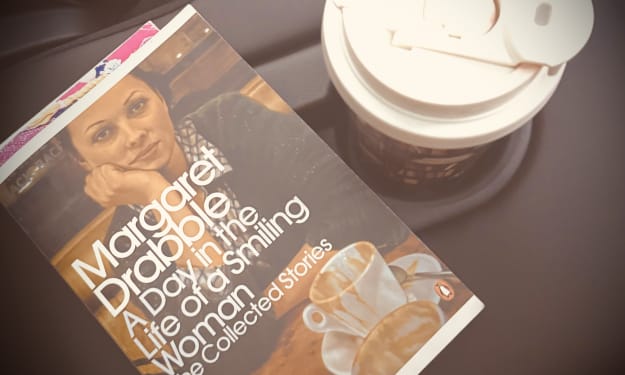
Book Review: "A Day in the Life of a Smiling Woman" by Margaret Drabble
Full Title = A Day in the Life of a Smiling Woman: The Collected Stories by Margaret Drabble "Those who do not love, die, and they are forgotten, and it is of no account. But those who love as I have loved cannot perish. The body may perish, but my love could not cease to exist…"
By Annie Kapur6 days ago in Geeks



Comments
There are no comments for this story
Be the first to respond and start the conversation.