
A Separation (2011) Review
2011 Iranian drama film written and directed by Asghar Farhadi

“A Separation” is a 2011 Iranian film directed by Asghar Farhadi. The movie tells the story of a middle-class couple, Nader (Peyman Moaadi) and Simin (Leila Hatami), who are separating, and the impact that their decision has on their family and their community.
One of the most impressive aspects of “A Separation” is its realistic and nuanced portrayal of the complexities of relationships and human emotions. The movie does an excellent job of showing how even the best intentions can lead to unintended consequences. The characters are all flawed and multi-dimensional, and their actions are often ambiguous, leaving the audience to grapple with the ethical and moral dilemmas presented in the film.
The performances in “A Separation” are outstanding. Moaadi and Hatami give powerful and moving performances as Nader and Simin, respectively. The two actors have a natural chemistry that makes their characters' relationship feel believable and compelling. The supporting cast is equally impressive, with Sareh Bayat giving a standout performance as Razieh, a woman who is hired to care for Nader's elderly father and who becomes embroiled in the family's legal troubles.
The film's cinematography is also noteworthy. The camera work is unobtrusive and understated, allowing the story and the characters to take center stage. The use of natural lighting and the depiction of everyday life in Iran add to the film's realism and authenticity.
Another impressive aspect of “A Separation” is its exploration of Iranian society and culture. The film depicts the complexities and contradictions of life in Iran, where traditional values clash with modern aspirations. The movie also shows the impact of social and economic inequality on the lives of ordinary people. The film is a window into a world that is often misunderstood and misrepresented in the Western media.
The film's themes of justice, truth, and morality are also worth noting. The story is a powerful commentary on the importance of integrity and the consequences of deception. The film shows how difficult it can be to discern the truth in a world where everyone has their own agenda and motivations. The movie also highlights the importance of empathy and understanding in resolving conflicts and finding common ground.
One of the most memorable scenes in the movie is the courtroom scene. The scene is brilliantly executed, with tension building as the case becomes more and more complicated. The scene showcases the incredible talent of the actors and the filmmakers and is a highlight of the movie.
The film's final scenes are both powerful and poignant. The movie ends on a note of ambiguity, leaving the audience to grapple with the ethical and moral implications of the characters' actions. The ending is a testament to the film's ability to leave a lasting impact on its audience.
One of the most interesting aspects of the film is its portrayal of gender roles in Iranian society. Simin, the female lead, is a highly-educated and independent woman who wants to leave Iran in order to provide a better life for her daughter. However, she is unable to do so because her husband, Nader, refuses to leave his elderly father behind. The film shows how Simin's desires clash with traditional Iranian values, where women are expected to prioritize their family over their own ambitions.
In conclusion, “A Separation” is a cinematic masterpiece. Its realistic portrayal of relationships and human emotions, outstanding performances, and exploration of Iranian society and culture make it one of the best films of its genre. The movie's themes of justice, truth, and morality, as well as its exploration of the complexities of human behavior, make it a timeless classic that is as relevant today as it was when it was first released. If you haven't seen “A Separation” yet, do yourself a favor and watch it as soon as possible. You won't be disappointed.
About the Creator
Keep reading
More stories from Nishank Koul and writers in Geeks and other communities.
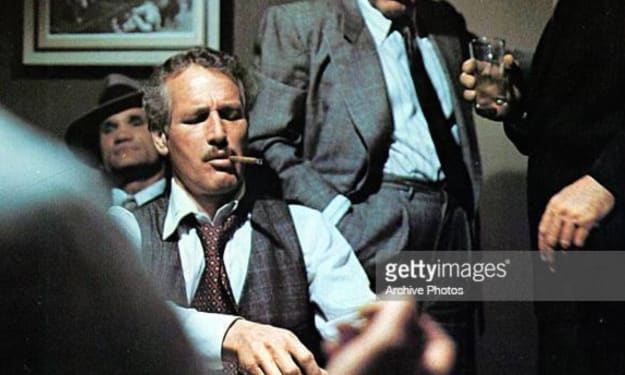
The Sting (1973) Review
“The Sting” is a 1973 American film directed by George Roy Hill and starring Paul Newman and Robert Redford. The movie is set in the 1930s and follows two con artists, Johnny Hooker (Redford) and Henry Gondorff (Newman), as they attempt to pull off a major scam against a notorious gangster named Doyle Lonnegan (Robert Shaw).
By Nishank Koul3 years ago in Geeks
Silver Screen Magic with Mae West
American actress and singer Mae West became a popular film actress during the Great Depression. She started entertaining in vaudeville, then performed on Broadway, and finally went to Hollywood. She signed up with Paramount Pictures and made her debut in the 1932 film “Night After Night.” She also starred in musicals, comedies, and crime dramas. The American Film Institute named her one of the best classic Hollywood actresses.
By Rasma Raisters7 days ago in Geeks
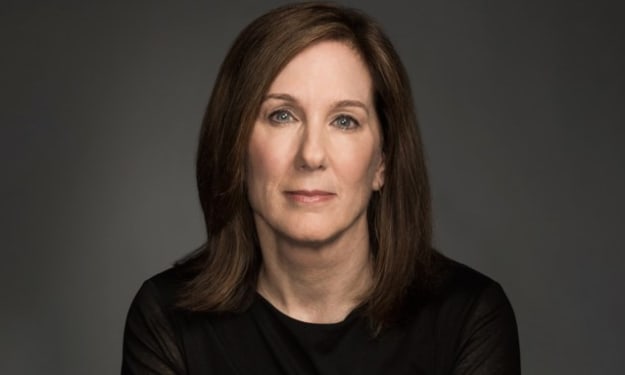
Kathleen Kennedy
Few figures in modern Hollywood have shaped blockbuster storytelling as profoundly as Kathleen Kennedy. With a career spanning over four decades, Kennedy has been instrumental in producing some of the most influential films of all time. From her early collaborations with Steven Spielberg and George Lucas to her leadership role at Lucasfilm, she has become a central figure in contemporary cinema. Today, discussions around Star Wars, creative leadership, and franchise evolution are rarely complete without mentioning Star Wars Kathleen Kennedy. From Storyteller to Studio Leader Kathleen Kennedy’s journey began long before she became president of Lucasfilm. As a producer, she worked on classics such as E.T. the Extra-Terrestrial, Jurassic Park, and Indiana Jones. These projects established her reputation as someone who understood both creative storytelling and large-scale production. This balance would later define her tenure at Lucasfilm. When George Lucas selected Kennedy as his successor in 2012, it marked a turning point. Her appointment wasn’t just symbolic—it signaled continuity and transformation. As Kathleen Kennedy Lucasfilm took shape, she inherited one of the most beloved franchises in history, along with the immense expectations that came with it. Steering Star Wars into a New Era Under Kennedy’s leadership, Star Wars entered a new chapter. The sequel trilogy reignited global interest in the saga, introducing a new generation of fans while reconnecting longtime audiences. Films like The Force Awakens achieved remarkable commercial success, demonstrating Kennedy’s ability to blend nostalgia with contemporary storytelling. However, steering Star Wars was never going to be simple. The franchise carries deep emotional weight for fans, and creative decisions often spark intense debate. Kennedy’s approach emphasized diversity of voices and experimentation, opening the door to new directors, writers, and storytelling styles. This philosophy reshaped how Star Wars stories could be told across film and television. Collaboration with Dave Filoni One of the most significant creative partnerships during Kennedy’s tenure has been with Dave Filoni. Known for his deep understanding of Star Wars lore, Filoni emerged as a key creative force through animated series like The Clone Wars and Rebels. As Dave Filoni Lucasfilm expanded into live-action storytelling, the franchise found a renewed sense of continuity and character-driven narratives. Kennedy’s decision to elevate Filoni was strategic. By pairing her executive vision with Filoni’s lore expertise, Lucasfilm strengthened its creative foundation. Today, Lucasfilm Dave Filoni is often credited with bridging the gap between classic Star Wars themes and modern television storytelling. Their collaboration highlights Kennedy’s leadership style—empowering creatives while maintaining a cohesive vision. Expanding Beyond the Big Screen Another hallmark of Kennedy’s leadership has been expanding Star Wars beyond theatrical releases. Streaming series transformed how audiences engage with the galaxy far, far away. These shows allowed deeper character exploration and long-form storytelling that films couldn’t always provide. Behind the scenes, executives like Lynwen Brennan, Lucasfilm’s Chief Financial Officer, played a crucial role in managing this expansion. While Kennedy focused on creative direction, Brennan helped ensure the studio’s financial sustainability. This balance between creativity and business is often overlooked, yet it’s essential to maintaining a franchise of Star Wars’ scale. Facing Criticism and Cultural Debate No discussion of Kennedy and Star Wars is complete without acknowledging controversy. Creative changes, shifting release schedules, and bold narrative choices have drawn criticism from some fans. Kennedy has often found herself at the center of cultural debates about representation, legacy, and creative ownership. Yet, leadership at this level requires resilience. Kennedy has consistently defended the idea that Star Wars must evolve to remain relevant. Rather than viewing criticism as a failure, she has framed it as part of stewarding a living mythology—one that reflects changing audiences and values. A Legacy Still in Progress What makes Kathleen Kennedy’s story compelling is that it’s still unfolding. Unlike many producers whose legacies are defined in retrospect, Kennedy continues to shape one of the most influential franchises in real time. Her impact isn’t limited to box office numbers; it’s reflected in how Star Wars exists across generations, platforms, and cultures. Her leadership has also paved the way for broader conversations about women in Hollywood power roles. In an industry historically dominated by men, Kennedy’s success challenges outdated norms. She has demonstrated that creative authority and executive leadership can coexist without compromise. Looking Ahead As Lucasfilm looks to the future, the foundation Kennedy built remains central. New films, evolving series, and emerging storytellers all operate within a framework she helped establish. With creative figures like Dave Filoni continuing to grow in influence and executives like Lynwen Brennan supporting the studio’s structure, Lucasfilm is positioned for long-term storytelling. Kathleen Kennedy may not always be a visible presence on screen, but her influence is embedded in every frame of modern Star Wars. Whether praised or criticized, her role as a steward of one of cinema’s greatest legacies is undeniable. In the end, Kathleen Kennedy’s career is a reminder that storytelling isn’t just about heroes and villains—it’s also about the leaders behind the scenes who shape the worlds we escape into. And in that sense, her impact on Star Wars will be felt for years to come.
By Saboor Brohi 4 days ago in Geeks
Smart phones, Humans and Aliens.
WARNING. I will be tapping into one of your favorite creative tensions: The absurdity of humans worshipping their glowing rectangles as if they were tiny oracles. There’s something deliciously poetic about that contradiction, and it lends itself beautifully to an instructive proviso.
By Novel Allen4 days ago in Poets


Comments
There are no comments for this story
Be the first to respond and start the conversation.