
A Look at the "Seely Six"
Reviewing the six Looney Tunes shorts featuring stock music composed by John Seely

Fans, enthusiasts, and experts of everything Looney Tunes know that during the classic era, the cartoons had three main composers: Carl Stalling, Milt Franklyn, and Bill Lava. However, there is a fourth composer that definitely needs to be talked about. Very few Looney Tunes shorts used his music, but they stood out for a number of reasons. This latest Looney Tunes story centers on the fourth composer in their history: John Seely.
The year was 1958, and something crazy happened: a musician's strike. At the time, Milt Franklyn was the main composer, and he and other musicians went on strike that year. As a result, Warner Bros. had to use the stock music composed by John Seely, and if Seely's music sounds familiar, it should. It's been used quite a bit on episodes of Gumby, and Hanna-Barbera fans definitely recognize Seely's music from their early cartoons released that same year. In all, only six Looney Tunes shorts used Seely's music, and they all stood out so very well.
So without further ado, here's a look at the famous "Seely Six":
Weasel While You Work
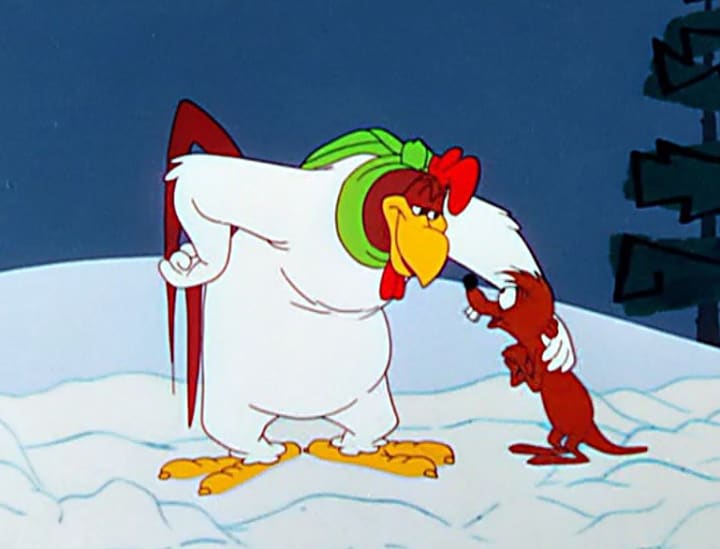
The first of the "Seely Six," is actually my favorite out of the group. Weasel While You Work was released on August 6, 1958, and while it's one of Foghorn Leghorn's many shorts, it's the only one in the group that takes place in a winter setting. Even the snow doesn't stop Foggy from messing with the Barnyard Dawg, and vice versa, and it also doesn't stop the Weasel (in his third and final appearance) from attempting to pursue a potential chicken dinner. I absolutely love this short, it's one of the main reasons why I bought the Foghorn Leghorn and Friends DVD, because that short is one of many awesome classics featured on the disc.
A Bird in a Bonnet
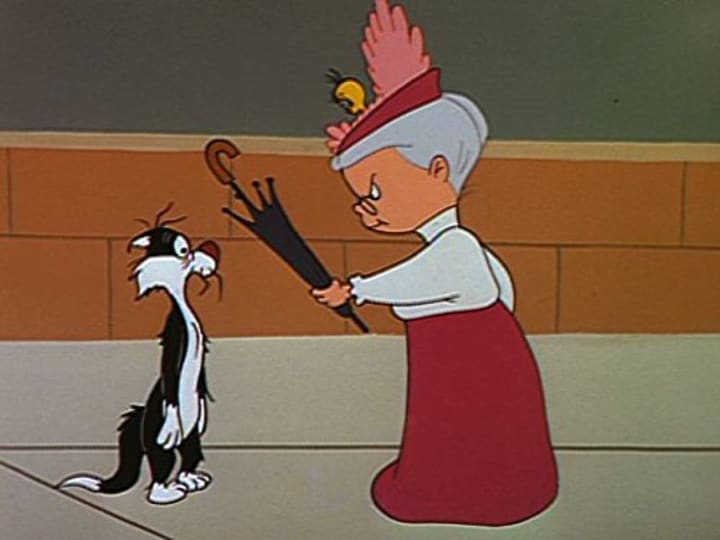
A Bird in a Bonnet was released on September 27, 1958, and is the only one of the "Seely Six" shorts that Friz Freleng directed. We see Granny shopping for a new hat, all the while, Sylvester chases Tweety, who lands in Granny's new hat. Chaos and hilarity follow. Other than Mel Blanc, the voice cast also includes June Foray as Granny and the saleswoman, and Daws Butler voiced a satirical version of Ed Norton, as Warner Bros. loved homaging The Honeymooners. IMO, this short doesn't really compare with the other five in the collection, but it did have its moments. Freleng was doing fine, though. After all, his previous Looney Tunes short before this one? Won an Oscar.
Hook, Line, and Stinker
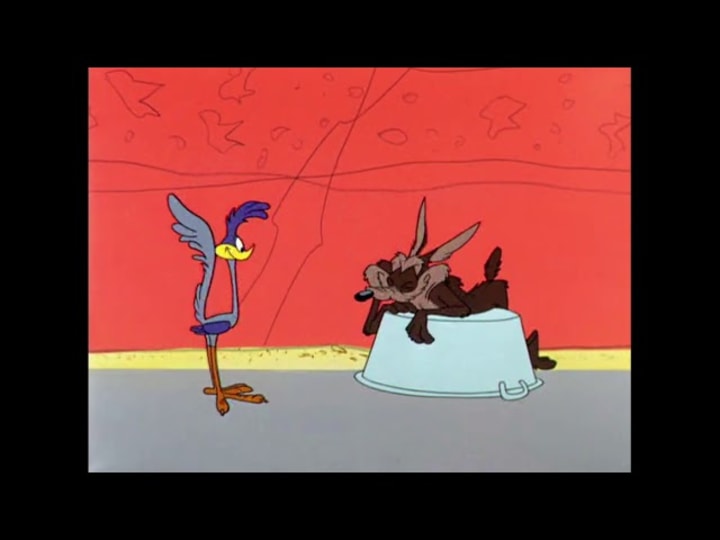
A couple of weeks later, Hook, Line, and Stinker (the third "Seely Six" short) was released on October 11, 1958, and was the first of two such shorts to feature Wile E. Coyote and the Road Runner. I remember the first time I saw this attentively, I went, "The music sounds weird." At the time, I thought they were experimenting with something, but I would later learn the reason for the music years later. It was quite a short featuring this pair; and the Seely music really helped set the tone for the entire short.
Pre-Hysterical Hare
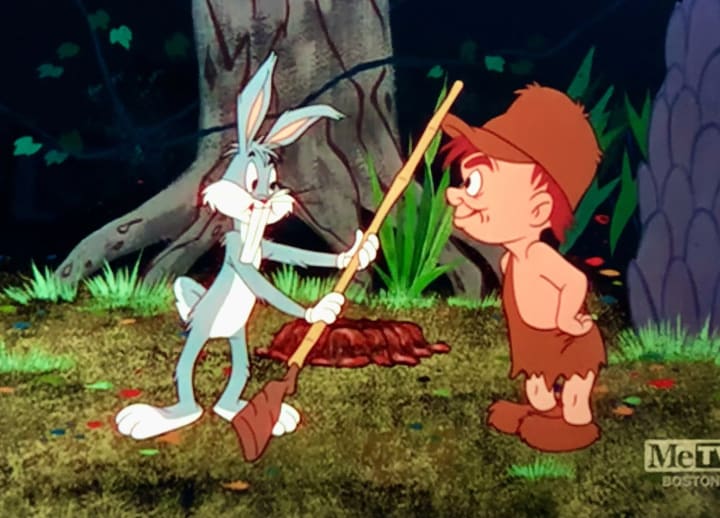
Even Bugs Bunny was part of the experience of working to Seely's music. The fourth "Seely Six" short, Pre-Hysterical Hare, was released on November 1, 1958, and it features Bugs pursued by Elmer Fudd. "Someday, they'll outlaw this annual madness known as rabbit season," Bugs frets before he falls into what's revealed as a prehistoric cave. He finds a video reel and plays it, and it's revealed to be footage of prehistoric times, with an ancient saber-toothed rabbit being hunted by a caveman Fudd, who is easy outsmarted. "Those smart hunters were never a match for us dumb rabbits," Bugs boasts. A fun fact: this was one of two Elmer Fudd cartoons released during Arthur Q. Bryan's lifetime, that Bryan did not voice the character. In this short, Dave Barry voiced Fudd. The only other such short was The Scarlet Pimpernel, which saw Fudd's one line provided by Mel Blanc.
Gopher Broke
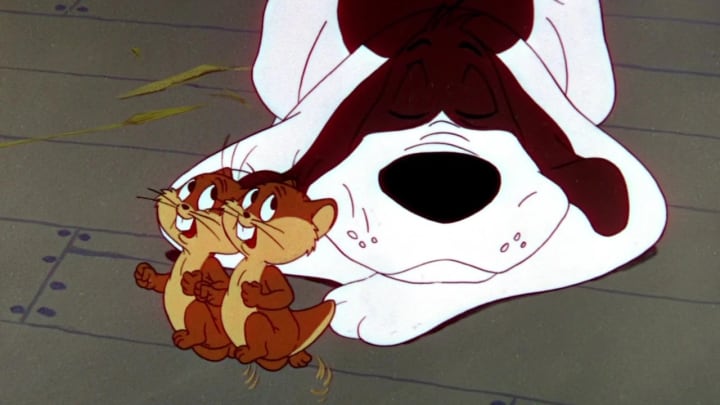
Gopher Broke, the fifth "Seely Six" short, was released on November 15, 1958, and this short features the Goofy Gophers looking to take some vegetables, only for them to be poached. Their quest to regain the vegetables is thwarted when they see the Barnyard Dawg, so the gophers do the only logical thing: they drive the dog to have a mental breakdown. The short does feature my favorite piece from the Seely music collection, which has also been used on Quick Draw McGraw cartoons. This is also the second "Seely Six" appearance of the Barnyard Dawg, and this cartoon is also on the Foghorn Leghorn & Friends DVD.
Hip-Hip-Hurry!
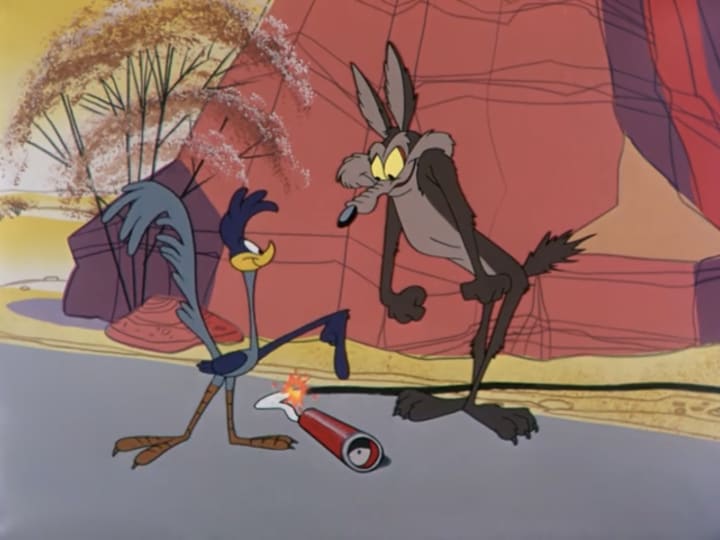
Finally, Hip-Hip-Hurry!, the last of the "Seely Six," was released on December 6, 1958, and this (IMO) was the funnier of the two Coyote and Road Runner shorts in this collection. For one, the Seely music was a bit better, and secondly, the gags were funnier, especially Wile using a mouse to test that high-speed potion. Also, Wile's attempt to light a stick of dynamite was hilarious--especially when the matches are flare up in his face. This was quite the short, and is one of my favorites from the Coyote/Road Runner collection.
* * *
The strike came to an end after that short, and Milt Franklyn was back to work composing Looney Tunes' music up until his passing in 1962. The "Seely Six" was an amazing group of shorts; I love all of them, and the Seely music really gelled with the actions that took place in the shorts. Honestly, they're quite underrated, but they are absolutely fantastic; each one hilarious and spectacular in their own way.
About the Creator
Clyde E. Dawkins
I'm a big sports fan, especially hockey, and I've been a fan of villainesses since I was eight! My favorite shows are The Simpsons and Family Guy, etc.
Keep reading
More stories from Clyde E. Dawkins and writers in Geeks and other communities.
"Person to Bunny": How a Looney Tunes Short Plays a Role in Today's Society
So while I was watching Looney Tunes on MeTV Toons (I love that channel so much), a certain short popped up on the two-hour block. Today's generation knows the one I'm talking about: Person to Bunny. Before I talk about the trivial facts, which include a certain part of the short, let's dive in to this.
By Clyde E. Dawkins11 months ago in Geeks
Book Review: "Human Monsters: A Horror Anthology" by Various Authors
Yes, it's horror again. I'm feeling kind of down and whenever I'm down I read horror because it makes me feel better. Have you heard about that study that states people who are in depression should watch and read horror in order to make themselves feel better? Yeah, I checked it out some time ago - you should too. Human Monsters is exactly what you think it is, it is about monsters who are human - those who lurk in the normal world, not in the shadows, not in the darkness - they stand right in front of us. They are us. Let's go through my favourite stories in the anthology...
By Annie Kapur29 days ago in Geeks
Affection and Healing for Yourself
During the night of the last quarter moon, I gathered my ritual supplies. I carefully handled the chunk of black tourmaline that would protect me from your overall negative and narcissistic energy. I carefully walked the house with my stick of selenite in hand, asking the universe to cleanse our working space.
By Alisha Wilkins ✒️🦋🖋️2 days ago in Fiction


Comments
There are no comments for this story
Be the first to respond and start the conversation.