
A Filmmaker's Review: "Edvard Munch" (1974)
5/5 - Experimental biopic at its greatest...

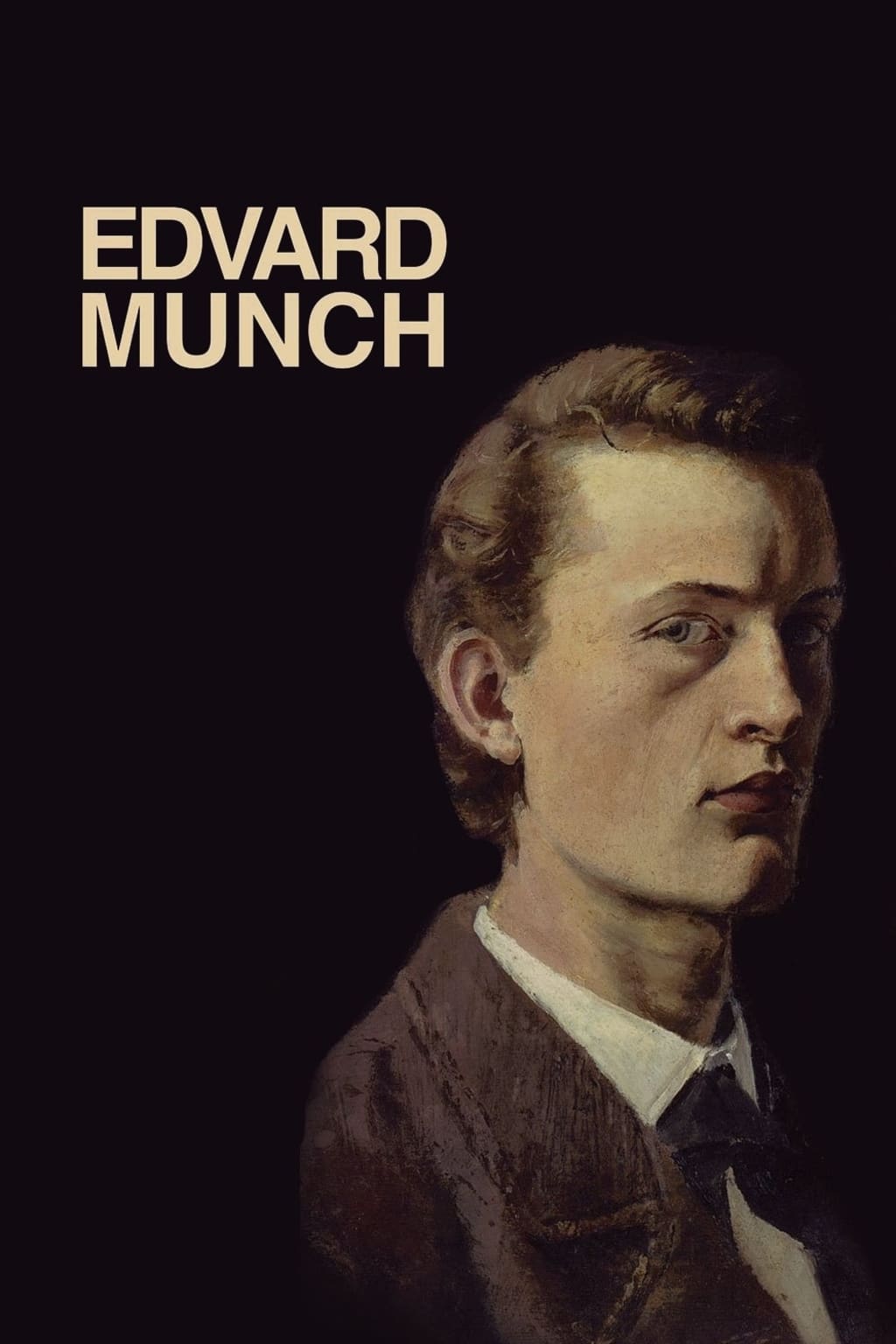
This film is probably one of the best biopics I have ever seen because there are no massive actors involved, there seems to be no real structure apart from the basis of the chronological story. Directed by Peter Watkins, this movie makes a genuine effort to blend together Munch's style, his life and his mental instability. It seems like the director is not just trying to tell us a story of his life, but a story of how he fit into and ultimately did not fit into his time. The director tells us in various interview snippets that not only did the Edvard Munch expert not like the idea of making a film about the personal side of Munch for the public to see, having some worry about his reputation - but there is also a danger in calling the film a 'documentary' - which, understandably, it is not.
The film is not a documentary not because of its content, but because of its style. The way in which the film is made via re-enactments and commentary throughout the narrative creates this almost impulsive biopic, complete with the various requirements for things such as interviews and these scenes of several seconds where people just stare into the camera, mainly Edvard Munch himself.
Another thing that I found quite brilliant about this movie is the way in which it uses the present of the time. The filmmaker calls this 'documentary reality' in which events and storytelling are used to make it seem as though the events that are happening in the film are happening in the present rather than the past. This experimental way of creating a biopic had not really been explored that much until this time.
As I have said, I enjoyed the fact that the cast was unknown. The fact was that none of the people who starred in the movie were actually professional actors of any kind and only a few had some acting experience on stage at all. Peter Watkins actually went out of his way to sift through over six-hundred people in order to find someone who looked just like Edvard Munch. And the guy he found was not only brilliant, but has an uncanny resemblance to the painter.
At just over three and a half hours, this film comes in two parts and in my understanding of watching this film a few times, it should be viewed one part at a time. There is something completely different about the two parts with the first focusing on the build up of Munch's career as a painter and the second being the breakdown both professionally and mentally. It is a surreal experience to watch them both, but I do think that they should be watched separately in order to be understood entirely.
As a conclusion, I do not really want to give away too much of the film’s incredible experimental techniques. But I do want to say how much I enjoyed these scenes where nobody is doing anything. People are looking sombre, things are not moving and it is almost like a painting. It reminds me of when I first watched the movie “Caravaggio” (1986) by Derek Jarman and that scene where they re-enact the entombment. Edvard Munch by Peter Watkins contains many different scenes in which real life looks like the paintings that this man painted far before his mental distress got the better of him. All in all, the film is a beautiful portrayal of his time, his country and his art - making great references to the biggest moments in his career and giving notice where notice is due to paintings such as “The Scream”.
About the Creator
Annie Kapur
I am:
🙋🏽♀️ Annie
📚 Avid Reader
📝 Reviewer and Commentator
🎓 Post-Grad Millennial (M.A)
***
I have:
📖 300K+ reads on Vocal
🫶🏼 Love for reading & research
🦋/X @AnnieWithBooks
***
🏡 UK
Keep reading
More stories from Annie Kapur and writers in Geeks and other communities.
Book Review: "The Memorial" by Christopher Isherwood
An early work of Christopher Isherwood, author of "Goodbye to Berlin" and "A Single Man" that is normally regarded as flawed and imperfect is "The Memorial". Honestly, I have to say that I do not know why people regard this work as flawed or a bit off - only really because it is not up to the Isherwood standard that we hold him to today.
By Annie Kapur5 years ago in Geeks
A Knight of the Seven Kingdoms Series Review (Season 1)
As one of the biggest properties in fantasy, A Song of Ice and Fire remains immensely popular with audiences. After reaching far into the past with House of the Dragon, a second spin-off was on the cards. A Knight of the Seven Kingdoms serves up a bite-sized slice of action and drama, but it still claims a spot among the best small-screen titles.
By Robert Cain15 days ago in Geeks
REVIEW - The Redemption of Faust (Directed by Genel Mejia)
The Redemption of Faust, written by Justin Suran (Muse, Visitors, The Screenplay) and Genel Mejia (Visitors, The Screenplay, The Experiment, Normal, Splash Damage, La Mejia, Muse), and also produced and directed by Mejia, is a short film which takes its name from the famous 19th century work 'Faust' by Johann Wolfgang von Goethe.
By MegaFlix Movie Awards5 days ago in Geeks
Writing To Succeed
If you want to find something that will help readers find your writing, possibly expand your audience, and maybe even get you noticed for other things, then you’re not alone. But how can you get it done in a world full of want-to-be writers? Look less at what you’re writing now, and more at what other writers have used to boost their views and reads.
By Jason Ray Morton 6 days ago in Writers



Comments
There are no comments for this story
Be the first to respond and start the conversation.