
A Filmmaker's Guide to: F.W Murnau
Film Studies (Pt.113)

In this chapter of ‘the filmmaker’s guide’ we’re actually going to be learning about literature and film together. I understand that many of you are sitting in university during difficult times and finding it increasingly hard to study and I understand that many of you who are not at university or not planning on it are possibly stuck of what to do, need a break or even need to catch up on learning film before you get to the next level. This guide will be brief but will also contain: new vocabulary, concepts and theories, films to watch and we will be exploring something taboo until now in the ‘filmmaker’s guide’ - academia (abyss opens). Each article will explore a different concept of film, philosophy, literature or bibliography/filmography etc. in order to give you something new to learn each time we see each other. You can use some of the words amongst family and friends to sound clever or you can get back to me (email in bio) and tell me how you’re doing. So, strap in and prepare for the filmmaker’s guide to film studies because it is going to be one wild ride.
F.W Murnau
Who was he?
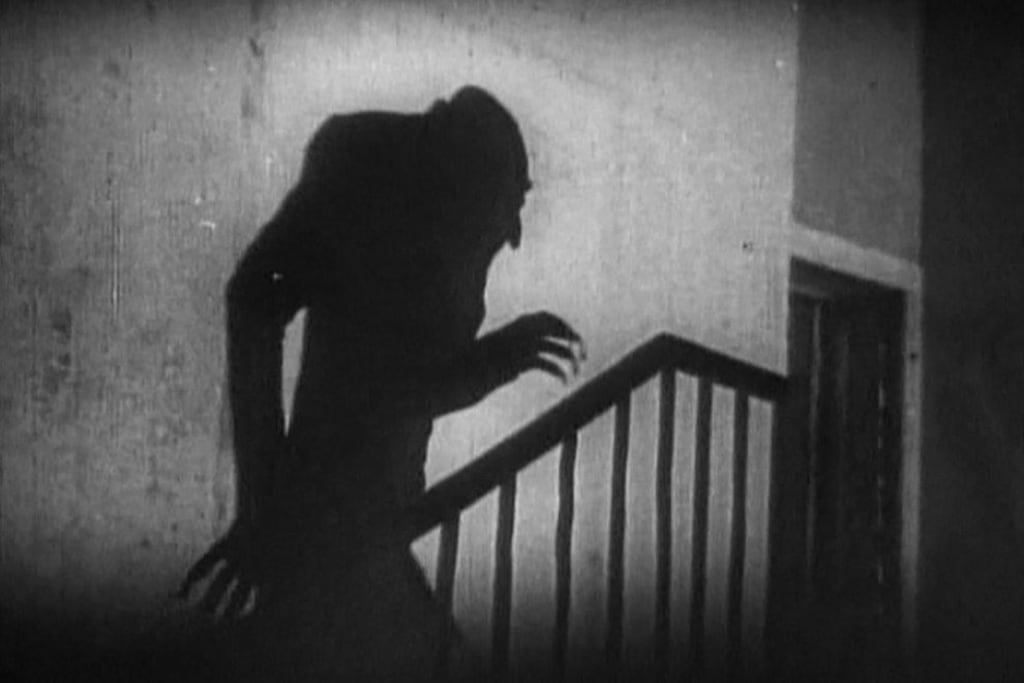
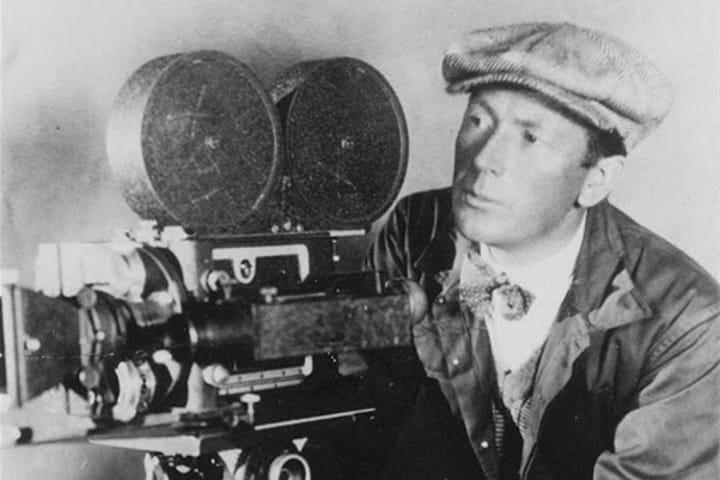
A film director of early German cinema, F.W Murnau is considered a pioneer of more than just the horror genre. Born in 1888 in Prussia, F.W Murnau became one of the most recognised filmmakers in the western world through his efforts at depicting some incredible stories on the screen. Apart from his most famous work, "Nosferatu" (1922), F.W Murnau also directed other films; thrillers, noirs and even comedies. One thing I have always noticed about his works is that there seems to be some sort of satirical quality to them, whether I am watching an early classic or a later film towards the end of his career.
Even though he was technically only active as a director for around twelve years (from 1919 through to 1931), he still managed to have a massive impact on not only the way in which film is directed but also the way in which we use film to tell stories. Followed by the likes of Fritz Lang, F.W Murnau paved the way for some of the most incredibly dark films to come out of the next fifty years.
Whilst in a car that was being driven by a fourteen-year-old servant, the car crashed and Murnau sustained a head injury which claimed his life the very next day - this was only a short time before the premiere of his final film and he was only 42 years' old.
Throughout Murnau's career, there were many films that he was possibly most famous for and many films that are now, unfortunately, lost. But one thing that we can count on is that the films that we do have are amazing and this man practically invented German Expressionism in all of its dream-like quality, its edge and its blending of genres such as noir, fantasy, romance and horror.
Some of the films by Murnau that I personally appreciate the most come from in and around his formation of “Nosferatu” (1922) and contain more than one style that was signature to this director. These films include but are definitely not limited to:
- The Haunted Castle (1921)
- Phantom (1922)
- The Last Laugh (1924)
- Tartuffe (1925)
- Faust (1926)
If you enjoyed watching "Nosferatu" (1922) and have yet to try some more F.W Murnau films then I will make the suggestion of "Faust" (1926) because it is an amazing film that not only can be picked up with many different scores but the storyline, the storytelling and the entire film is perfectly presented. It is a masterpiece.
About the Creator
Annie Kapur
I am:
🙋🏽♀️ Annie
📚 Avid Reader
📝 Reviewer and Commentator
🎓 Post-Grad Millennial (M.A)
***
I have:
📖 280K+ reads on Vocal
🫶🏼 Love for reading & research
🦋/X @AnnieWithBooks
***
🏡 UK
Keep reading
More stories from Annie Kapur and writers in Geeks and other communities.
A Filmmaker's Guide to: Dr. Mabuse
In this chapter of ‘the filmmaker’s guide’ we’re actually going to be learning about literature and film together. I understand that many of you are sitting in university during difficult times and finding it increasingly hard to study and I understand that many of you who are not at university or not planning on it are possibly stuck of what to do, need a break or even need to catch up on learning film before you get to the next level. This guide will be brief but will also contain: new vocabulary, concepts and theories, films to watch and we will be exploring something taboo until now in the ‘filmmaker’s guide’ - academia (abyss opens). Each article will explore a different concept of film, philosophy, literature or bibliography/filmography etc. in order to give you something new to learn each time we see each other. You can use some of the words amongst family and friends to sound clever or you can get back to me (email in bio) and tell me how you’re doing. So, strap in and prepare for the filmmaker’s guide to film studies because it is going to be one wild ride.
By Annie Kapur5 years ago in Geeks
Silver Screen Magic with Mae West
American actress and singer Mae West became a popular film actress during the Great Depression. She started entertaining in vaudeville, then performed on Broadway, and finally went to Hollywood. She signed up with Paramount Pictures and made her debut in the 1932 film “Night After Night.” She also starred in musicals, comedies, and crime dramas. The American Film Institute named her one of the best classic Hollywood actresses.
By Rasma Raisters6 days ago in Geeks
The Jennifer Lopez movie nobody wanted to be in: “I don’t want to force anyone”
It must be quite strange to be as famous as Jennifer Lopez. She is in the echelon of celebrities in which there is basically not really a person on the planet who doesn’t know who you are, or has at least heard of you, and that must come with issues on a daily basis, I’d imagine. It’s probably not a surprise, then, that she tends only to fraternise with other famous people.
By Dena Falken Esq4 days ago in Geeks


Comments
There are no comments for this story
Be the first to respond and start the conversation.