
A Filmmaker's Guide to: Domestic Tragedy
Film Studies (Pt.4)

In this chapter of ‘the filmmaker’s guide’ we’re actually going to be learning about literature and film together. I understand that many of you are sitting in university during difficult times and finding it increasingly hard to study and I understand that many of you who are not at university or not planning on it are possibly stuck of what to do, need a break or even need to catch up on learning film before you get to the next level. This guide will be brief but will also contain: new vocabulary, concepts and theories, films to watch and we will be exploring something taboo until now in the ‘filmmaker’s guide’ - academia (abyss opens). Each article will explore a different concept of film, philosophy, literature or bibliography/filmography etc. in order to give you something new to learn each time we see each other. You can use some of the words amongst family and friends to sound clever or you can get back to me (email in bio) and tell me how you’re doing. So, strap in and prepare for the filmmaker’s guide to film studies because it is going to be one wild ride.
Domestic Tragedy
What is a 'domestic tragedy'?
A tragedy that happens within a situation of the home, including people within the construct of the home (whether that be a group of friends who live together or a family of people) and has something to do with the way in which the home is constructed. This can include anything from infidelity of a partner, the death of a family member or even the relationship strains of parents and their children. It is something that causes this construct to be disrupted somehow. The measure of the tragedy is really up to the viewer and the atmosphere provided by the book/film.
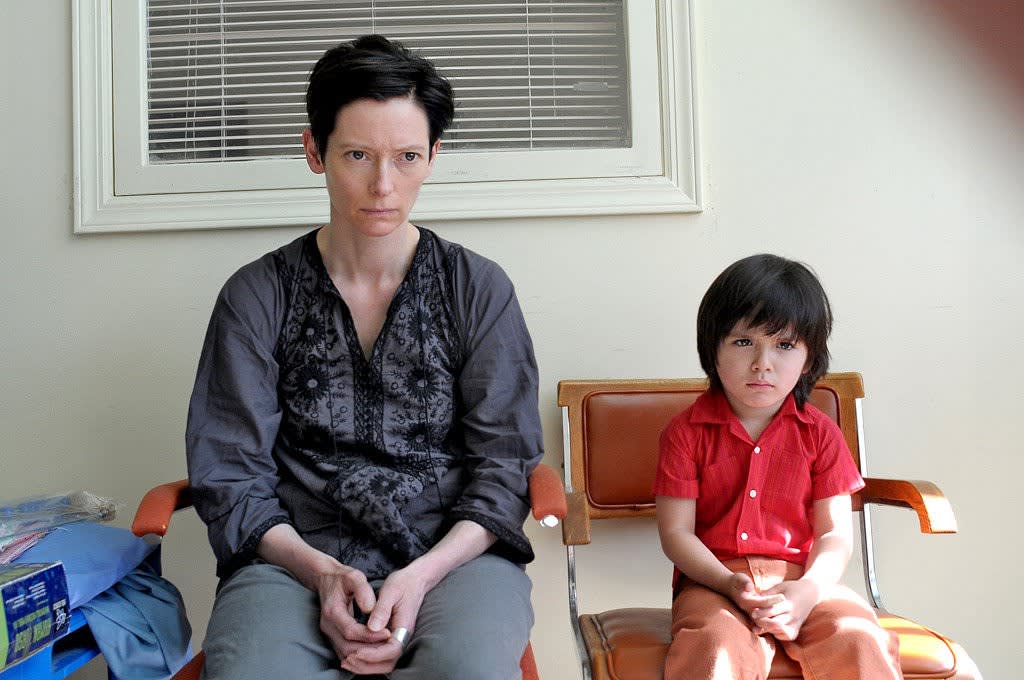
Domestic Tragedy was popularised by the theatre industry with the one that pops into my mind being "Arden of Faversham" which is supposedly by Shakespeare but we don't really know. It involves a murder within the domestic setting between two partners, one of which is accused of betraying the other. This tragedy was something considered to be quite frightening in the day of the British Renaissance, but to us today would be something that is less frightening than something like the domestic tragedy film "We Need to Talk About Kevin" based on the novel by Lionel Shriver.
What about in film?

In film, we look normally to domestic thriller in our own modern time such as the one we previously alluded to: "We Need to Talk About Kevin" (2011). There is obviously a watchlist for domestic tragedy and the main thing you will need to think about is this question:
How are the events of the film concerning the 'tragic' influenced by the situation/tension within the household of the narrative?
The watchlist includes the following films that are each a part of the domestic tragedy sub-genre in different ways, but are definitely not limited to them:
- "Rebecca" (1940)
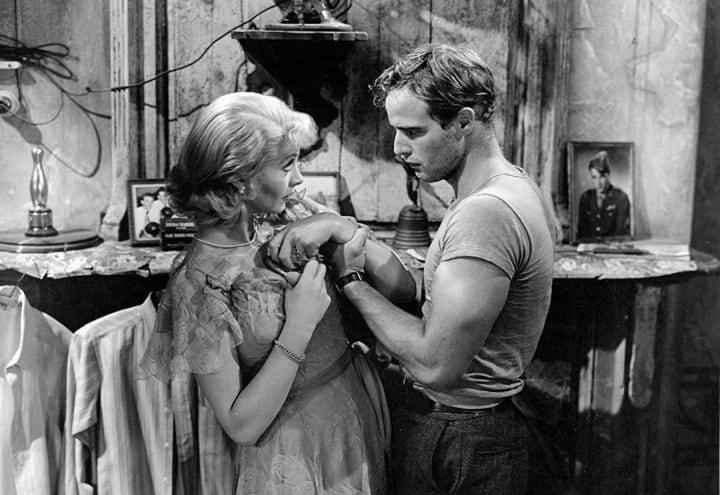
- "A Streetcar Named Desire" (1951)
- "The Bad Seed" (1956)
- "Dr. Zhivago" (1965)
- "The Shining" (1980)
- "The Talented Mr. Ripley" (1999)
- "The Pianist" (2002)
- "I Am the Pretty Thing That Lives in the House" (2016)
- "Get Out" (2017)
The Domestic Tragedy is always one of the go-to sub-genres for a narrative involving a set of close set friends or a family. In films like Ari Aster's "Hereditary", he deals with a family tragedy from the beginning, establishing layers of tragedy as the story develops. In his movie "Midsommar" he does the same thing but within a situation of close friends. It is all about taking the central character out of their comfort zone after the tragedy and into a situation in which the choices they make will possibly determine the rest of their life and the life and death of those around them. Not only is this an overwhelming character project to embark upon, but it also depends deeply on our impulsive psychology - do we save someone else or ourselves?

In morality dramas like "The Pianist" (2002), you will find that the domestic tragedy has an ethical message in which characters will look after each other even if it is only emotionally. This, although opposite to impulse, is often more empathetic and recognised with the viewer because now, we know exactly who the archetypal 'hero' is - the one who goes around saving everyone else and laying their life down.
However, it will be the movies without this morality filter like "Hereditary" by Ari Aster will be more widely watched because of their lack of empathy and their touch on our more animalistic side to save our own selves first. Therefore, we are completely unaware who the real protagonist is until the end of the film and even then, we are left out of touch because of the lack of empathy provided to us. This is called the 'uncanny'. Something that touches on animal impulses within our psyche but fails to provide us with an empathetic, ethical and morality filter in which we can justify it.
Yes, the domestic tragedy is really that deep.
Further reading:
- Anon. (2007). Arden of Faversham. UK: New Mermaids.
- Love, J (2016). Nietzsche and Dostoevsky: Philosophy, Morality, Tragedy . USA: Northwestern University Press.
- Nevitt, M. Pollard, T. (2019). Reader in Tragedy: An Anthology of Classical Criticism to Contemporary Theory. UK: Methuen Drama
- Palmer, D (2018). Visions of Tragedy in Modern American Drama. USA: Bloomsbury Methuen Drama.
- Poole, A (2005). Tragedy: A Very Short Introduction. UK: Oxford University Press.
- Shriver, L (2010). We Need to Talk About Kevin. USA: Serpent's Tail.
- Sturgess, K (2012). Three Elizabethan Domestic Tragedies: Arden of Faversham; a Yorkshire Tragedy; a Woman Killed with Kindness. UK: Penguin Classics .
About the Creator
Annie Kapur
I am:
🙋🏽♀️ Annie
📚 Avid Reader
📝 Reviewer and Commentator
🎓 Post-Grad Millennial (M.A)
***
I have:
📖 300K+ reads on Vocal
🫶🏼 Love for reading & research
🦋/X @AnnieWithBooks
***
🏡 UK
Keep reading
More stories from Annie Kapur and writers in Geeks and other communities.
A Filmmaker's Guide to: Connotation
In this chapter of ‘the filmmaker’s guide’ we’re actually going to be learning about literature and film together. I understand that many of you are sitting in university during difficult times and finding it increasingly hard to study and I understand that many of you who are not at university or not planning on it are possibly stuck of what to do, need a break or even need to catch up on learning film before you get to the next level. This guide will be brief but will also contain: new vocabulary, concepts and theories, films to watch and we will be exploring something taboo until now in the ‘filmmaker’s guide’ - academia (abyss opens). Each article will explore a different concept of film, philosophy, literature or bibliography/filmography etc. in order to give you something new to learn each time we see each other. You can use some of the words amongst family and friends to sound clever or you can get back to me (email in bio) and tell me how you’re doing. So, strap in and prepare for the filmmaker’s guide to film studies because it is going to be one wild ride.
By Annie Kapur5 years ago in Geeks
A Knight of the Seven Kingdoms Series Review (Season 1)
As one of the biggest properties in fantasy, A Song of Ice and Fire remains immensely popular with audiences. After reaching far into the past with House of the Dragon, a second spin-off was on the cards. A Knight of the Seven Kingdoms serves up a bite-sized slice of action and drama, but it still claims a spot among the best small-screen titles.
By Robert Cain15 days ago in Geeks
Naruto Power Rankings
Few anime series feature a cast as massive and as powerful as Naruto and its sequel Naruto: Shippuden. Across hundreds of episodes, the series introduces dozens of shinobi with wildly different fighting styles, abilities, and levels of power. From tactical geniuses and elite jonin to god-like beings capable of altering entire dimensions, the Naruto universe constantly escalates the scale of its battles.
By Top Ranked5 days ago in Geeks


Comments
There are no comments for this story
Be the first to respond and start the conversation.