


Can we talk about audiobooks for a bit? Thanks.
Audiobooks are often considered "not reading" and honestly, I thought that this was true until I started to go partially blind and had to be more selective of my paperbacks, making sure the font and text size was good enough for me to see. (Not necessarily big enough, but at least printed in a font that I could see easily). I have been experimenting with audiobooks because I don't really listen to audiobooks of books I haven't read. I like listening to my favourite books via audiobook such as: "The Picture of Dorian Gray", "The Brothers Karamazov", "Anna Karenina", "War and Peace", "Jane Eyre" and "Moby-Dick".
But, I have been now trying to listen to books I have yet to read. This has been quite a different experience for me because I need to pay attention, often I doze off and then I rewind all the way back to the beginning and listen all over, but it is definitely something I need to get used to. I want to be able to listen to audiobooks because let us face it, my retinal damage isn't getting any better and, god forbid, if I do actually go completely blind - I would still like to have books with me and this seems like a good way to do so.
Over the coming years, I'm going to be collecting my favourite audiobooks and trying out new and exciting ones (and then reading the actual books so they don't feel left out!). Hopefully, we can all get along before push really does come to shove. We all have to learn to adapt eventually. This is more like a 'if it does happen...' rather than 'I'm prepping for the worst...'.
Thanks for reading that.
Now, without further introduction - let us cover numbers 641 through to 660.
641. War and The Iliad by Simone Weil and Rachel Bespaloff

Honestly, this is one of the best critical books I've read this year. I love "The Iliad" and "The Odyssey" and this book asks all the important questions such as why Odysseus is there at all since the war has little connection to him, whilst answering what impact this war will have on the human soul in terms of torture, violence and loss. From an entire chapter focusing on the death of Hector to a whole section on Priam and Achilles breaking bread, this book was honestly an amazing eye-opening read for a fan of Homer's Poetry.
642. The Draining Lake by Arnaldur Indriðason
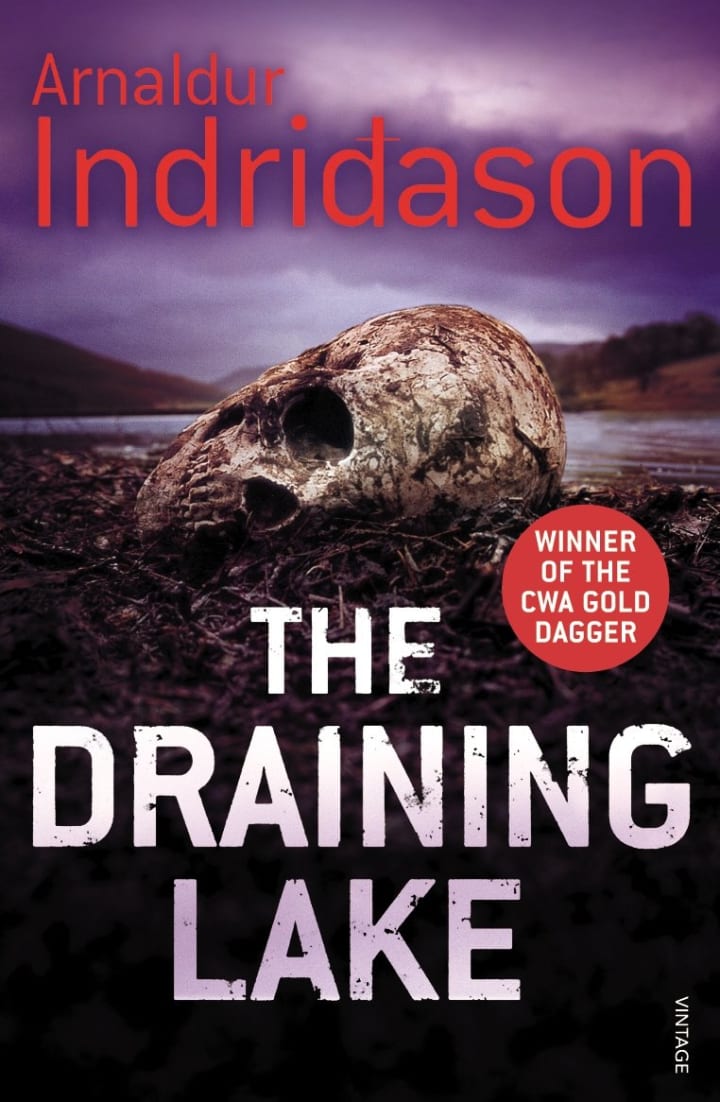
This is the fourth book in the series I've started reading and honestly, this wasn't the best one, but also wasn't actually that bad. I thought I knew what the ending was a few chapters before it actually happened but because there was so much plot and story, I got lost in the detective's own story of his relationship with his estranged and wayward daughter. However, the plot of the crime itself was very interesting as it concerned the cold war and the rest of Europe, it takes a step outside Iceland and confronts the bigger picture. I really feel like the next books are going to be bigger than the first four as it looks like it is expanding.
643. Mozart’s Journey of Prague and a Selection of Poems by Eduard Morike
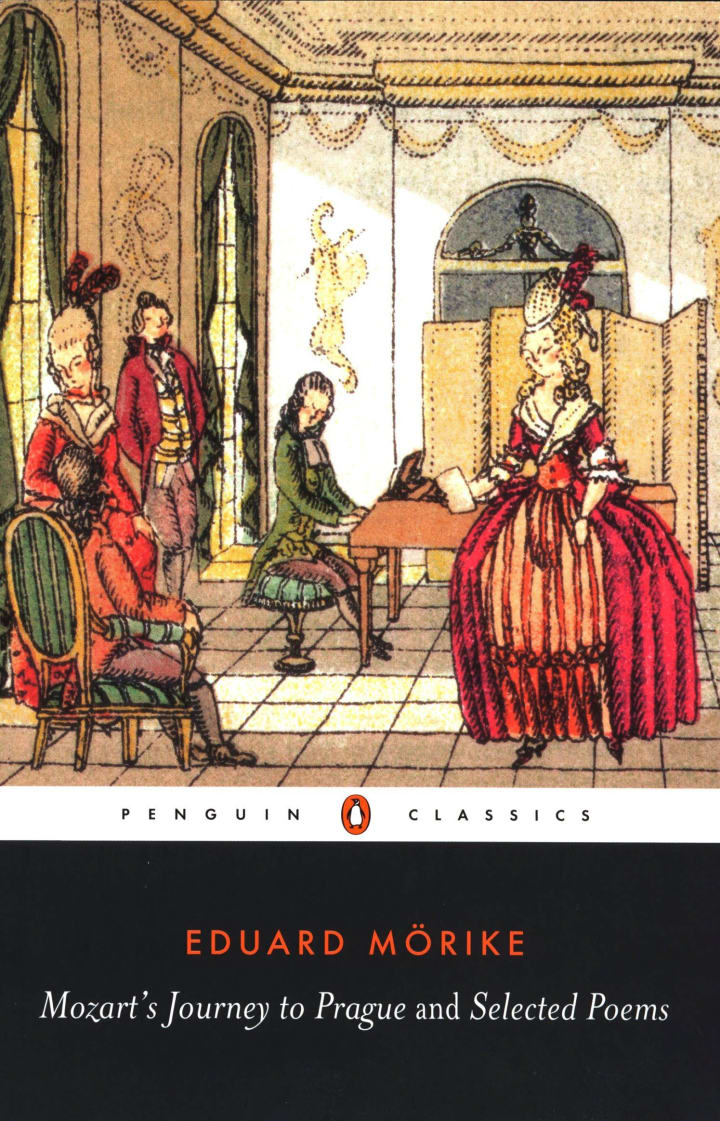
This book was fairly exciting and it was on my TBR for a while. The first part is about a fictionalised account of Mozart going to perform in Prague which makes it a weird mix of a travel narrative and Amadeus by Peter Schaffer, yes you read that correctly. The second part is a series of great poems touching on the weather, nature and the reasonings behind life and death. I thoroughly enjoyed this so much that I was glad I waited before I read it. I feel like I read it at the right time.
644. Basti by Intizar Hussain
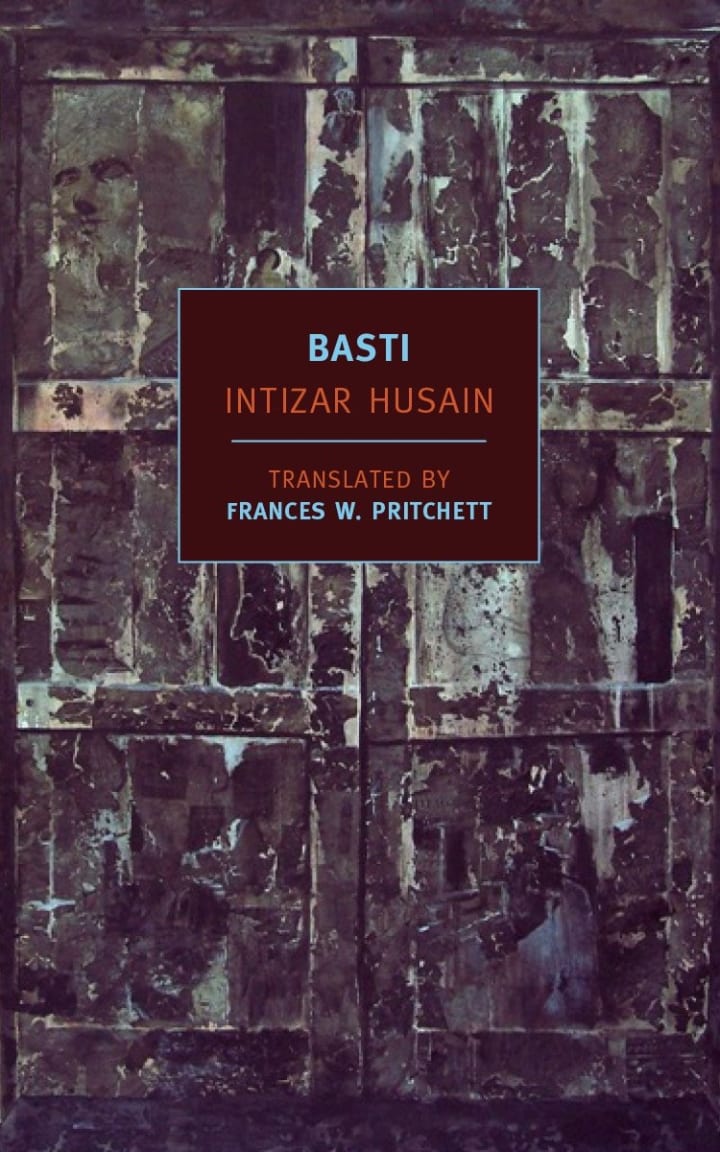
This is possibly one of the greatest pieces of Pakistani Literature that I have ever read. With a great Muslim feel to it, it connects us to the times of war and separation, identity and a crisis so great that even though everyone is together, there is an empty, lonely and unfortunate feeling of depression that runs throughout. There is a great story underneath this and the emotions are so incredibly thorough, it's a grand supernatural experience that is almost magic in its ability to explain the connections between religious experience and the requirement for it in times of great need.
645. Skylark by Dezso Kosztolanyi
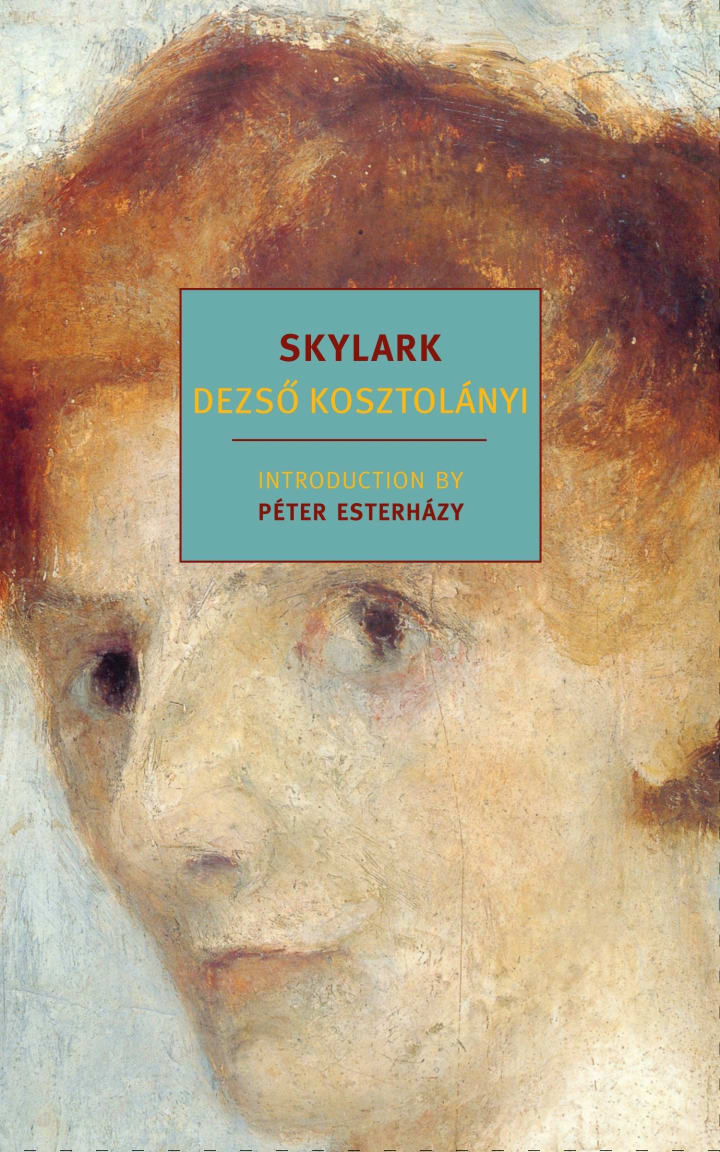
This book was amazing. It's about a girl called Skylark who has parents who believe she is too ugly to get married so she sits at home and does the sewing and cleaning. Her parents depend upon her and when she leaves for a week, they regain the passion in their lives, connecting with everyone they used to know and starting new and exciting things from their past. But when Skylark returns, things have changed and there is a massive shift in the atmosphere that feels like the world is coming down around her. It's a brilliant novel about appreciation and depreciation.
646. Arctic Chill by Arnaldur Indriðason
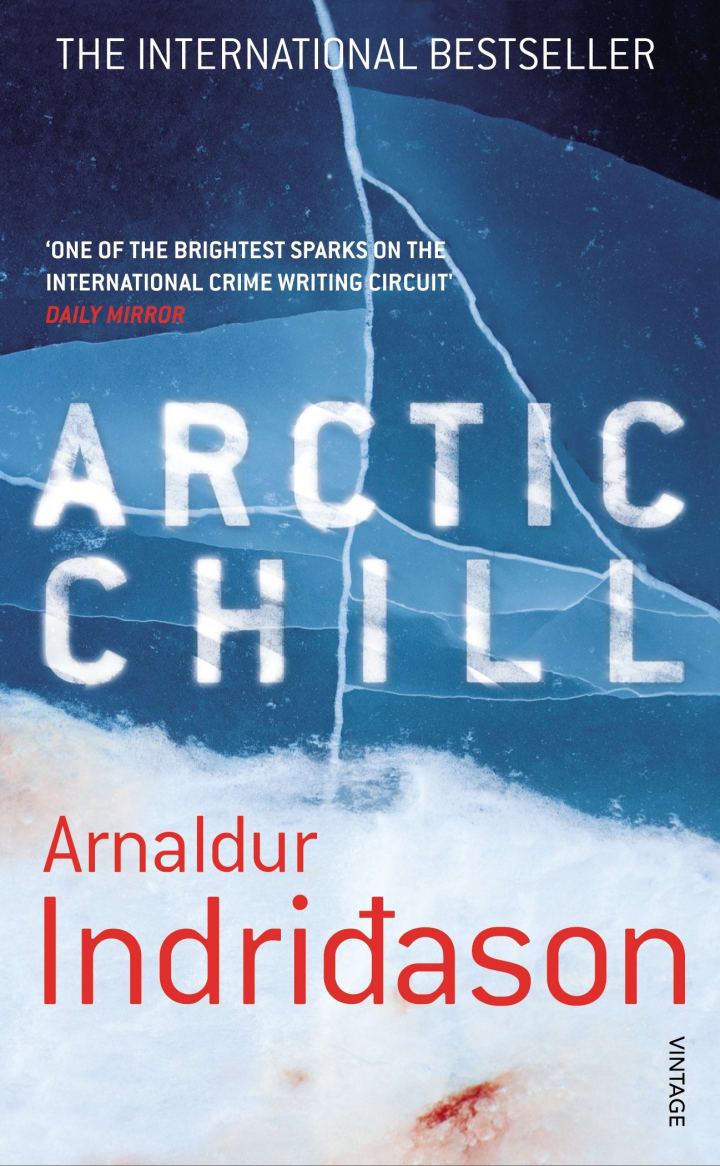
This book is the next one in the series I'm reading and concerns a Thai child who turns up dead in the snow after being stabbed to death. Looking like a racially motivated murder, it seems odd that there would be a giant stab wound that killed him and the investigator needs to act fast so that the family can have closure and the other brother doesn't turn up dead as well, as the mother is incredibly concerned. This one really picks up the series and I'm very excited for the next one.
647. The Kremlin Ball by Curzio Malaparte
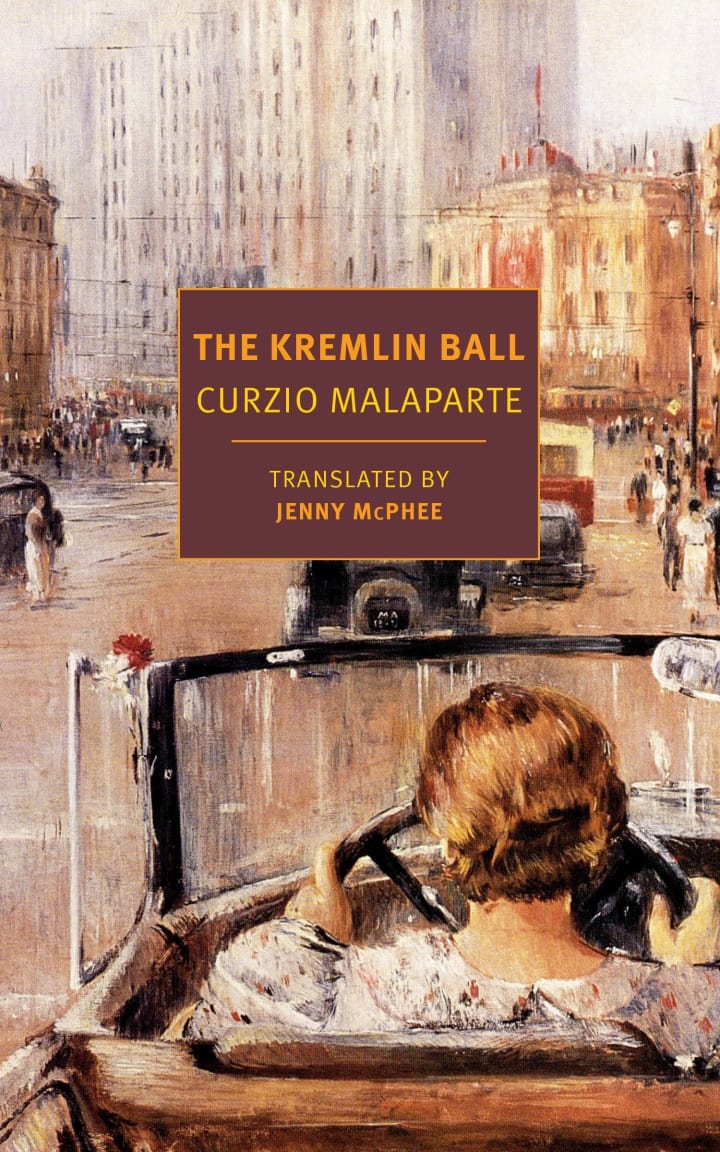
This book was absolutely amazing. When I was reading it, I really felt the world of post-revolution Russia and I smelt the air of the Kremlin. One part I enjoyed the most was the part where the narrator visits the Tolstoy museum and goes to the newly built room of the train station where Tolstoy died and he describes Tolstoy waiting for the 'final train'. There are many allusions to Russian Literature and the book relates to loneliness, the fall of the aristocracy and the various cracks in Stalin's rule. When he visits the crypt of Lenin, everything seems to fit together in a massive metaphor.
648. The Secret History by Procopius
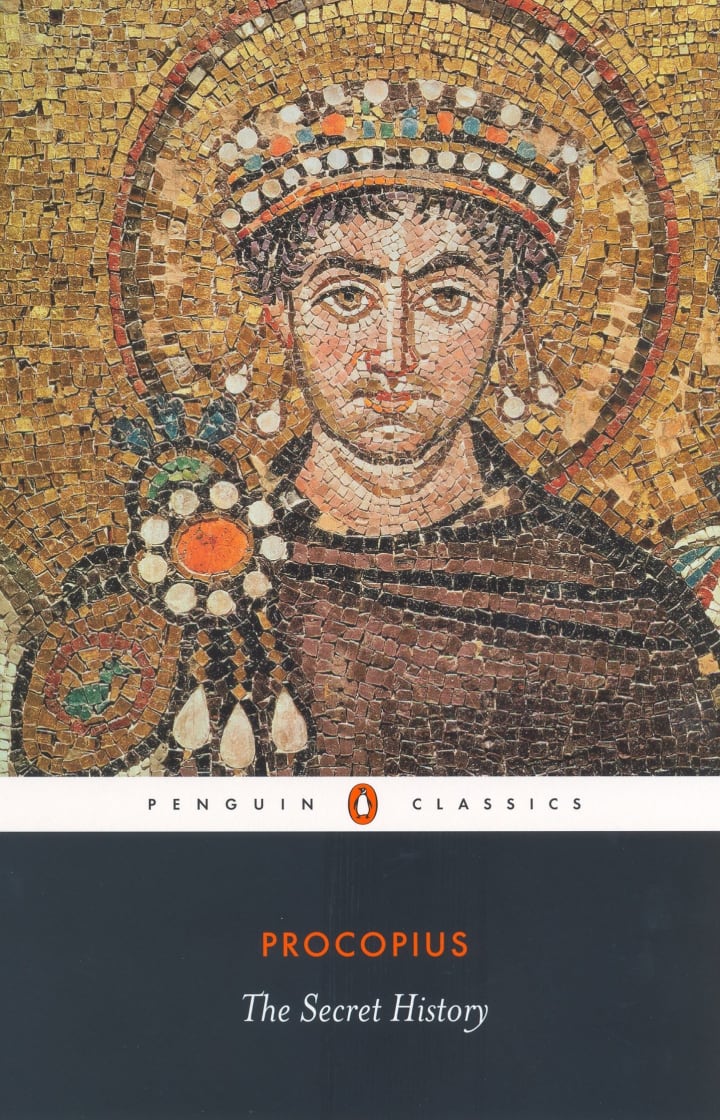
This book is about the Byzantine and Roman Empires and honestly, it is a lot more detailed than other things I've read on the reign of Justinian and Theodora. In Part 1, it explains Count Belasarius and how he meets his end and why Antonina is partially to blame. Then it moves on the Justinian, Theodora and the plague that Justinian himself gets and recovers from. After this, we get an explanation of the regimes of these empires and how and why they worked and survived for as long as they did.
649. Hypothermia by Arnaldur Indriðason
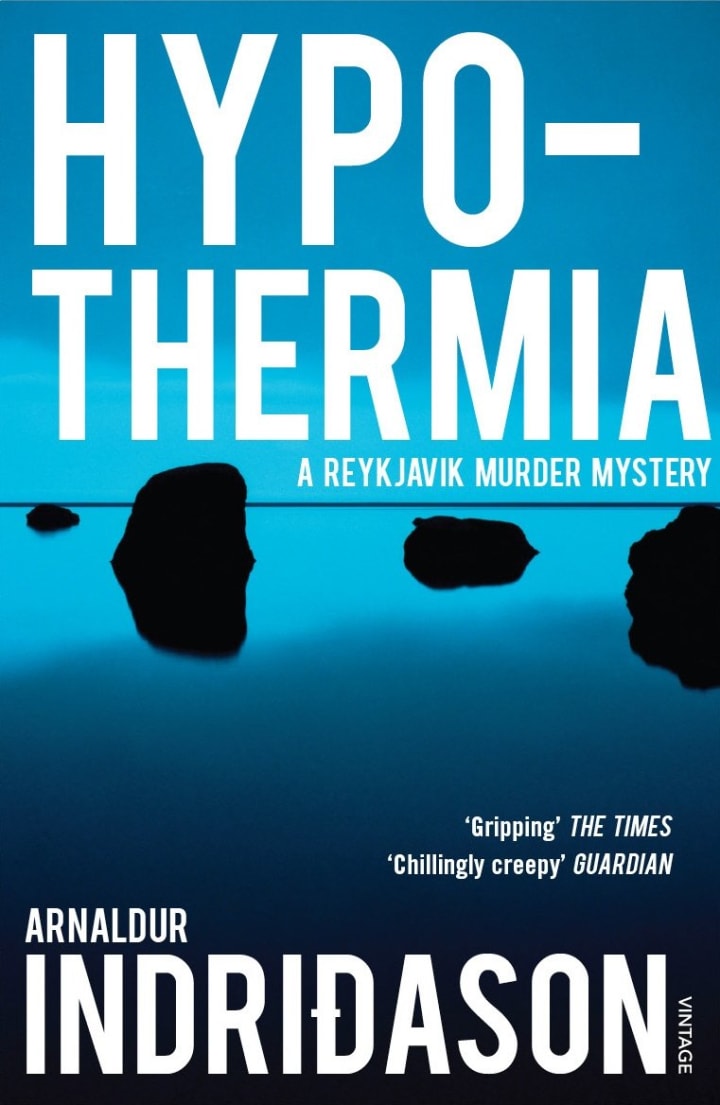
This book is the next book in the series I'm reading and it's about a woman called Maria who is found hanging by her neck in apparent suicide. When the investigators get involved, there is a clear suggestion of the supernatural by a medium she visited for a seance in the days before she died. It is revealed that her father died a long time before from drowning and that her mother's recent death had a massive impact on her - and very negatively. From talking from everyone from priests to mediums. from friends and family - it is found out that maybe Maria didn't commit suicide at all.
650. Mother by Maxim Gorky
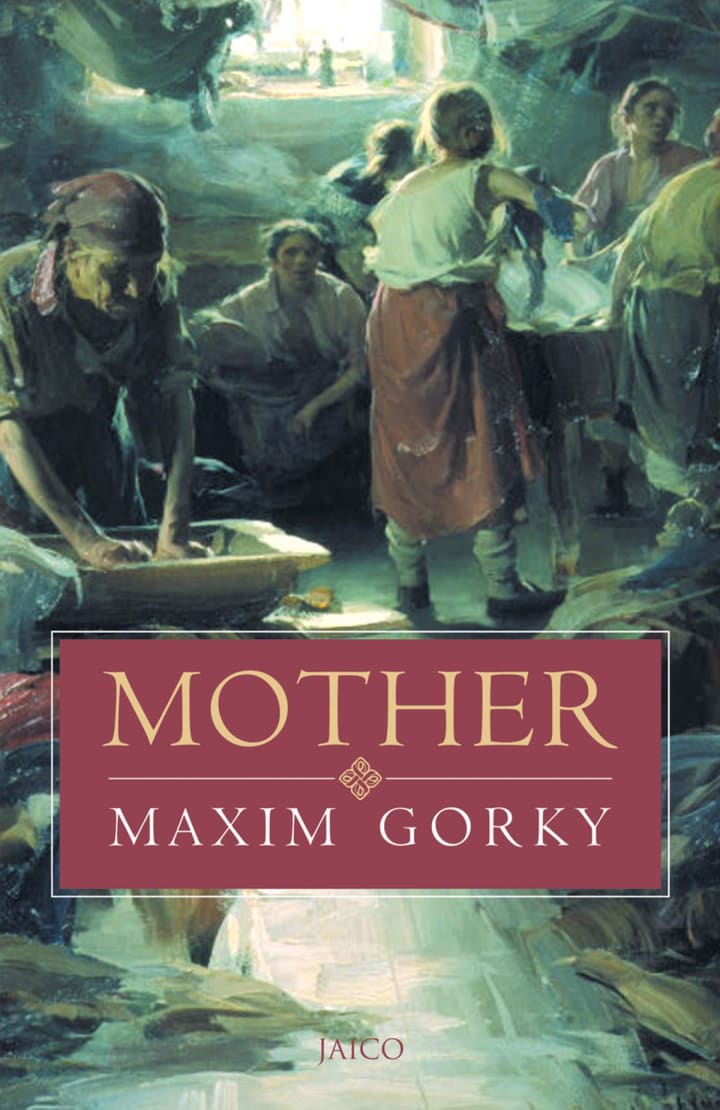
This book is about a man who experiences his mother getting abuse from his father. When his father dies, he swears to protect his mother who works her whole life at a factory. In the midst of revolution, he joins in and always states that he is doing this for his mother. Through absolute turmoil and through tragedy, this man grows up believing that he can change things and he can make things better for his mother and her well-being. It's a brilliant book about one man who strives to risk everything for the woman who gave birth to him and then spent her time doing nothing but suffering.
651. Dostoevsky: A Collection of Critical Essays by Rene Wellek
I had a bit of a read through some of the older papers I had used in the past concerning my research on Dostoevsky, purely for the sake of the read-along. My article on the read-along itself will come out in August and I want to make sure that I have given as much as I can to further reading without giving away any spoilers. There are various essays of interest in here concerning Dostoevsky on language, religion and even the theory of doppelgängers. It has been very insightful over the past few years and often, I like to return to it when re-reading "The Brothers Karamazov" (and I often do!)
652. Outrage by Arnaldur Indriðason
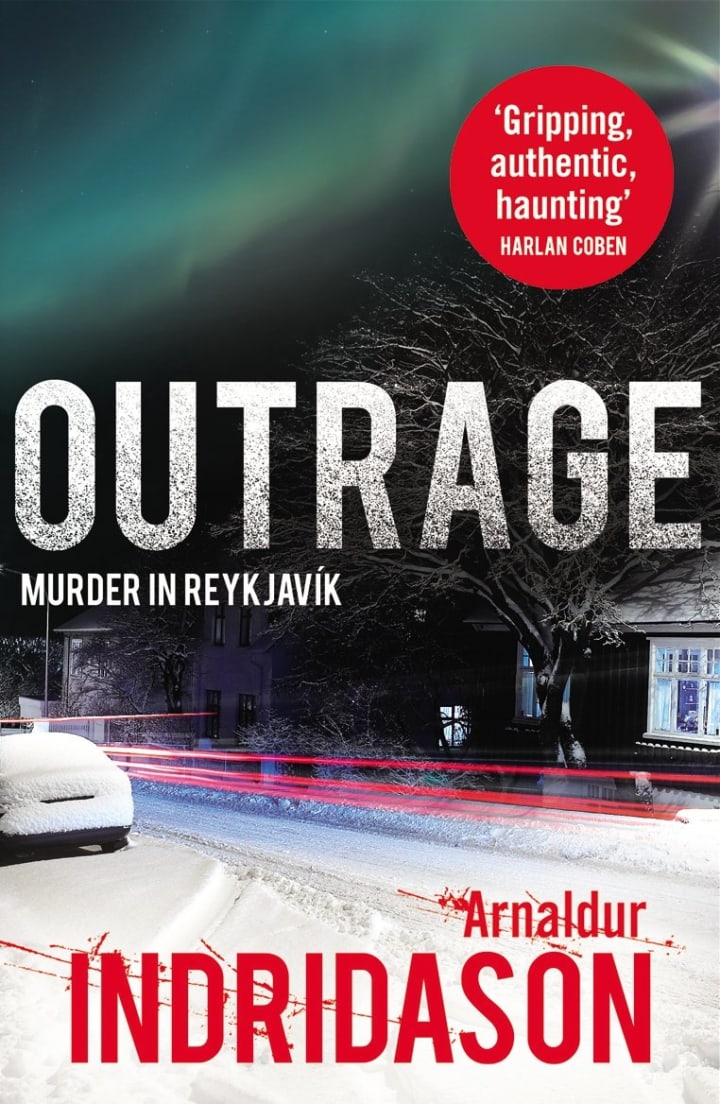
This book is about a man who is found dead in a pool of his own blood and the date-rape drug is on him. It takes the investigators six years back in time, through many different families, friends and employers, across two cities and through a double life of the man in question to find out what happened to him, why and whether this is justice served to a rapist or whether it was a completely different situation to what they were initially thinking. As a part of the series I'm reading, this has to be one of my favourites in the entire book chronology.
653. Known and Strange Things by Teju Cole
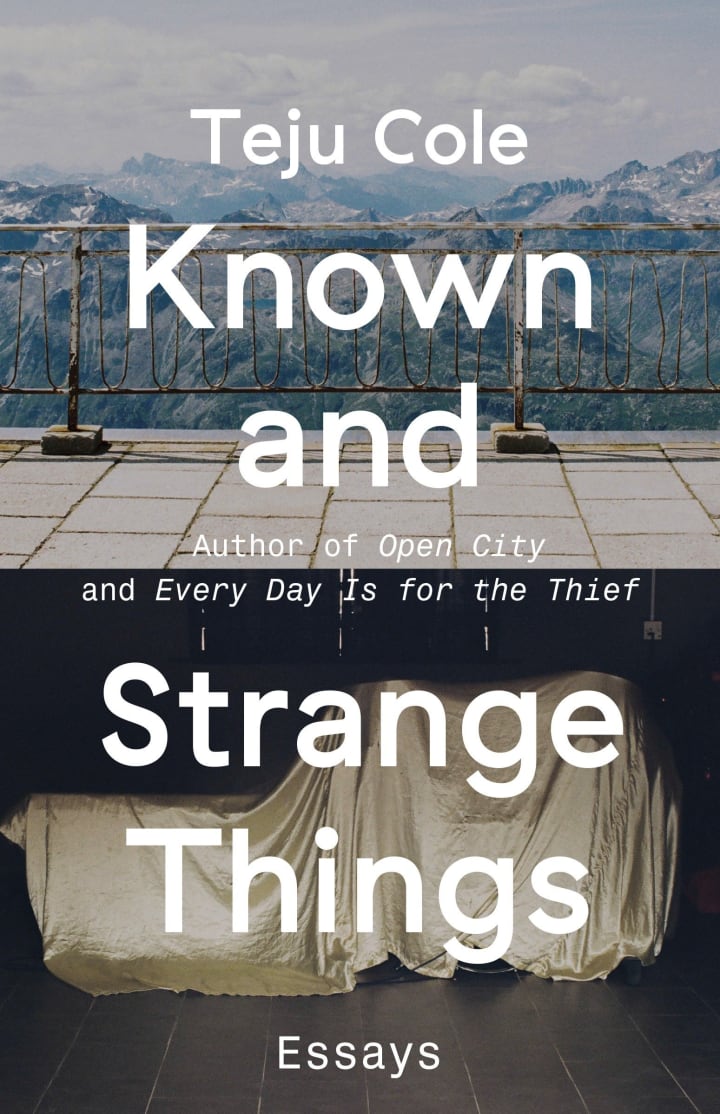
This book was absolutely amazing because of the fact it covered so many different things. For starters, it covers the race argument and there is a lot of mention of the arguments of James Baldwin, which I obviously enjoyed. The next part covers a conversation that the writer of this book had with VS Naipaul and how he initially agrees with him but then ends up disagreeing with him. Throughout the book, we go through various artistic matters, cultural arguments and even differences we didn't know existed, but the idea of the book is to give us an insight into this biographical racial post-modernism that I think Teju Cole does better than anyone else.
654. Pensées by Blaise Pascal
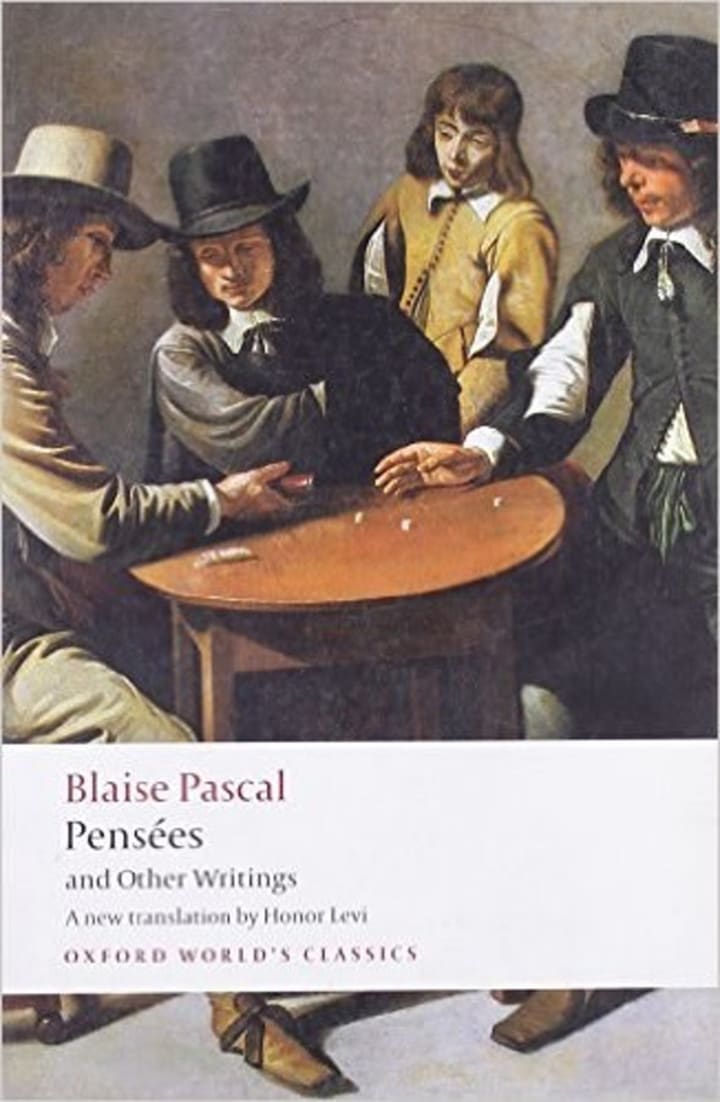
This is a book I was writing an article about (so watch for my article) and to my surprise, it was all about the philosophy of Catholic Theology. It deals with man and his search for happiness, justice, meaning and legacy and asks about whether this is possible without faith. This is the book where Pascal's famous paradox comes from about whether morality is just and good if done with faith because of the expectation of reward or whether morality is more just without faith since there is no expectation of reward from a higher power.
655. Melville: A Novel by Jean Giono
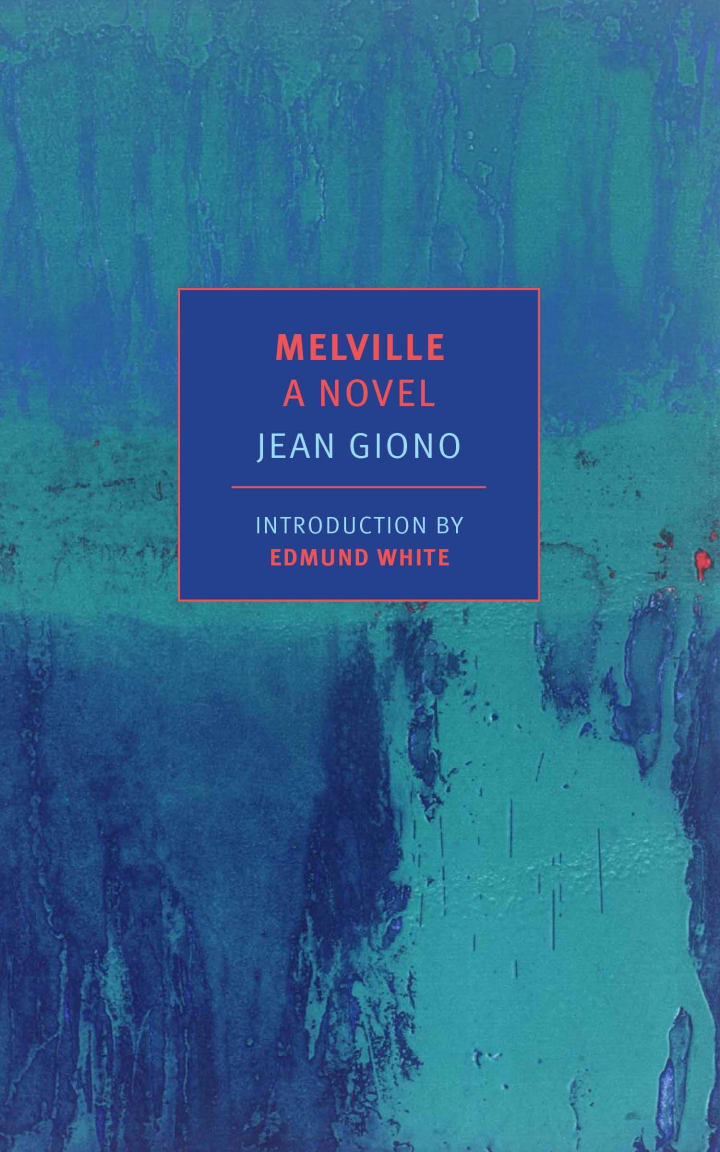
This book deals with the time between when Herman Melville takes to his "London Years" to when he returns to America. The text isn't factual at all and actually begins with Herman Melville returning home with a severed head in his baggage. It is satirical, weird and at times it can be relatively horrifying but the descriptions of Melville's experience of the world around him is brilliantly written - it's classic Giono and it's also Giono at his best.
656. Black Skies by Arnaldur Indriðason
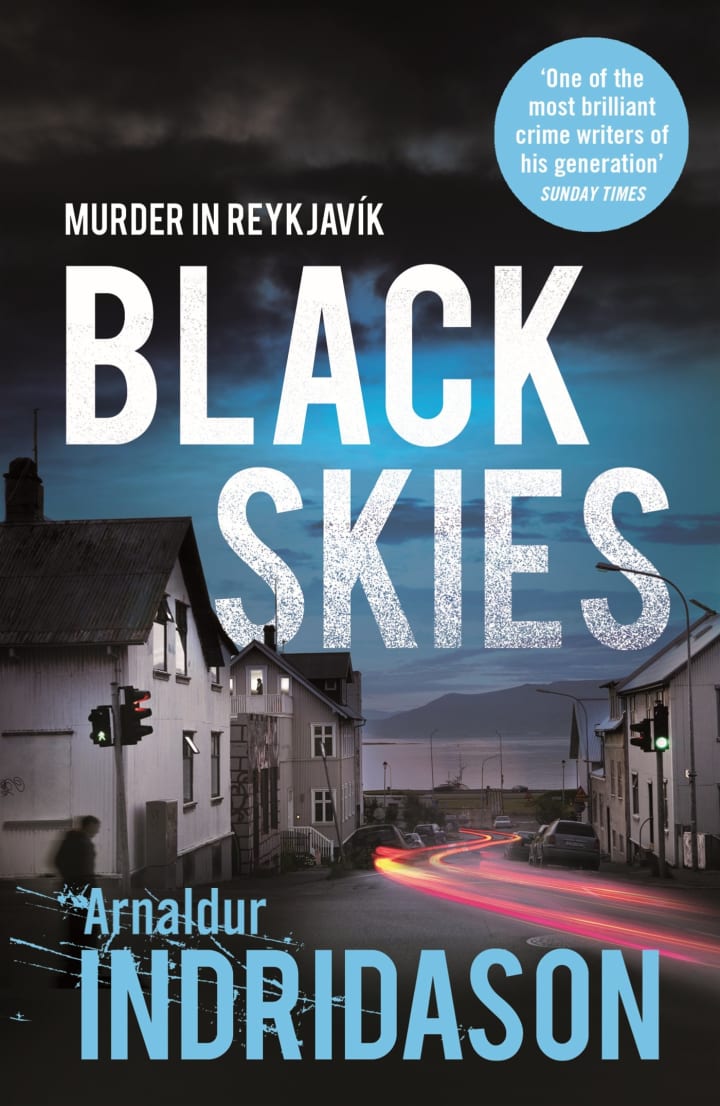
This is the next one in the series I'm reading and is probably the weakest one so far. It centres around the main character's sidekick and how he solves a case on his own. Contrary to the one before this where the character investigating the crime was different but engaging and often even reminded us of the original character, this investigator of this particular book lacks interesting traits that they have, I felt like I wasn't being engaged and was constantly on the outside. I just didn't like the investigator of this one, he doesn't have enough personality to carry the novel on his own.
657. Strange Shores by Arnaldur Indriðason
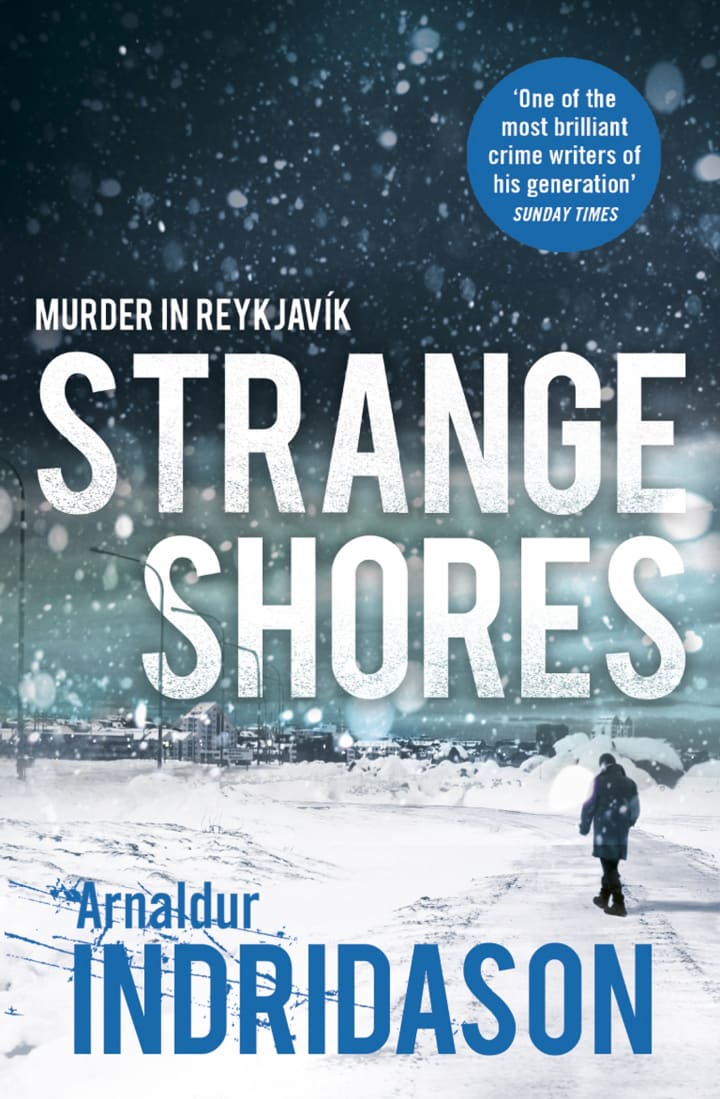
This one was far better and was the next one in the series I'm reading. It returns to the main character and deals with the time he's had off in the Fjords investigating a crime that happened back in 1942 when a woman went missing in a storm during the war, never to be seen again. When it is said that she was murdered, the investigator goes through her history and anyone who remembers her or anything about her - finding a man called Ezra and another called Jakob may tie up the loose ends.
658. The Glass Bees by Ernst Junger
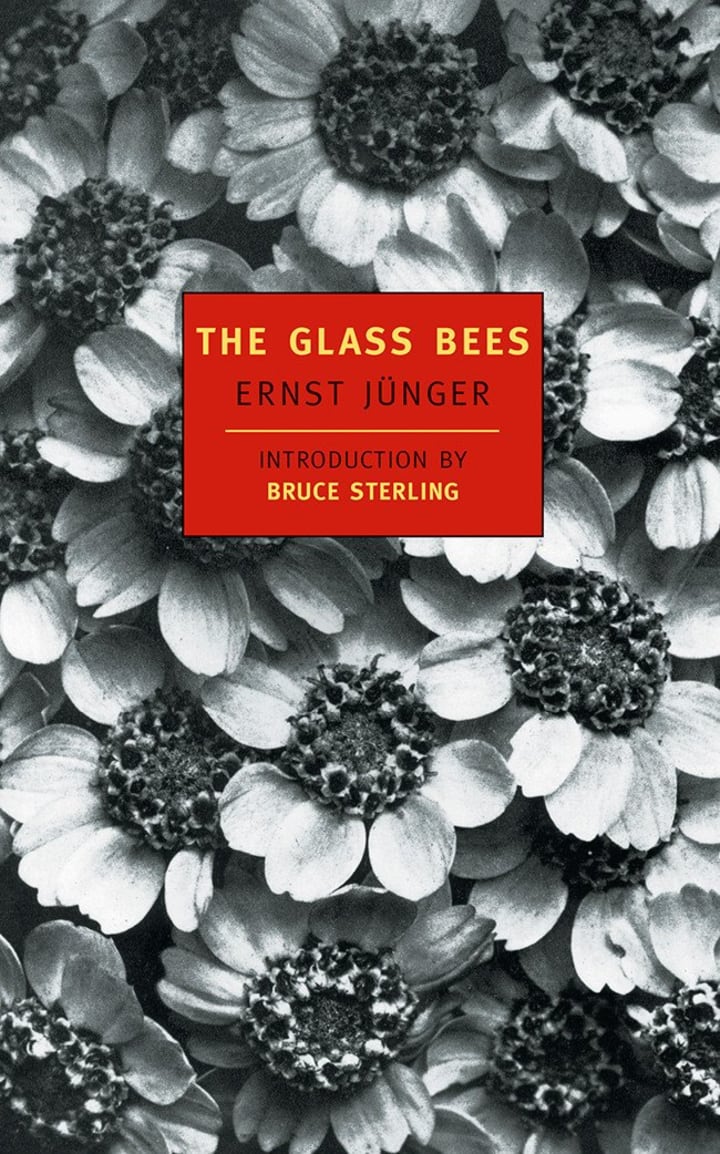
This dystopian book only proves that businessmen want world domination and power. The book covers a man called Zapparoni who is a wealthy, powerful business leader and a man he hires called Richard, as a security guard. Richard can't even imagine the lengths that Zapparoni will go to to get power and dominate the globe. A prophetic message that echoes the works of Orwell, Huxley and many more who have written on the dystopian and philosophical, this was an amazing book that I was thoroughly frightened of.
659. The Poems by Propertius
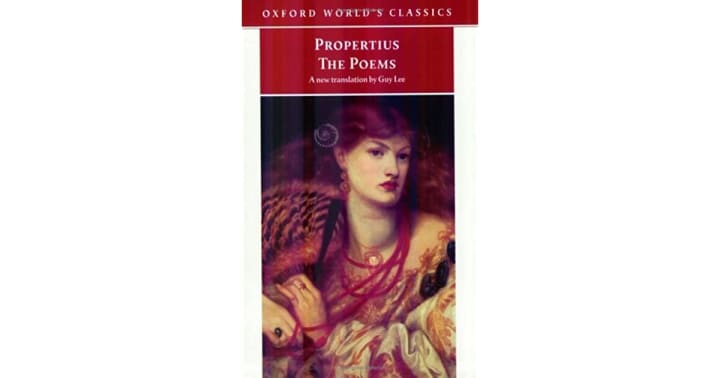
This was a book I read in order to write an article about (which is coming out soon!) and even though I've read one or two poems by Propertius before, I've never read a whole anthology of his writings. It's an entirely different experience. I read the Cynthia poems first and honestly, the relationship is a turbulent mess of love, death and graphic imagery about suicide, threatening behaviour and more than often, obsession and passion. Propertius is a master of language and honestly, if you love romantic poetry, you cannot miss out on this short but sweet anthology of brilliantly written, intensely heartfelt writing.
660. The Captain’s Daughter by Alexander Pushkin
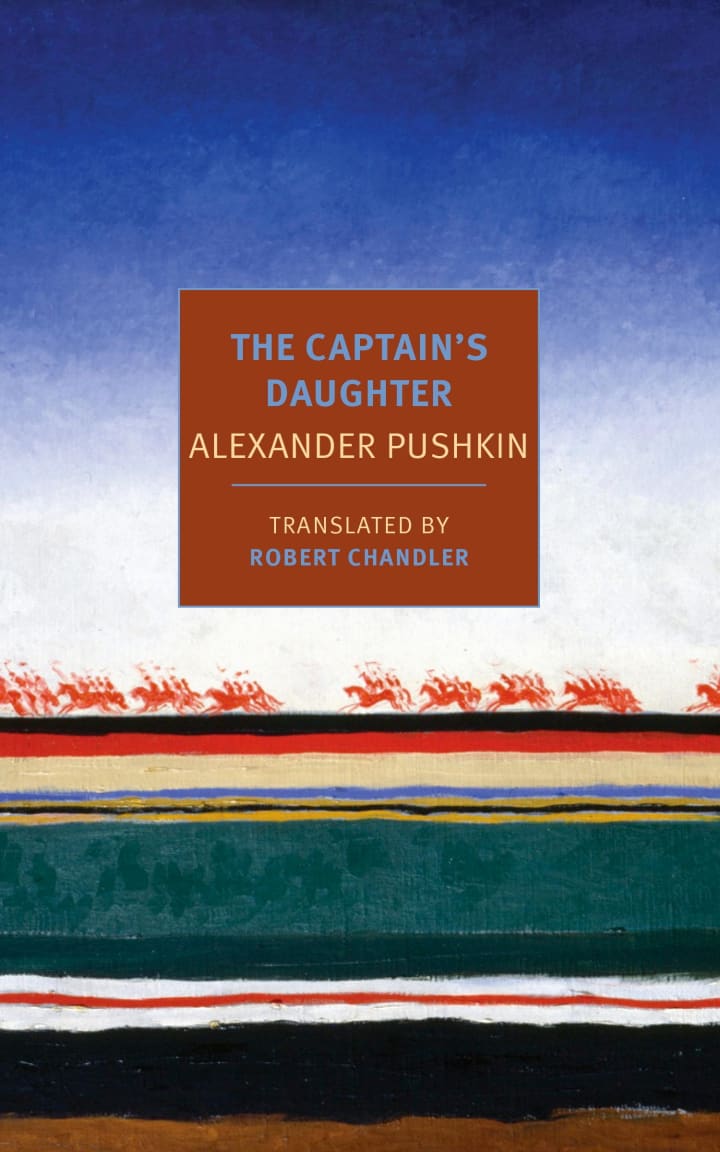
An amazing book about the era of Catherine the Great, Pushkin outdoes other short novel writers once more with this tale of war, betrayal, love and passion. He blends genres and mixes philosophies to give us a concise but intense experience of what is an early war novel. The writing of the text is amazing, it is raw and coarse whilst also using beautiful philosophical language. I thoroughly enjoyed this way more than I thought I would.
About the Creator
Annie Kapur
I am:
🙋🏽♀️ Annie
📚 Avid Reader
📝 Reviewer and Commentator
🎓 Post-Grad Millennial (M.A)
***
I have:
📖 300K+ reads on Vocal
🫶🏼 Love for reading & research
🦋/X @AnnieWithBooks
***
🏡 UK
Keep reading
More stories from Annie Kapur and writers in Geeks and other communities.
20 Books of 2020 (Pt.32)
Well, we're underway into the 600s now and I can honestly say that it has been a great ride, but we're not stopping here! In this article introduction, I want to talk shortly about reading books and reading kindle books/ebooks etc. and the way in which we see differences between them.
By Annie Kapur6 years ago in Geeks
Sandshrew Uncovered: The Underground Pokémon That Burrows Its Way to Victory
Sandshrew is one of the most fascinating and strategically valuable Pokémon in the franchise. Despite its modest size and unassuming appearance, this Ground-type Pokémon possesses agility, resilience, and a unique ability to control the battlefield through burrowing and tactical attacks. Sandshrew teaches trainers that size and outward appearances are not the sole indicators of potential, highlighting the importance of strategy, persistence, and careful development.
By Lukáš Hrdlička2 days ago in Geeks


Comments
There are no comments for this story
Be the first to respond and start the conversation.